
Last updated November 15, 2026
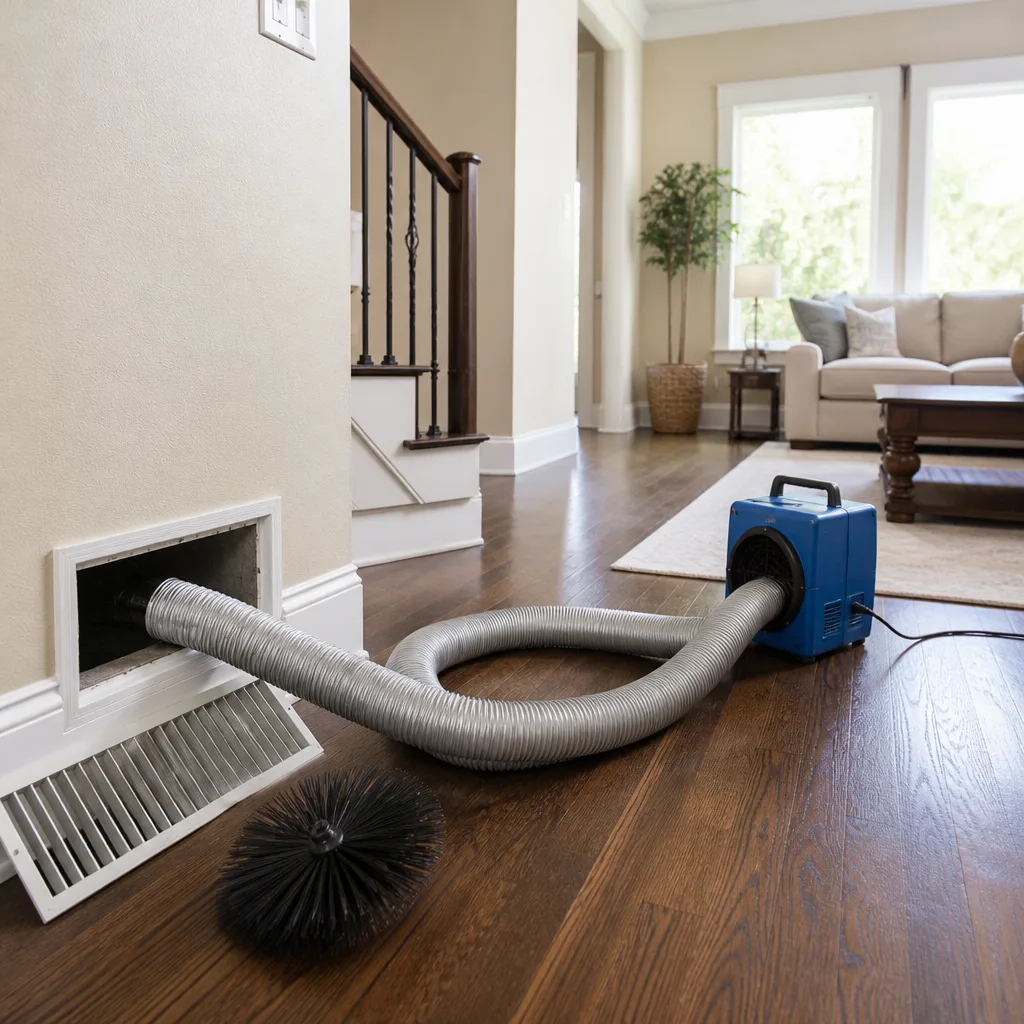 Whole-home duct cleaning
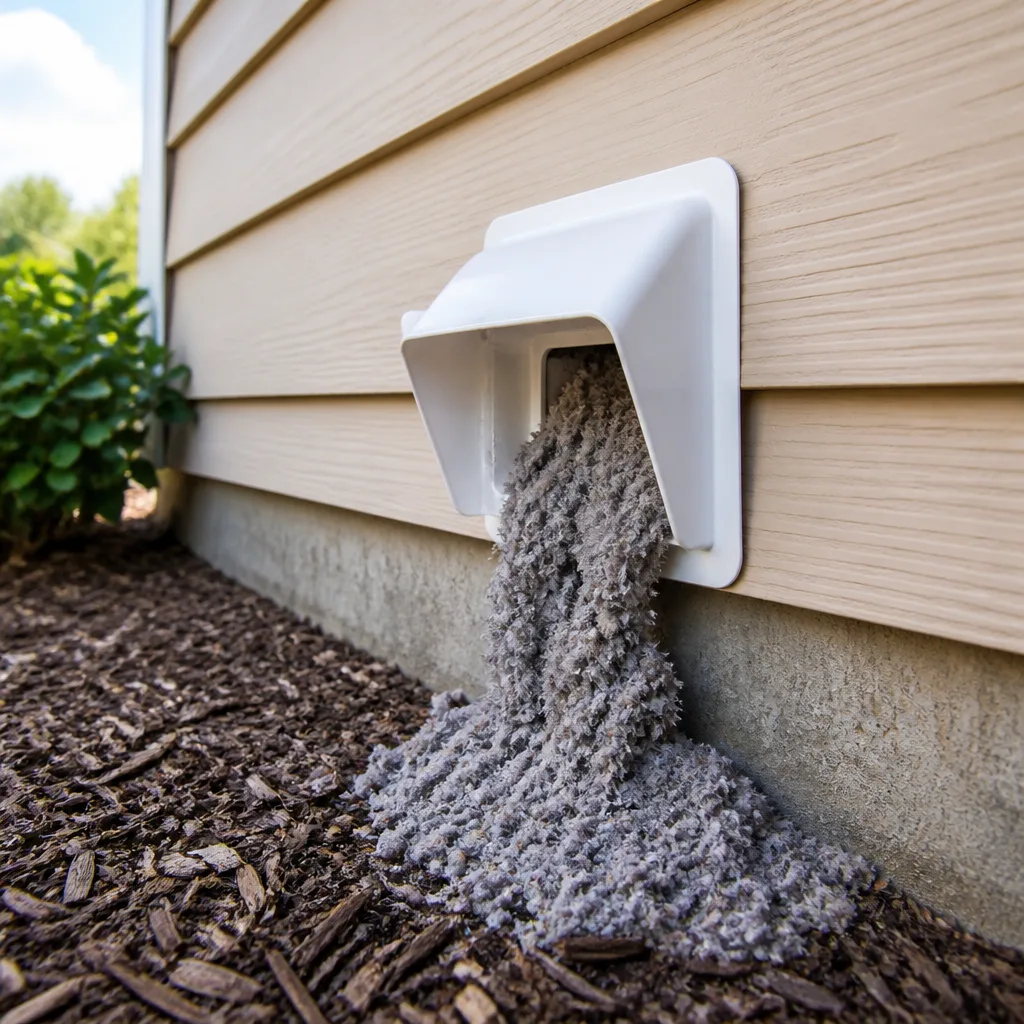 Dryer vent cleaning
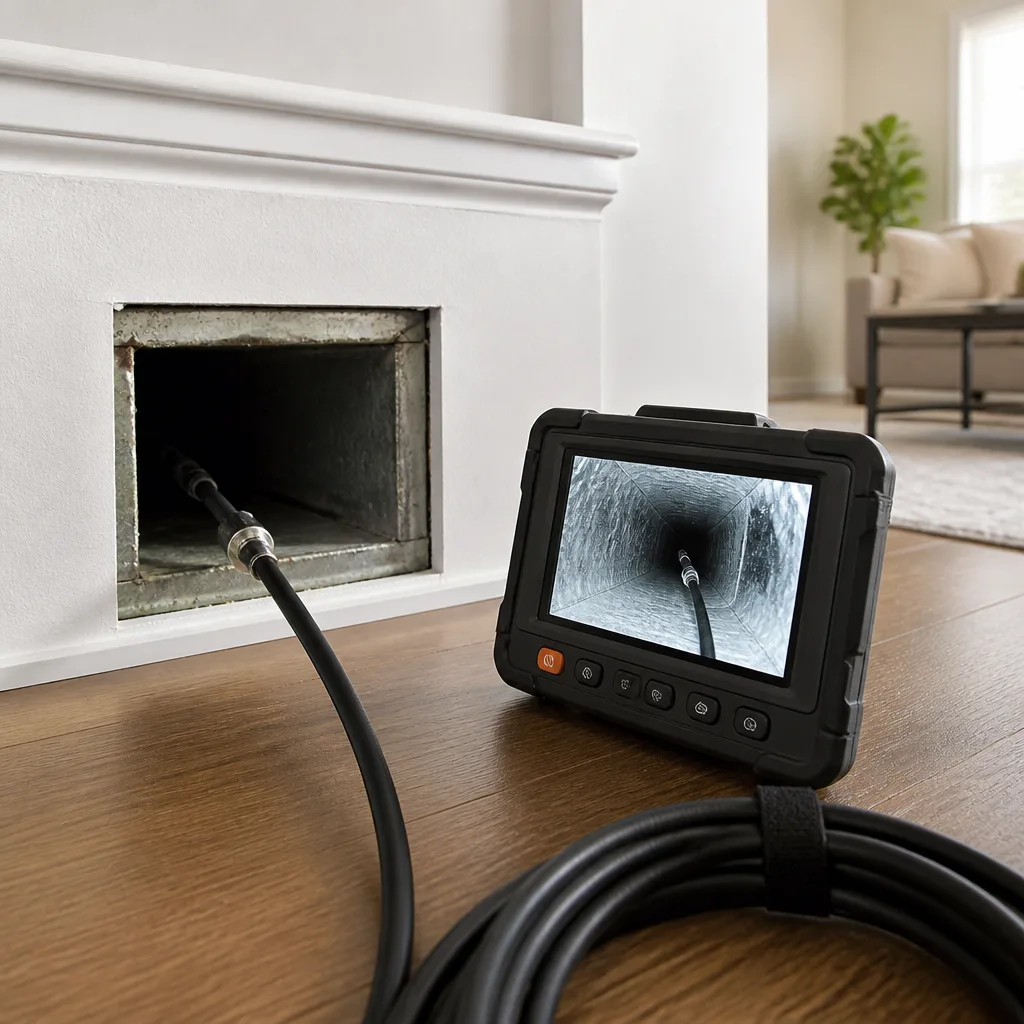 Camera inspection
 Sanitizing & deodorizing
Whole-system duct and dryer vent check with before-and-after photos - you see exactly what came out of your vents
That "$99 whole-house special" is a bait ad - the real number appears once they are in your hallway, or the "clean" is a shop-vac at the register. We photograph the inside of your ducts before and after instead.
Air Duct Cleaning Troubleshooting in Vallejo: Common Problems and How to Fix Them
If your ducts were cleaned six months ago and dust is already settling on the supply registers again, the cleaning itself probably didn’t fail. More often, a duct system in a Vallejo home has a breach somewhere upstream – a disconnected joint, a torn flex run over a crawl space, a boot that pulled loose from the subfloor – and the system has been pulling attic or crawl space air into your living space ever since. Cleaning removes what’s in the ducts; it can’t close a hole the ducts didn’t have before. This guide is built to help you read your own symptoms the way a technician does: which problems cleaning actually solves, which ones need duct repair first, and how to tell the difference before you spend money on the wrong service. We’ll walk through the tests you can run yourself, the smells that mean specific things, and the airflow patterns that point at a broken trunk line rather than a dirty register.
Quick Answer
Most air duct cleaning problems in Vallejo come down to three root causes: a breach in the duct system pulling in unconditioned air, biological growth on duct surfaces from sustained moisture, or a mechanical failure like a disconnected trunk or collapsed flex run. Cleaning resolves the first only if the system is sealed. If dust returns quickly, a room never warms properly, or a musty smell shows up after a cleaning, the problem is structural and needs duct repair, not another cleaning pass. Diagnose the symptom first, then decide.
Styles & brands we work with
- Whole-home duct cleaning
- Dryer vent cleaning
- Camera inspection
- Sanitizing & deodorizing
Table of Contents
- How to Triage a Duct Problem Like a Technician
- The Cardboard-and-Register Test: Cleaning Problem vs. Sealing Failure
- What Musty Smells After Cleaning Actually Mean
- Why Vallejo Humidity Is Hard on Flex Duct Systems
- Uneven Room Temperatures: Disconnected Trunks, Not Dirty Registers
- Symptoms Cleaning Fixes vs. Symptoms That Need Repair First
- What You Can Check Yourself and Where to Stop
- Common Mistakes to Avoid
- When to Call a Professional
- Frequently Asked Questions
How to Triage a Duct Problem Like a Technician
A technician doesn’t start by pulling out equipment. They start by asking what you’re noticing and where, then working backward to a cause. You can do the same thing at home in about fifteen minutes with nothing but your hands, a flashlight, and a piece of cardboard. The goal isn’t to fix anything yet – it’s to sort the problem into one of three buckets so you know what kind of help you actually need.
Bucket one: contamination. The ducts are dirty, the system is intact, and cleaning will solve it. Symptoms here are steady dust accumulation, visible debris at the registers, and a system that’s never been cleaned or hasn’t been cleaned in many years.
Bucket two: breach. The ducts are dirty because the system is open to an unconditioned space. Dust returns fast, rooms near the breach are dustier, and airflow at some registers feels weak or reversed. Cleaning alone won’t hold; the breach has to be repaired.
Bucket three: mechanical or moisture. A trunk line has separated, a flex run has collapsed or torn, or moisture has fed microbial growth on the liner. These are the cases where cleaning before repair is wasted money, and in the moisture case it can make things worse by disturbing growth without addressing the source.
Here’s the order we suggest for triaging any duct complaint in a Vallejo home:
- Write down the symptom in plain terms: what you see, what you smell, which rooms are affected.
- Check each affected room’s register for airflow with your hand – strong, weak, or nothing.
- Look at the vent grille with a flashlight for dust patterns, dark staining, or debris.
- Run the cardboard test described in the next section on the registers with weak flow.
- Note whether a smell is present only when the system runs or all the time.
- If you find weak flow, a reversed register, or a persistent smell, that’s your signal to call.
One note on reading symptoms: a single dusty register in a house where every other register is clean usually means something local, like a grille that hasn’t been wiped or a boot that’s leaking right at that spot. Dust across every register in the house is more likely a system-wide issue. That distinction alone saves a lot of guesswork.
The Cardboard-and-Register Test: Cleaning Problem vs. Sealing Failure
This is the single most useful test a homeowner can run, and it requires no tools. Cut a piece of cardboard roughly the size of the register face. Hold it flat against the supply register while the system is running and watch what happens. The behavior of that cardboard tells you whether the duct serving that register is holding pressure or leaking it away before the air ever reaches the room.
Here’s how to read what you see:
- Cardboard pulls tight against the register and stays: the run is delivering air as designed. If this room is still dusty, the cause is dirt in the system or a dirty grille, not a breach.
- Cardboard sags, flutters, or falls within a few seconds: the run is starved of air. Weak flow at a supply register with the blower running points at a disconnected trunk, a torn flex run, or a crushed section upstream.
- Cardboard is pushed away from the register: air is coming out of a return or a mislabeled register, which means the system is out of balance or a run is cross-connected. That’s a mechanical problem.
- No pull at all when the system is clearly running: almost always a fully disconnected branch line or a damper closed somewhere you can’t see.
Run this test at every register in the house, not just the one you’re worried about, and note the results. A pattern of strong flow in the rooms closest to the air handler and weak flow in the rooms farthest away is a classic sign of a leaking trunk line – the air escapes into the attic or crawl space before it reaches the end of the run. That’s structural. No amount of cleaning will restore airflow to those rooms.
A pattern of weak flow in one isolated room while everything else is fine points at a single branch problem, which is often a cheaper repair than people expect. Either way, the test tells you whether cleaning belongs in the answer.
What Musty Smells After Cleaning Actually Mean
A musty smell that appears after a duct cleaning, or that never went away after one, is a specific diagnostic signal, not a general complaint. It means something is releasing volatile compounds into the air stream, and where that something sits determines the fix. There are three common culprits, and they require three different responses.
Mold or biological growth upstream
Growth on duct surfaces upstream of the registers is the most common source. It takes hold when moisture is available long enough for spores to colonize – a supply line that runs through a humid unconditioned space, a run with poor insulation on the exterior, or a system that’s been exposed to water intrusion. Cleaning can remove surface growth, but if the moisture source remains, growth returns. In our experience, this is the case where a cleaning alone gets you a few months of relief and then the smell comes back. Abatement Technologies equipment exists for exactly this kind of higher-stakes air quality situation, and finding the moisture before cleaning is what separates a real fix from a repeat visit.
Condensate pan or drain
The air handler’s condensate pan sits below the cooling coil and collects water as part of normal operation. If the pan doesn’t drain fully or the drain line clogs, standing water becomes a biological reservoir. The smell then travels into the ducts with the air supply. This is an air-conditioning issue, not a duct issue – cleaning the ducts won’t clear it because the source is the pan. A technician should identify this before any duct work is scheduled.
Duct liner degradation
Some older duct systems are lined internally with an acoustic or insulating material. Over time, especially in humid conditions, that liner can break down, absorb moisture, and start emitting a musty odor as the binder ages. Liner degradation is a repair problem. Cleaning may dislodge loose material and make the smell temporarily worse. This is one reason we check liner condition before we clean, not after.
The practical takeaway: a musty smell is a “find the source first” problem. Rotobrush and Nikro equipment clean a system exceptionally well, but no machine fixes a wet condensate pan or a degrading liner. Diagnosis comes first.
Why Vallejo Humidity Is Hard on Flex Duct Systems
Vallejo sits where the Bay Area’s marine layer meets the inland heat of Solano County, and that combination produces a specific moisture pattern: cool, humid air most mornings, warmer and drier afternoons, and a long stretch of the year where the differential repeats daily. Homes here often run their heating and cooling systems less than homeowners in harsher climates expect, which means ducts sit idle for stretches with whatever moisture has already condensed inside them. Idle ducts plus humidity is a formula for microbial growth.
Flex duct – the flexible, insulated, corrugated duct common in older Solano County homes and additions – has a specific vulnerability in this climate. Its inner liner is a thin plastic membrane over a wire helix, and the corrugations trap a small amount of moisture against the liner where air movement is slowest. Add a small tear or a poorly sealed joint and that moisture has a path to the insulation around the liner, which stays wet far longer than the liner itself. Once insulation is saturated, it stops insulating, which makes the duct run colder, which makes more condensation form. It’s a cycle that feeds itself.
What this means for troubleshooting in Vallejo:
- Flex runs over unconditioned space are the first place to look for moisture damage, not the last.
- A musty smell that appears only in humid months points at a moisture-fed problem, not a dirt problem.
- Visible condensation or staining at a flex duct joint is a repair signal that shouldn’t wait for a cleaning.
- Homes in the older parts of town with original or partially replaced duct systems are likelier to have flex runs with degraded insulation.
None of this means flex duct is bad. It means flex duct in a humid, mild climate needs its joints and liner checked, not just its interior cleaned. That check is part of what separates a thorough job from a quick one.
Uneven Room Temperatures: Disconnected Trunks, Not Dirty Registers
When one room in a Vallejo home stays hot in summer or cold in winter regardless of what the thermostat says, the instinct is often to assume the register is clogged or the ducts need cleaning. Sometimes that’s true. More often, the room is starved because a trunk line has separated, a branch run has pulled loose from its boot, or a flex duct has collapsed somewhere in the attic or crawl space. Cleaning restores airflow only if the path is intact. It can’t restore airflow through a break.
Here’s how to confirm where the problem sits before you call anyone:
- Test flow at the problem room’s register. Use the cardboard test. Weak or no pull means the run isn’t delivering.
- Test flow at a register near the air handler. If that one is strong, the blower is working and the problem is downstream.
- Listen at the register while the system starts and stops. A whooshing or whistling sound that changes with the blower often indicates a leak or a disconnected joint nearby.
- Look for dust patterns around the register frame. A dark line around the edge of a ceiling grille can mean air is escaping behind the drywall, which points at a boot that’s separated from the subfloor.
- Check for thermal differences. If the register itself feels noticeably cooler or warmer than the room when the system runs, the duct serving it is probably losing conditioned air before the register.
If two or three rooms on the same side of the house are all weak, the trunk line serving them is the suspect. If it’s one room only, the branch run is. Either way, that’s a duct repair call, and it usually needs to happen before cleaning has any point. Running a cleaning on a system with a disconnected trunk means you’re cleaning ducts that aren’t moving the air they’re supposed to. We check for this before scheduling cleaning on any home in Vallejo, because finding it afterward wastes the homeowner’s money.
Symptoms Cleaning Fixes vs. Symptoms That Need Repair First
The most useful skill in duct troubleshooting is recognizing which bucket a symptom falls into before you spend anything. Here’s a side-by-side breakdown based on what we see in Vallejo homes.
Symptoms cleaning resolves
- Visible dust or debris accumulation at the registers with strong, consistent airflow
- A dusty house with no other symptoms and a system that hasn’t been cleaned in years
- Construction or renovation debris left in the ductwork
- A light musty odor that clears once surface contamination is removed and the moisture source is confirmed absent
- Dust on the supply registers that reappears slowly over months rather than days
Symptoms that need repair first
- Dust back on registers within weeks of a cleaning
- Weak or absent airflow at one or more registers with the blower running
- Rooms that never reach temperature regardless of thermostat setting
- A musty smell tied to the condensate pan or to degrading duct liner
- Visible tears, disconnected joints, or crushed flex runs
- Staining or condensation at duct joints or on the insulation
Symptoms that need HVAC service before cleaning
A few things look like duct problems but aren’t. A system that won’t start, a blower that runs constantly or not at all, or a cooling coil that ices over are all HVAC issues. Cleaning the ducts won’t fix any of them, and a good technician says so rather than booking a cleaning anyway. If the symptom is mechanical, the mechanical problem gets resolved first.
What You Can Check Yourself and Where to Stop
Homeowners can do more diagnosis than they usually realize, and they should. The more you can tell a technician about what you’ve already observed, the faster the fix goes. Here’s the line between useful checking and dangerous checking.
Safe to check yourself
- Airflow at every register using the cardboard test
- Visible dust and staining on the register grilles
- Whether a smell is present with the system running or only at rest
- Whether the filter is clean and correctly seated
- Whether the condensate pan visibly holds water (looking, not reaching)
- Whether any accessible duct run in a garage or crawl space shows a visible tear
Stop and call a professional
- Opening the air handler cabinet. The blower and electrical components inside are dangerous, and a mistake there is a shock hazard. This is not a homeowner task.
- Working around the condensate pan and drain line. These are safe to inspect visually, but disassembly and clearing belong to a technician.
- Crawling into a confined attic or crawl space. This is a physical and breathing hazard in a space that’s often hot, cramped, and poorly lit.
- Cutting into ducts or drywall to access a suspected breach. Repair work on duct systems involves sealing and reconnecting components correctly, and a bad DIY seal can create a worse leak than the one you started with.
The point of checking is to build a symptom picture, not to attempt the fix. A homeowner who can say “the two back bedrooms have weak flow and the register near the air handler is strong” has given a technician more useful information than an hour of poking around could, and it usually shortens the service visit considerably.
Common Mistakes to Avoid
- Booking a second cleaning when the first one didn’t hold. If dust returns in weeks, the ducts aren’t the problem. A second cleaning on a system with a breach just moves more air in from the attic or crawl space. Get the breach diagnosed first.
- Assuming all musty smells are duct problems. Condensate pans and degrading duct liner produce identical smells and need entirely different fixes. Treating a pan problem as a duct problem wastes a cleaning and leaves the source running.
- Ignoring weak airflow in one room. A single starved register in a Vallejo home is often a disconnected branch line or a collapsed flex run, both of which are repairable and both of which cleaning cannot touch. Six months of ignoring it usually means the room is uncomfortable all year.
- Using an air filter as a dust solution. A premium filter like the Honeywell and Aprilaire products we work with helps, but it can’t compensate for a leaking duct system. Putting a better filter in an unsealed system just filters a fraction of the air that’s actually circulating.
- Sealing leaks with tape or caulk from a hardware store. Duct sealing requires the right materials for the duct type and the right access to the joint. A poor seal often fails within a season and can separate the run entirely. It’s not a repair.
- Skipping the flex duct inspection. In Vallejo’s humidity, the inside of a flex run can look clean while the insulation around it is saturated and the liner is breaking down. A cleaning without an inspection misses the actual problem.
- Assuming a low quote covers the same work. A price that significantly undercuts the rest almost always reflects less equipment, less inspection, or both. Professional-grade systems take time to run through a house, and that time is part of what you’re paying for.
When to Call a Professional
Call when you’ve run the cardboard test and found weak or reversed flow at any register, when a musty smell persists after a cleaning or appears only in humid months, when dust returns to your registers within a few weeks, or when you can see a tear, disconnected joint, or stained insulation on an accessible duct run. Call before booking a cleaning if you have a room that never reaches temperature or a smell you can’t place. A technician with up to 11 years of experience can usually diagnose the difference between a cleaning problem and a repair problem in one visit. Our team at Duct Cleaning Vallejo runs the diagnosis before we recommend any service, because the right call is often “this needs repair before cleaning” rather than a cleaning appointment.
Duct Cleaning Vallejo offers free estimates in Vallejo. Call (844) 859-6986. We answer 24/7. Fast dispatch, 7am-7pm, Sunday through Friday.
Frequently Asked Questions
Because the duct system has a breach and the cleaning didn’t cause it, the breach did. Dust reappearing within a few weeks of a professional cleaning almost always means the system is drawing air from an attic, crawl space, or wall cavity and depositing debris at the registers. The fix is finding and sealing the breach, then cleaning. Call (844) 859-6986 for an inspection.
It means something upstream is releasing odor into the air stream, and where that something sits determines the fix. The three common causes are biological growth on duct surfaces, a standing-water problem in the condensate pan, or degradation of an internal duct liner. Only the first is a duct cleaning issue; the other two are repair or HVAC service. A technician should identify which before any further work.
Because those rooms are likely being served by a disconnected trunk line, a torn flex run, or a collapsed duct that cleaning can’t restore. Cleaning removes contamination; it can’t restore airflow through a break in the path. The cardboard test at the affected register confirms it quickly – weak or no pull with the blower running points at the duct, not the register. Call (844) 859-6986 to schedule a diagnosis.
It does, particularly in flex duct systems. The mild, humid climate here means ducts sit idle with condensed moisture inside them more often than in drier regions, and flex duct’s corrugated liner traps that moisture where air moves slowly. That’s why a musty smell that appears only in humid months should be treated as a moisture question first, not a cleaning question. An inspection before cleaning tells you which it is.
You can and should run it yourself – it takes fifteen minutes and tells you which kind of problem you have. Hold a piece of cardboard against each register with the system running. Strong pull means the run is delivering; weak, fluttering, or no pull means it isn’t. Use those results to decide whether to book a cleaning or a repair diagnosis. Call (844) 859-6986 with what you find and we’ll tell you which service it points to.
You’ll know by matching your symptoms to the right category. Clean ducts with no breach show strong airflow everywhere, dust that builds slowly, and no smell. Clean ducts with a breach show fast dust return, weak registers, or temperature problems, and those need repair first. If you’re unsure after running the tests, a technician can confirm it in one visit before any cleaning is scheduled. Call (844) 859-6986 for a free estimate.
The Bottom Line
Duct problems in Vallejo almost always fall into one of three categories: contamination that cleaning solves, a breach that needs repair before cleaning, or a moisture or mechanical issue that neither cleaning nor duct repair alone can fix. The cardboard test, a flashlight, and a careful look at where the smell comes from will sort your symptom into the right category in about fifteen minutes. Flex duct in this climate needs its liner and insulation checked, not just its interior cleaned. And when a cleaning doesn’t hold, the answer usually isn’t a second cleaning – it’s a proper diagnosis of the system. Take your home’s steps toward cleaner air with a specialist who can diagnose, clean, and repair in one place. For dryer vent cleaning as well as air duct cleaning, we run professional-grade Rotobrush and Nikro systems rather than improvised tools, and our Guardsman-grade protective products are part of the standard, not an add-on. Our technicians have up to 11 years of experience reading these systems in Vallejo homes, and we’d rather find the real cause on the first visit than book a repeat. Your ducts. Your air.
Written by the team at Duct Cleaning Vallejo.
See the difference
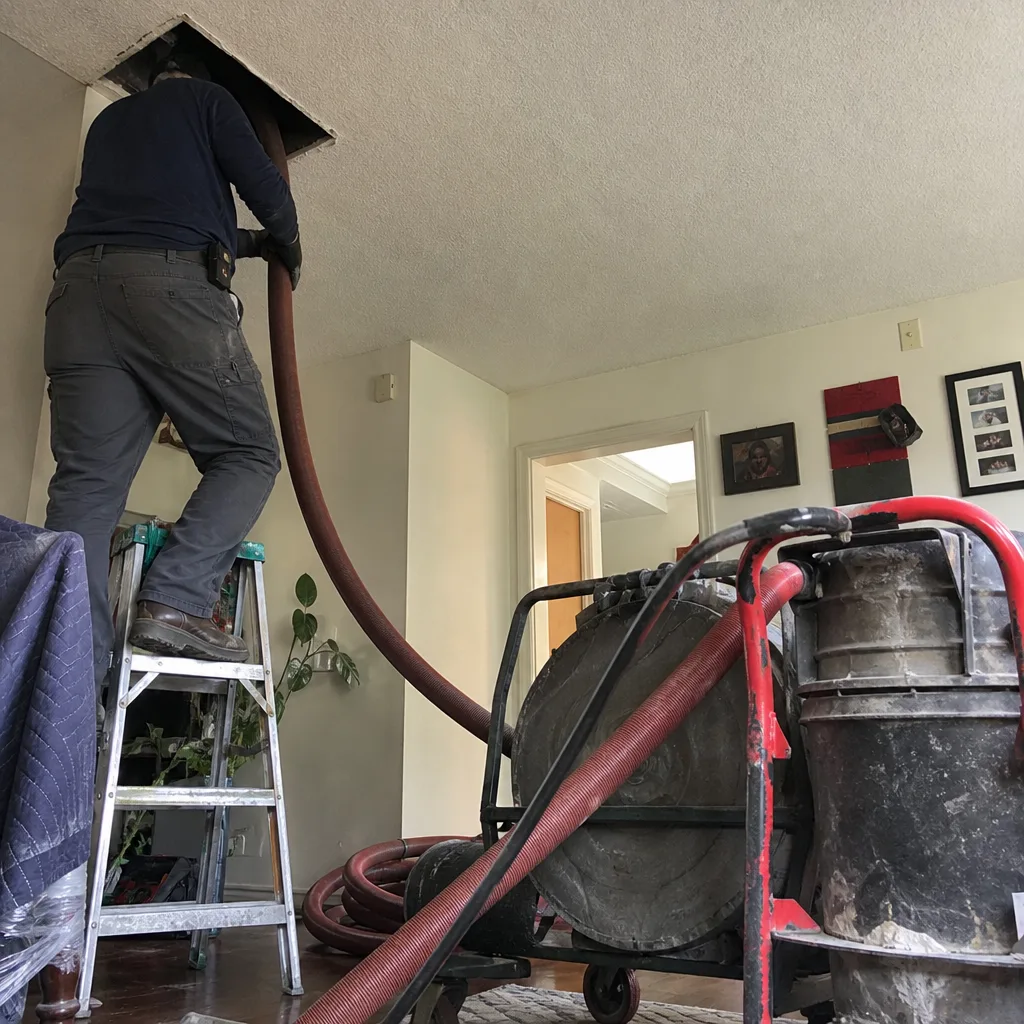 Before
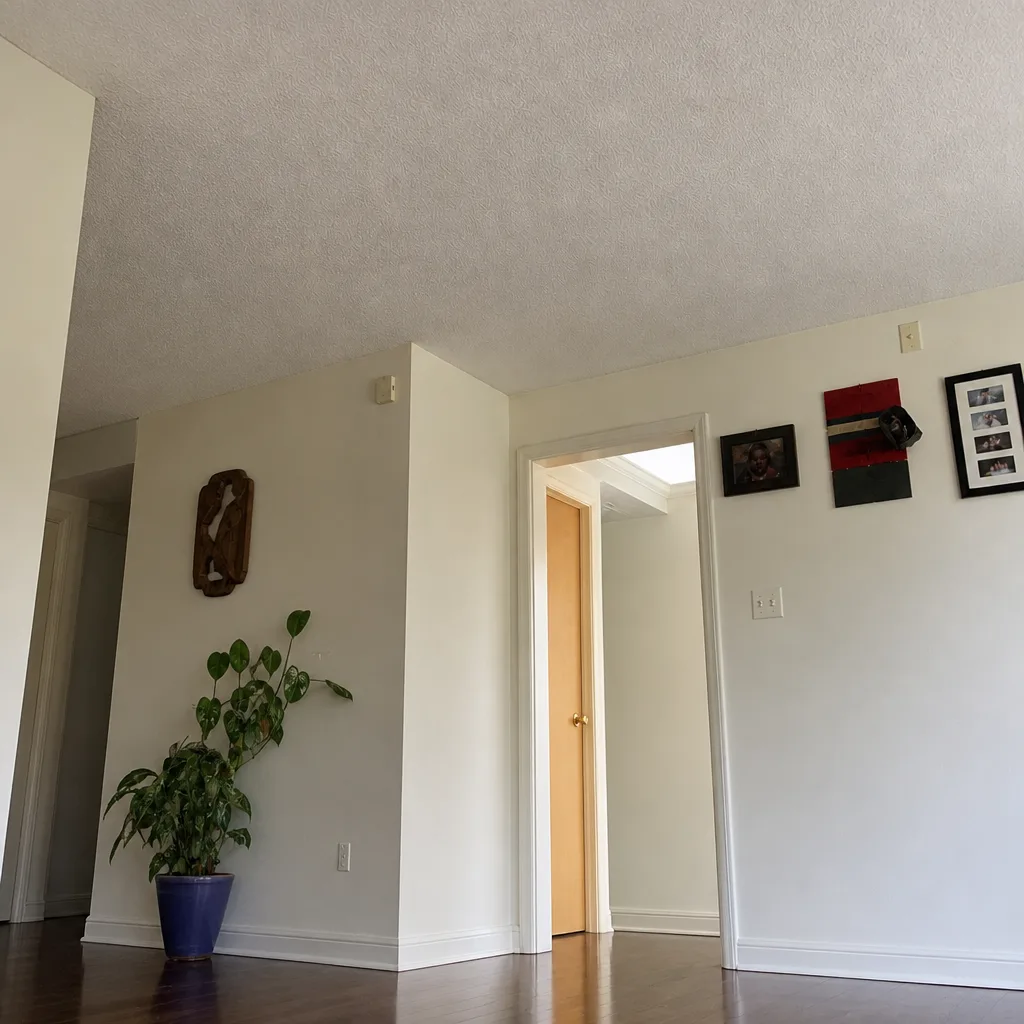 After
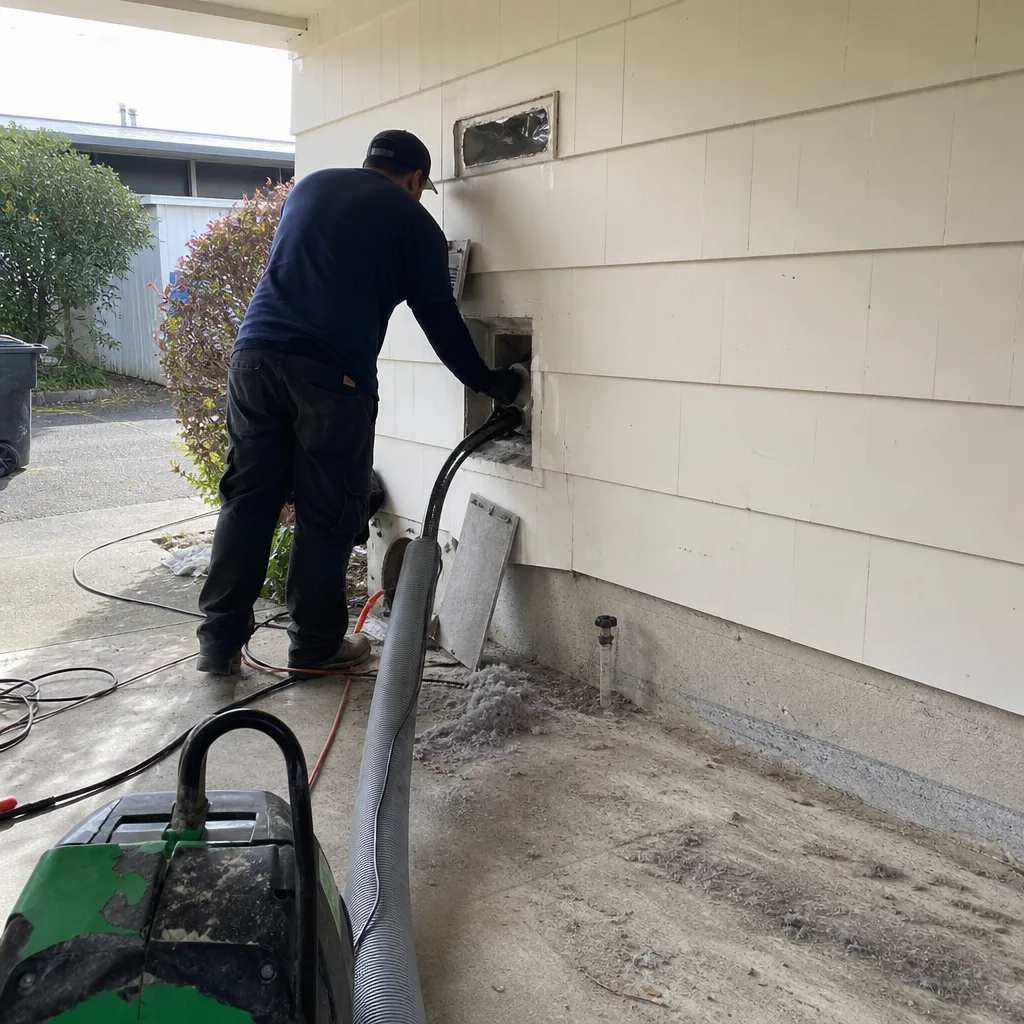 Before
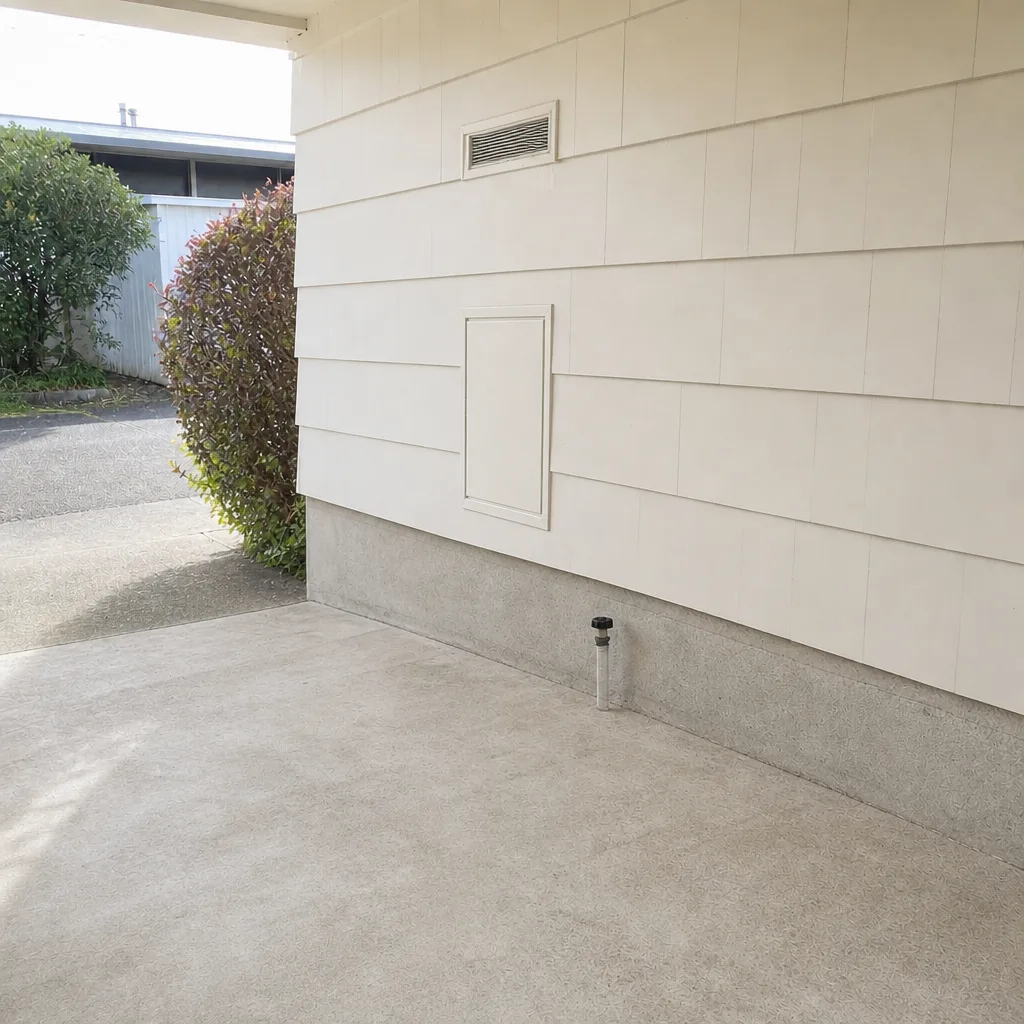 After
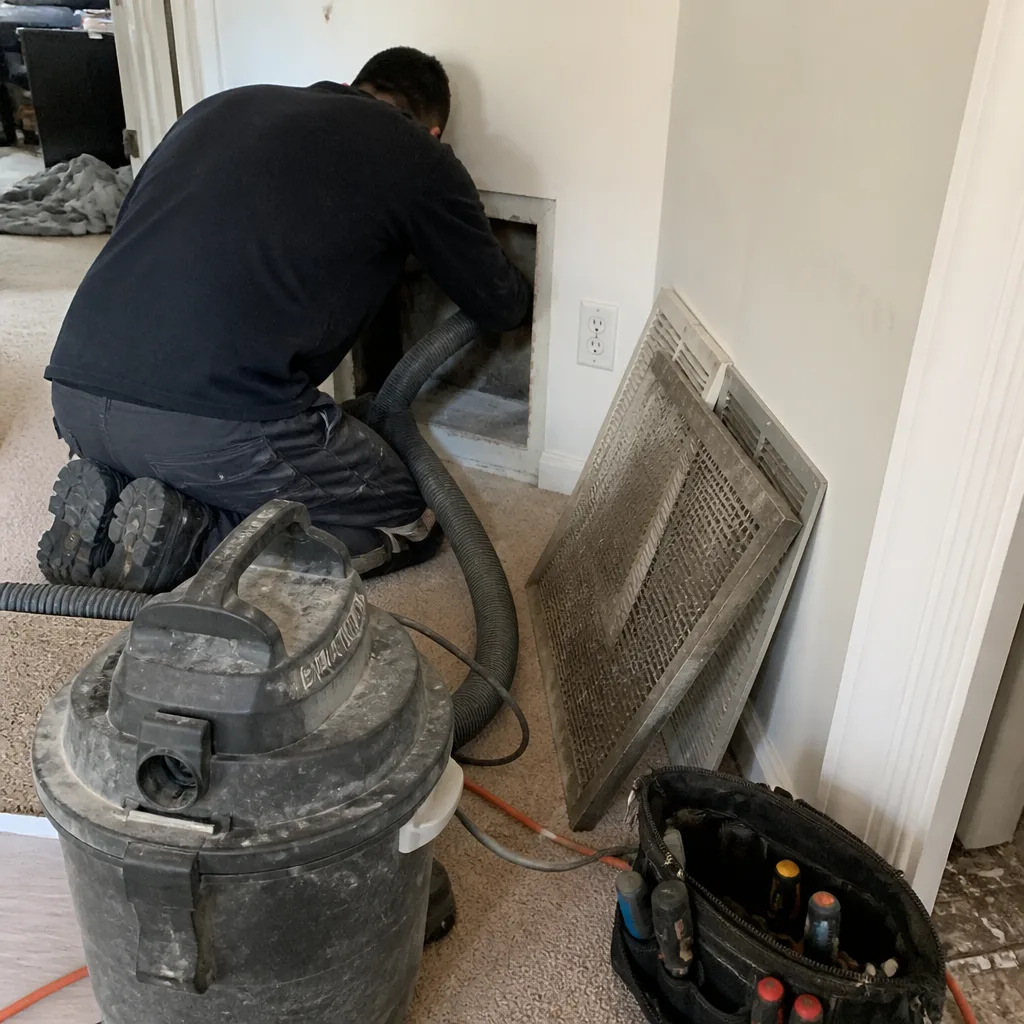 Before
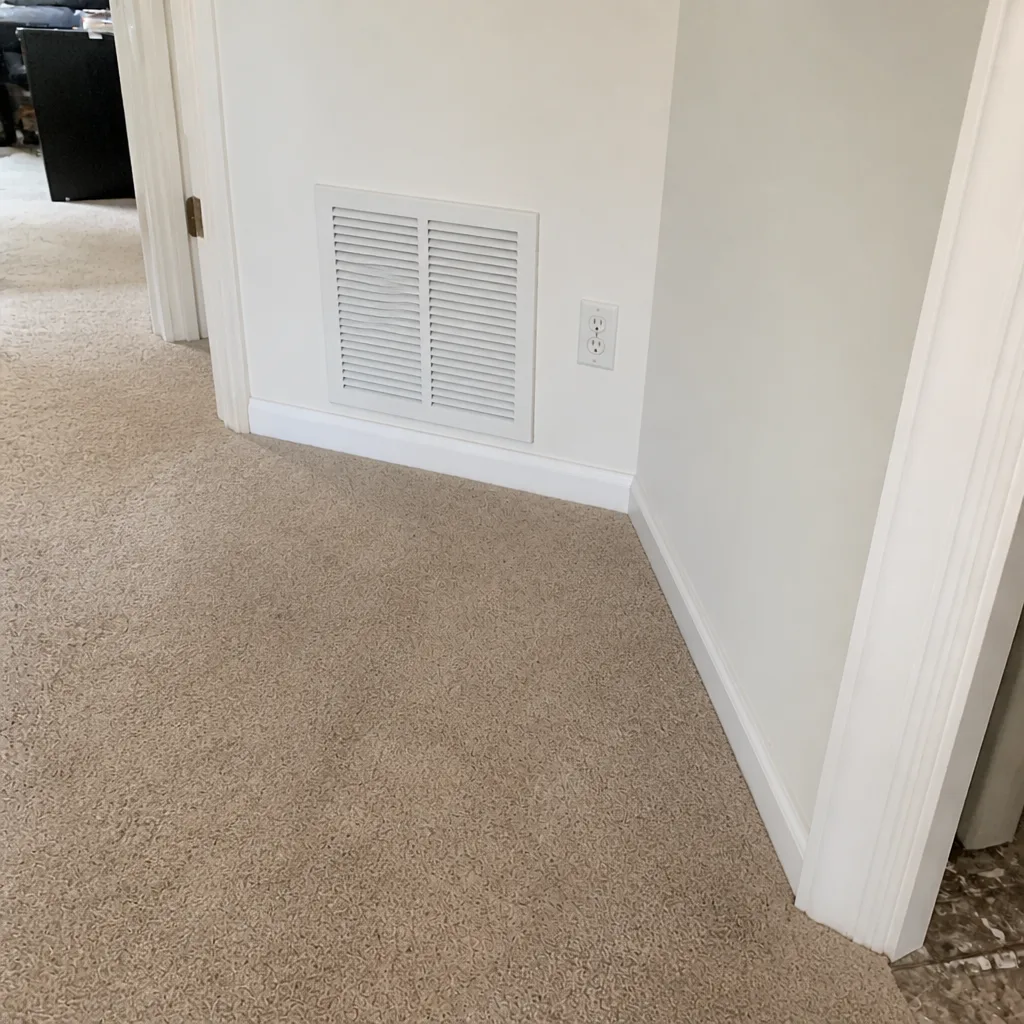 After