
Last updated November 15, 2026
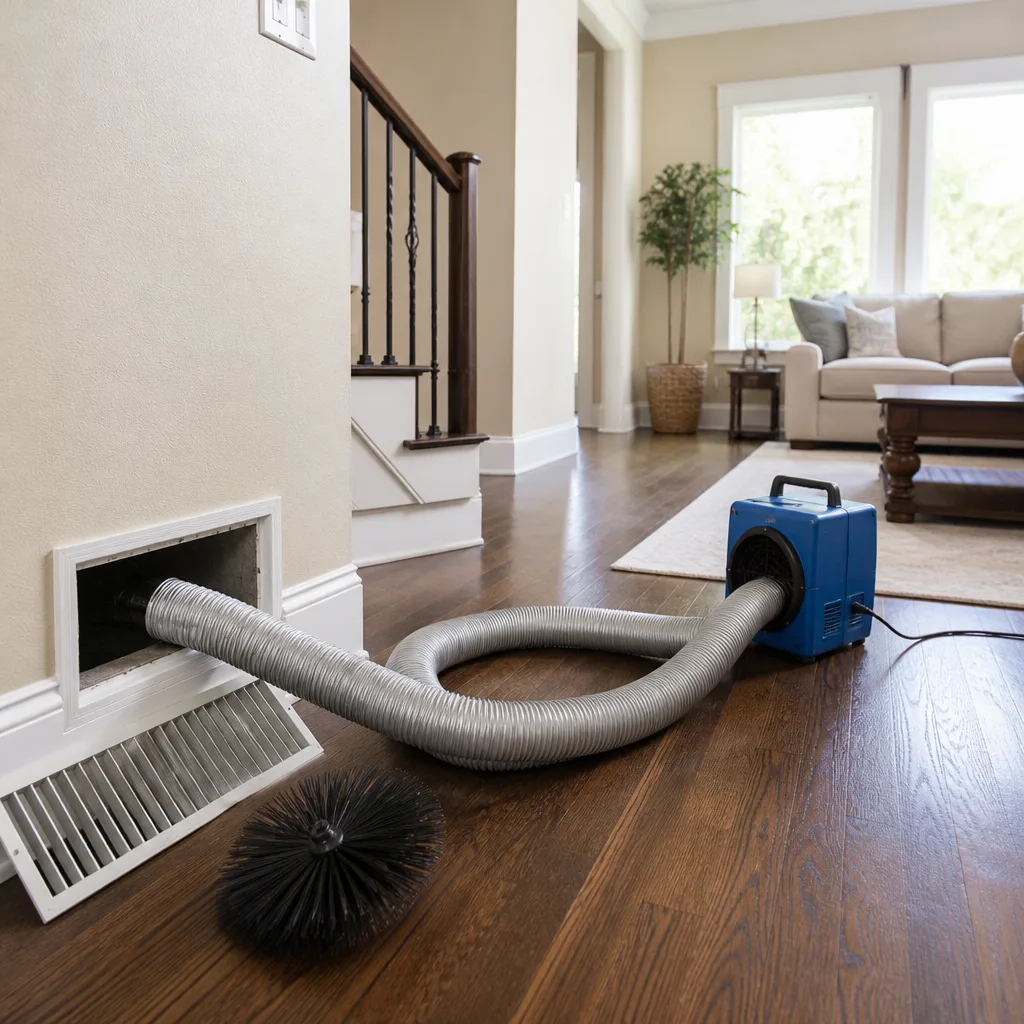 Whole-home duct cleaning
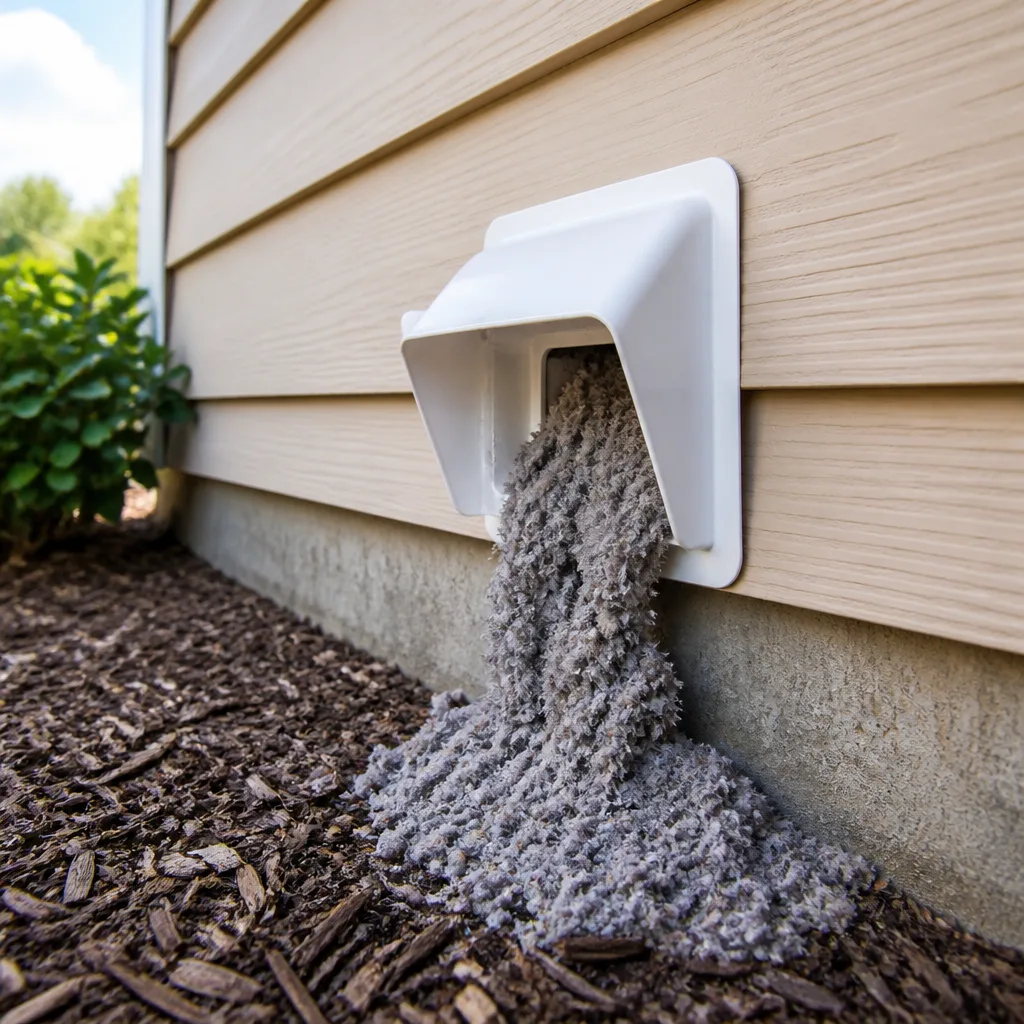 Dryer vent cleaning
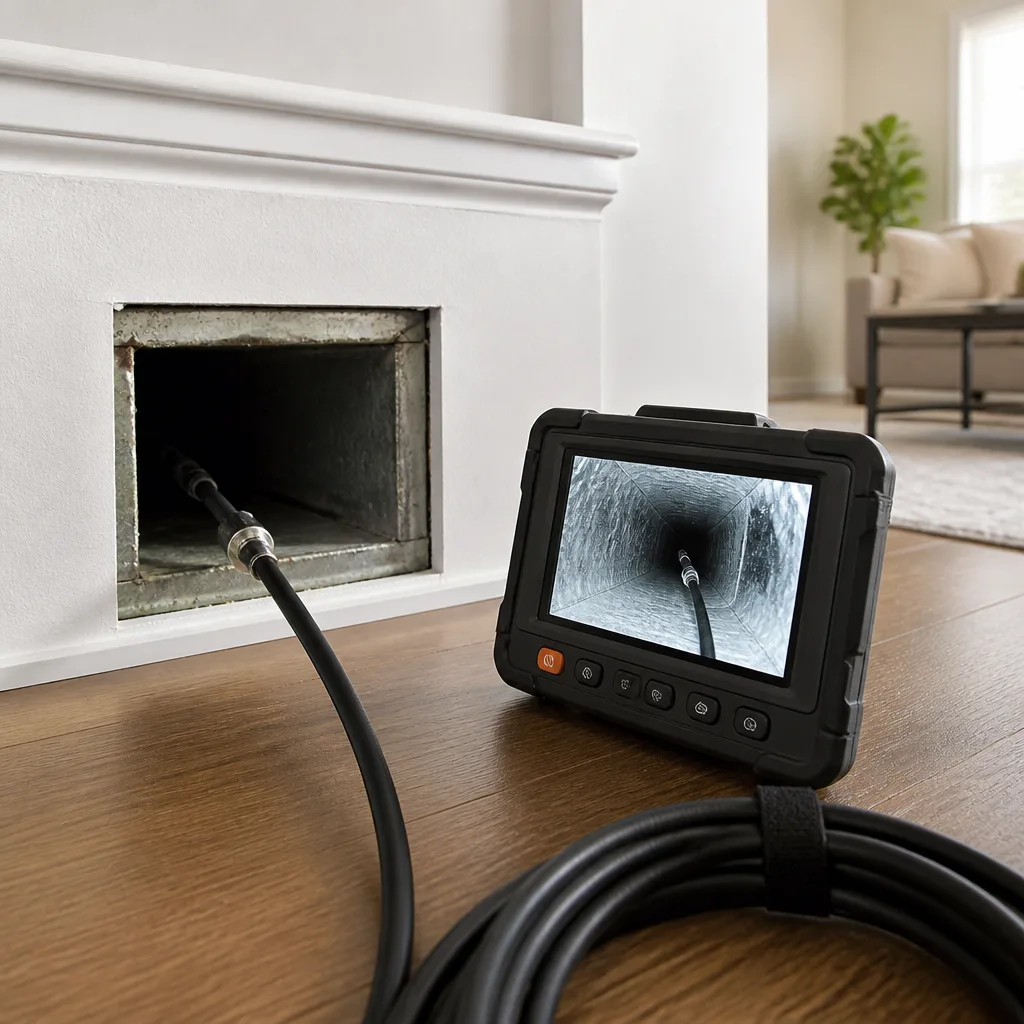 Camera inspection
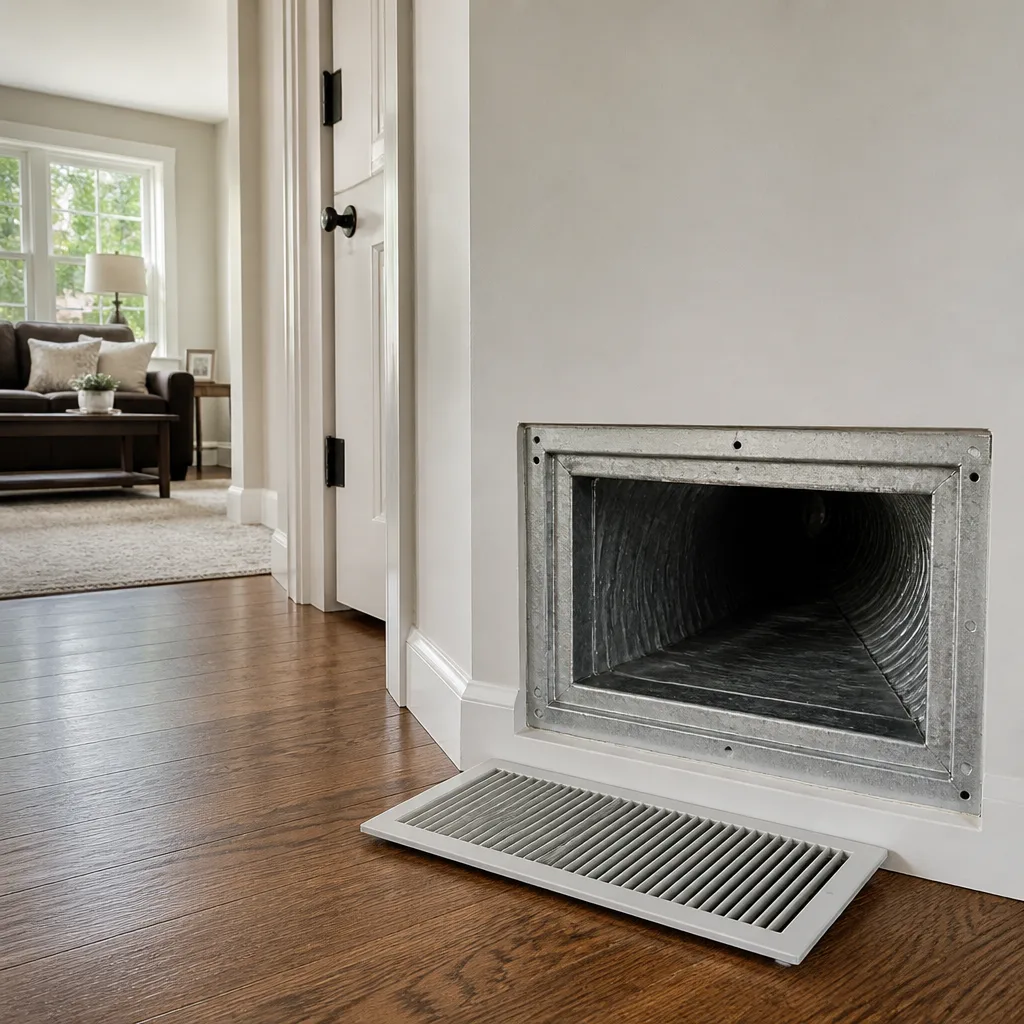 Sanitizing & deodorizing
Whole-system duct and dryer vent check with before-and-after photos - you see exactly what came out of your vents
That "$99 whole-house special" is a bait ad - the real number appears once they are in your hallway, or the "clean" is a shop-vac at the register. We photograph the inside of your ducts before and after instead.
Choosing the Right Air Duct Cleaning Brand: A Buyer’s Guide for Vallejo
There’s no meaningful brand choice in duct cleaning. There is only equipment class. The name on the side of the van tells you nothing about whether the machine inside it can pull the negative pressure your ductwork needs, whether the technician has the contact tools to actually reach the walls of a thirty-year-old galvanized trunk line, or whether anyone on the job can spot a crushed flex run before they button everything back up. We wrote this guide because Vallejo homeowners keep shopping for a company by its logo when they should be shopping for its equipment list and its method. Here’s how to tell the difference before you book.
Quick Answer
The right air duct cleaning company in Vallejo is the one whose equipment can generate enough negative pressure to hold the dust you’re disturbing (typically a truck-mounted or high-output portable system in the 3,000+ CFM range) and whose technicians use source contact tools like rotary brushes, air whips, or skipper balls matched to your duct material, not just a vacuum hose stuffed into a register. Ask for the equipment class, the contact method, and whether the crew can repair compromised ductwork discovered during cleaning. Companies that answer those three questions clearly are worth booking; companies that dodge them are usually running a shop vac and a marketing budget.
Styles & brands we work with
- Whole-home duct cleaning
- Dryer vent cleaning
- Camera inspection
- Sanitizing & deodorizing
Table of Contents
- Why Equipment Class Matters More Than Brand Name
- Truck-Mounted vs. Portable Units: The CFM Thresholds That Matter
- Contact Cleaning Methods: Rotary Brushes, Air Whips, and Skipper Balls
- What Vallejo Homes Typically Have in the Ductwork
- Questions to Ask Before You Book (and What Good Answers Sound Like)
- Why NADCA Certification Is a Meaningful Quality Floor
- How Equipment Investment Shapes Pricing (and What a Too-Cheap Quote Really Means)
- Why Cleaning and Repair Belong in the Same Visit
Why Equipment Class Matters More Than Brand Name
Air duct cleaning isn’t a cleaning product you can buy off a shelf and point at a problem. It’s a process that only works when the vacuum system can hold enough negative pressure to keep the debris you’re loosening suspended and moving toward the collection point instead of settling back onto the duct walls or drifting into the living space. That’s an engineering threshold, not a marketing claim. A company can have a polished brand identity, a wrapped van, and a slick website, and still show up with a portable unit that generates a fraction of the airflow a professional truck-mounted system produces.
What the equipment class determines, in plain terms:
- Whether the dust actually leaves. Underpowered vacuums agitate the contamination but don’t capture it. You pay for motion without removal.
- Whether the technician can reach the duct walls. A vacuum alone pulls from the air column. It doesn’t scrub the surface where biofilm and settled particulate cling. That takes contact tools, which we’ll cover below.
- Whether the job can be verified. Equipment that supports before-and-after visual inspection (cameras, access cuts, controlled lighting) is what makes a claim of “cleaned” mean anything.
- Whether the job can be finished in one visit. Companies that combine cleaning and repair in the same trip use equipment designed to handle both phases without a second contractor showing up a week later.
The companies that invest seriously in equipment tend to be the ones that take the work seriously. In our experience running professional-grade systems daily, the tooling and the discipline travel together. A contractor who spent real money on a Rotobrush or Nikro system has a reason to protect that investment with proper technique. The contractor who improvised with a shop vac and a flexible hose has neither the capacity nor the overhead to be precise.
Vallejo’s housing stock makes this distinction sharper. Many homes here were built in the mid-century decades when ductwork was sized and installed for the equipment of that era, and the systems have accumulated decades of ordinary household dust, pet dander, and remodeling debris since. Underpowered cleaning on a system that age tends to loosen more than it removes, and homeowners often describe the air feeling worse for a week before it settles. Properly equipped cleaning, done with the right pressure and the right contact tools, is what makes the difference perceptible rather than theoretical.
Truck-Mounted vs. Portable Units: The CFM Thresholds That Matter
CFM stands for cubic feet per minute, and it’s the number that tells you how much air a vacuum system can move. In duct cleaning, higher CFM plus enough static pressure equals the ability to hold a duct run under negative pressure while you work it. That’s the whole ballgame. Two categories dominate the market:
Truck-Mounted Vacuum Systems
These are the heavy-duty units built into a dedicated service vehicle. They typically generate several thousand CFM and are the standard for whole-house cleaning because they can hold a full residential system under negative pressure while a technician works each branch line. Truck-mounted systems require the contractor to route a large hose from the truck to the duct access point, which is why some companies avoid them on tight-valley lots. They’re the fastest and most thorough option for a full-system clean.
High-Output Portable Units
Portable units range widely in quality. The top end of the portable category, including professional models from Nikro and comparable manufacturers, can generate meaningful airflow for a residential system and are often used when a truck-mount can’t physically reach the access point. The bottom end of the portable category is what you’ll see in a low-ball operation: a shop-style vacuum with duct attachments, generating a small fraction of what a professional system produces. When a company tells you they use “portable equipment,” that answer is not enough on its own. Ask for models and CFM ratings.
What the Numbers Actually Should Be
- Truck-mounted, whole house: typically in the multiple-thousands CFM range, with the ability to hold consistent negative pressure across the full system.
- Professional portable, whole house: should still be able to generate enough airflow to keep the working duct under continuous negative pressure while a technician works the line.
- Below that threshold: you’re paying for surface-level agitation, not remediation.
We use Rotobrush and Nikro systems precisely because they’re purpose-built for this work and carry the specs to back it up. When a Vallejo homeowner asks what equipment we run, we can name it and describe what it’s capable of. Any contractor who can’t do the same is asking you to buy a brand without a spec sheet.
Contact Cleaning Methods: Rotary Brushes, Air Whips, and Skipper Balls
Vacuum pressure alone doesn’t clean a duct wall. It evacuates the air column and captures loose debris, but the material that clings to the surfaces inside a duct, including settled dust, dander, and biofilm formed in humid conditions, needs mechanical contact to break loose. That’s the job of the contact tools. Different tools suit different duct materials and configurations, and a professional crew should be able to explain why they’re using one over another on your system.
Rotary Brush Systems
A rotary brush is a motorized spinning brush head that runs the length of a duct line, scrubbing the walls as it travels. Rotary brushes are the go-to for rigid metal ductwork, both galvanized steel and the older rectangular duct systems common in mid-century Vallejo homes. They’re aggressive enough to break loose years of buildup but can be used with variable pressure so the technician can dial back on thicker seams or lighter-gauge material. If your home has sheet metal trunk lines, expect a rotary brush to be part of the process.
Air Whips
An air whip is a flexible line with forward and rear-facing nozzles that’s run through flexible ductwork, blasting compressed air against the interior walls as it travels. Air whips are gentler than rotary brushes and are the right tool for flex duct, which is common in homes where a duct system has been replaced or added to over the decades. Using a rotary brush on flex duct can tear the liner; using an air whip on heavy metal buildup can be too slow. The right tool depends on the material, not the price of the job.
Skipper Balls
A skipper ball is a rubber or foam sphere that’s propelled through ductwork with compressed air, bouncing off the interior walls and knocking debris loose as it moves. Skipper balls are useful for agitating material ahead of the vacuum in configurations where a brush or whip can’t easily reach, particularly in transitions and short runs where the geometry is awkward. They’re a supplementary tool, not a replacement for a rotary brush or air whip on a full-system clean.
How the Methods Combine
A complete whole-house cleaning typically runs through the following sequence:
- Set negative pressure on the system using the main vacuum, so the entire duct run is pulling away from the living space while work proceeds.
- Open access points at the trunk and branch lines, or work through existing registers where access allows.
- Run the contact tool matched to each duct material, using the rotary brush on rigid metal and the air whip on flex, with a skipper ball for transitions and awkward geometry.
- Capture the dislodged debris at the vacuum collection point.
- Inspect and document the results with before-and-after visual checks, so the homeowner can see what changed.
Notice that no step involves a shop vac on a hose. That’s the difference between an equipment class that can clean a system and an equipment class that can only disturb one.
What Vallejo Homes Typically Have in the Ductwork
Vallejo’s housing runs from older single-story homes in neighborhoods like the ones near downtown and Mare Island to mid-century builds across the hills and newer construction on the outer edges of town. That range means the duct systems differ more than they would in a city built in a single decade. Some homes have original sheet metal trunk lines with branch runs and decades of settled accumulation. Others have been retrofit with flex duct during a remodel or a system replacement, and the flex sections can sag, crush, or pull loose from their collars over time. Some properties have both types in the same system, and that mixed configuration is exactly where a one-tool operation falls short.
Vallejo’s climate is mild compared with the rest of the country, but that doesn’t let ductwork off the hook. Mild winters and warm summers mean the HVAC system runs a lot of the year, and every operating hour moves air through the ducts. Household dust, pet dander, cooking particulate, and pollen all travel that path. In homes where remodeling has happened, drywall dust and construction debris often settle into the ducts and stay there for years. And because Vallejo sits inland of the Bay, spring pollen counts in the surrounding hills and valleys push particulate levels up in the air that gets pulled into the return.
What we typically look for in a Vallejo system:
- Older metal trunk lines in mid-century homes, often with visible buildup at the seams and corners where debris settles.
- Retrofit flex duct from partial or full re-ducting, which needs air whip cleaning rather than a rotary brush.
- Loose or disconnected collars where a flex run has pulled away from a metal takeoff, sending conditioned air into the crawlspace or attic instead of the room.
- Crushed flex runs behind furniture or at tight transitions, which restrict airflow and create breeding ground for settled debris.
- Return-side contamination that’s often heavier than the supply side because that’s where the return air passes first.
A company that only carries a vacuum and a hose can’t tell you the difference between those conditions. A company with a full equipment class and a repair capability can clean the appropriate sections and address the compromised ones in the same visit, which is what we mean when we say cleaned and cleared in one visit for Vallejo homes.
Questions to Ask Before You Book (and What Good Answers Sound Like)
The single most useful thing you can do as a Vallejo homeowner is ask specific questions before you commit. The answers, not the website, will tell you which class of company you’re dealing with. Here’s what to ask and what to listen for:
- “What vacuum system will you run on my ducts, and what’s the CFM rating?” A professional answer names the equipment and gives a number. A vague answer (“we use professional equipment”) is a signal to move on. The best answer will tell you whether it’s truck-mounted or portable and why that’s appropriate for your access point.
- “What contact tools will the technician use, and how do you decide which one?” The answer should reference rotary brushes, air whips, or skipper balls, and it should connect the tool choice to your duct material. If the answer is “we just use the vacuum,” you’re looking at surface-level work.
- “Do you inspect the system before and after?” Before-and-after documentation is the evidence that the work actually happened. A company that offers to show you what changed is confident in the result. A company that won’t is asking you to take it on faith.
- “What happens if you find damaged or disconnected ductwork during cleaning?” The answer tells you whether you’re hiring a cleaning company that can repair or a cleaning company that will hand you a second contractor’s phone number. Full-service capability here matters because most discovered damage happens mid-job, not at the estimate.
- “Are you NADCA-certified, and what does that certification require?” We’ll cover what NADCA is in the next section. What you want to hear is an accurate description of what the certification involves, not just “yes.”
- “Will the price be set before work starts, or does it change once you’re here?” A flat price per system, agreed in writing before any technician starts, is the single most reliable defense against bait-and-switch. Ask for it explicitly.
- “Can I see before-and-after photos when you’re done?” A company equipped for the work naturally documents it. Ask, and expect a clear yes.
Any of these questions can be asked by phone before you book, and any competent operator should be able to answer without calling you back. In our experience, the companies that get defensive about these questions are the ones that know their equipment class won’t hold up to the answer.
Why NADCA Certification Is a Meaningful Quality Floor
NADCA stands for the National Air Duct Cleaners Association, and it sets an industry standard for how duct cleaning is supposed to be done. Certification through NADCA is not a marketing gimmick. It requires companies and their technicians to demonstrate knowledge of the assessment process, source removal methods, containment, and system-specific cleaning procedures. It also requires ongoing training and adherence to a code of ethics, which puts a documented floor under the operation.
What NADCA certification actually means for you as a homeowner:
- The company knows what “source removal” means. Cleaning is defined as removing contaminants from the source, not fogging the system with a chemical and calling it done.
- The technician has been trained on assessment. Before cleaning, the system should be inspected for contamination, damage, and moisture problems that change the appropriate method.
- The company is held to a code of conduct. NADCA members agree to specific standards for honesty and pricing that give you a documented basis for complaint if the job goes wrong.
- There’s an accessible standard for the work. NADCA publishes assessment and cleaning guidance that a homeowner can reference when evaluating a bid or a finished job.
NADCA certification isn’t the only quality signal, but it’s the most useful one for a homeowner who doesn’t want to learn the trade to hire a contractor. A company that holds it has demonstrated a commitment to methodology that a company without it hasn’t. When we run professional-grade equipment and follow source-removal standards on every Vallejo job, the NADCA framework is the one we’re working within.
Two other certifications worth asking about are IICRC (which covers broader cleaning and restoration standards) and any manufacturer-specific training on filtration and IAQ products. Neither replaces NADCA, but together they tell you whether a company has invested in the technical knowledge to handle systems that are more complicated than a straight residential trunk-and-branch run.
How Equipment Investment Shapes Pricing (and What a Too-Cheap Quote Really Means)
Professional duct cleaning is a capital-intensive service. A properly equipped operation in Vallejo has real cost floors, and those floors don’t disappear when a quote is low. They move. A quote that undercuts the equipment class and the labor required to clean a whole-house system isn’t a better deal; it’s a different scope of work sold at a familiar-sounding name.
What Drives the Real Cost
- Equipment depreciation and maintenance. Truck-mounted and professional portable systems cost real money to buy, run, and keep in calibration. That cost is part of every invoice.
- Labor hours per job. Whole-house cleaning on a Vallejo mid-century home with mixed metal and flex duct can take most of a day when done properly. A crew that finishes in ninety minutes on the same system is not doing the same job.
- Contact tool time. Running a rotary brush or air whip through every branch run takes time. A vacuum-and-done operation skips it.
- Repair capability on hand. Being able to address a crushed or disconnected run during the same visit requires the technician, the tools, and the parts to do it. That readiness is built into the service model.
- Documentation and follow-up. Before-and-after photos, inspection notes, and a written price agreed before work begins all cost the company time it doesn’t get back for free.
Why Cheap Quotes Are Usually Cheapest for a Reason
When a Vallejo quote lands well below the market range for a whole-house clean, the difference almost always shows up on the job, not in the price. The most common undercutting tactics:
- Per-vent pricing that balloons once the technician is on site. The quote showed a low “base price” and the invoice reflects every register as a separate line item.
- Vacuum-only cleaning. No contact tools, no agitation, no real removal. The air feels different for a day afterward because particulate is suspended, then it settles back where it started.
- Upsells discovered mid-job. “Your ducts need treatment” once the technician is in the house and the homeowner is committed. That treatment is often a fogging product without source removal underneath it.
- No documentation. You can’t verify what happened because nobody showed you. The work either happened or it didn’t; you have no evidence either way.
- No repair capability. Damage discovered during cleaning becomes a referral and a second quote from a different company.
The defense against all of this is a flat price per system agreed before work starts, no per-vent line items, and before-and-after photos of your own ducts when the job is done. Any company that won’t offer that up front is telling you something about how the job will go.
Why Cleaning and Repair Belong in the Same Visit
Damaged ductwork is the most common thing we discover during cleaning, and it’s the reason repair is part of a proper service model rather than an upsell. A flex run that’s been crushed behind furniture, a collar that’s pulled away from a trunk line, a disconnected joint in the attic, a section of duct tape that failed years ago: none of these get better with cleaning alone. In fact, cleaning a system with disconnected runs means you’re pulling dust into the cavity around the ducts instead of capturing it.
The right sequence for a Vallejo home with both contamination and damage is:
- Inspect the full system during the assessment phase, noting disconnected runs, crushed flex, and gaps at collars.
- Clean the connected sections under negative pressure, using the appropriate contact tool for each duct material.
- Repair the compromised sections within the same visit, reconnecting collars, replacing crushed flex where necessary, and sealing gaps that would otherwise leak conditioned air.
- Verify the repaired system with a visual check and photo documentation so you can see the before-and-after for each section that was addressed.
A duct-only cleaning company that doesn’t offer repair will either clean around the damage (leaving the original problem in place) or stop the job and tell you to call someone else (leaving you with a half-finished clean and a second appointment to schedule). Having cleaning and repair in one visit eliminates both of those outcomes, which is why the full-service model matters more than homeowners usually realize until they’re mid-job.
Our approach pairs professional-grade equipment with the capability to fix what we find, using Rotobrush and Nikro systems for the cleaning phase and Guardsman-grade protective products for the repair standards. When a job calls for higher-stakes air quality handling, Abatement Technologies equipment is part of the kit, and we’re familiar with Honeywell and Aprilaire systems for the filtration side of the equation. That combination is what allows a single visit through a Vallejo home to leave the system genuinely cleaner and functionally intact.
Common Mistakes to Avoid
- Booking on price alone. The lowest quote in Vallejo is usually the lowest for a reason: less equipment, less time, less documentation. Ask what’s included before you compare numbers.
- Accepting “we use professional equipment” as an answer. It’s a phrase, not a spec. Ask for the machine model and its CFM rating. If nobody on the other end of the line can name it, the answer isn’t real.
- Assuming “cleaned” means inspected. A lot of low-cost jobs invoice for cleaning and never look at the system. Before-and-after photos are the minimum evidence that work happened; press for them.
- Skipping the question of repair capability. Damage discovered mid-job with no in-house repair means a referral, a second quote, and a second appointment. Ask up front whether the same company can fix what it finds.
- Assuming mild climate means infrequent cleaning. Vallejo’s moderate weather keeps the HVAC running much of the year, and years of running adds up. Duct cleaning is about accumulated particulate, not about extreme weather events.
- Accepting a per-vent price as the final number. Per-vent pricing is the mechanism most often used to turn a low teaser into a large invoice. Ask for a flat price per system in writing before work begins.
- Not asking who’s doing the work. A “certified company” doesn’t automatically mean a certified technician on site. Ask whether the crew on your job is trained to NADCA standards and what the company’s assessment process looks like.
Our technicians have up to 11 years of experience handling the equipment classes described in this guide, and that experience is one of the reasons we ask homeowners to evaluate the tools before they evaluate the price. air duct cleaning is a technical service, and it deserves the same diligence you’d apply to hiring an electrician or a plumber.
See the difference
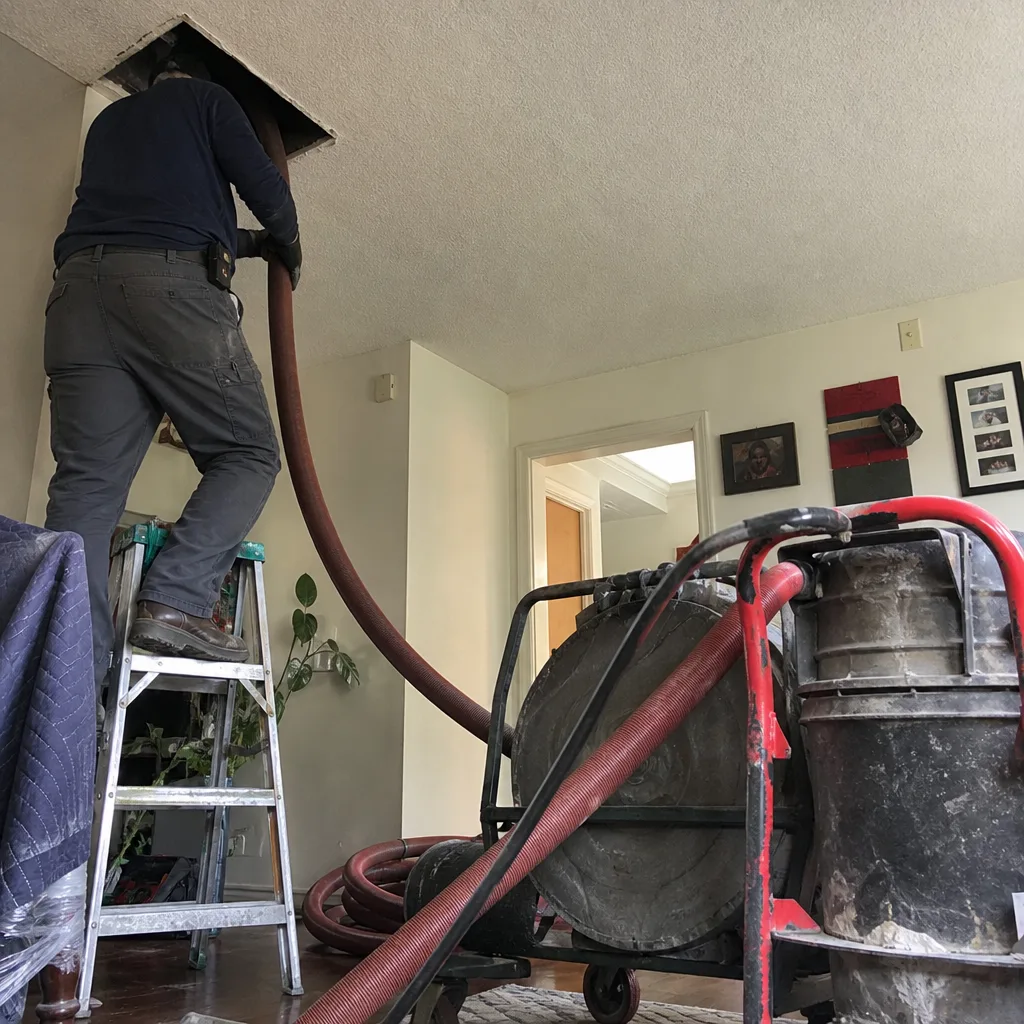 Before
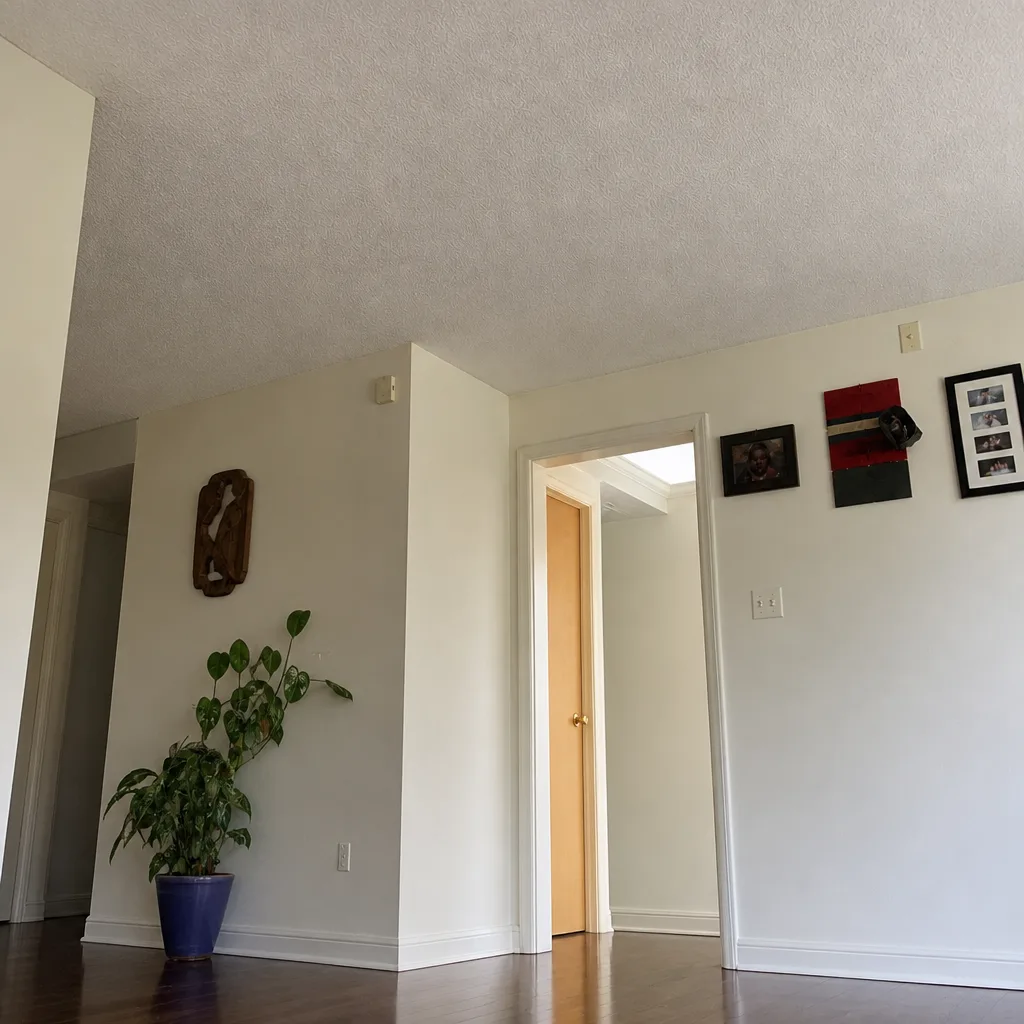 After
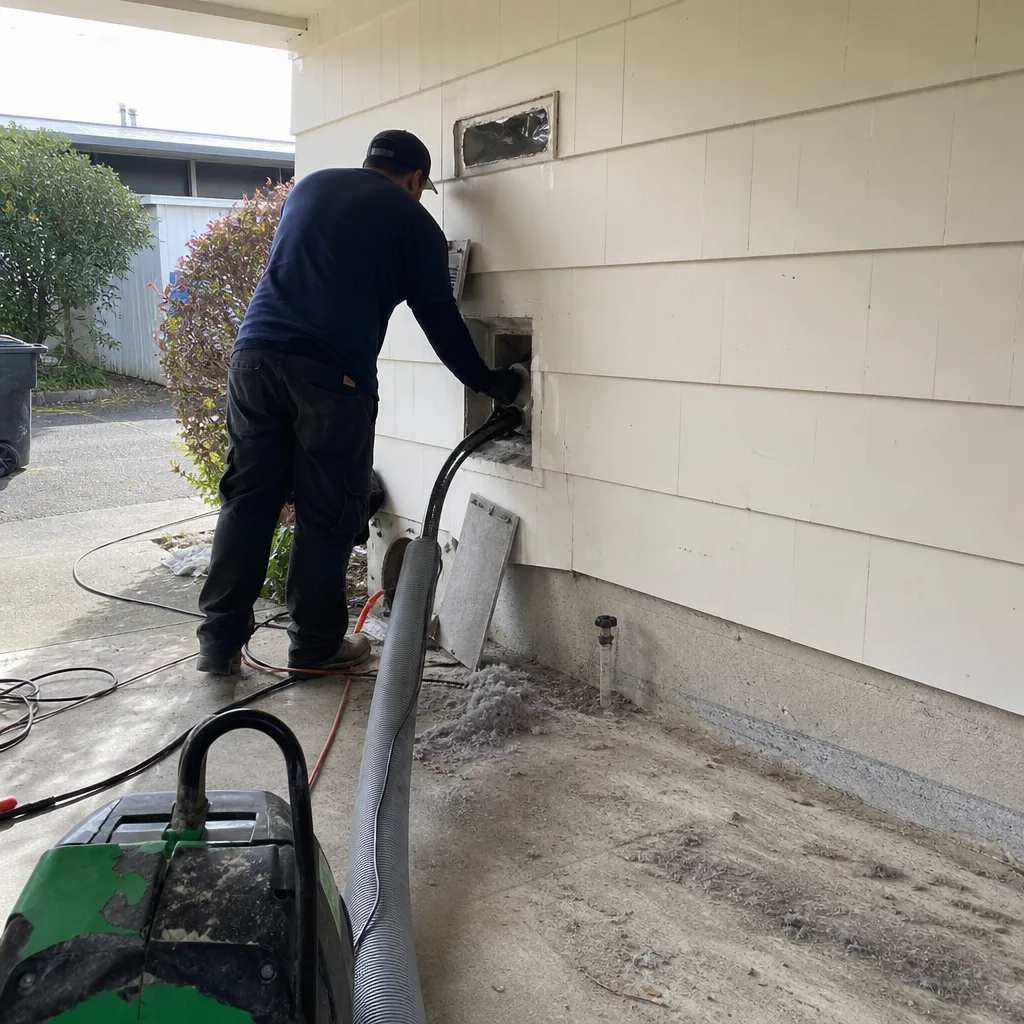 Before
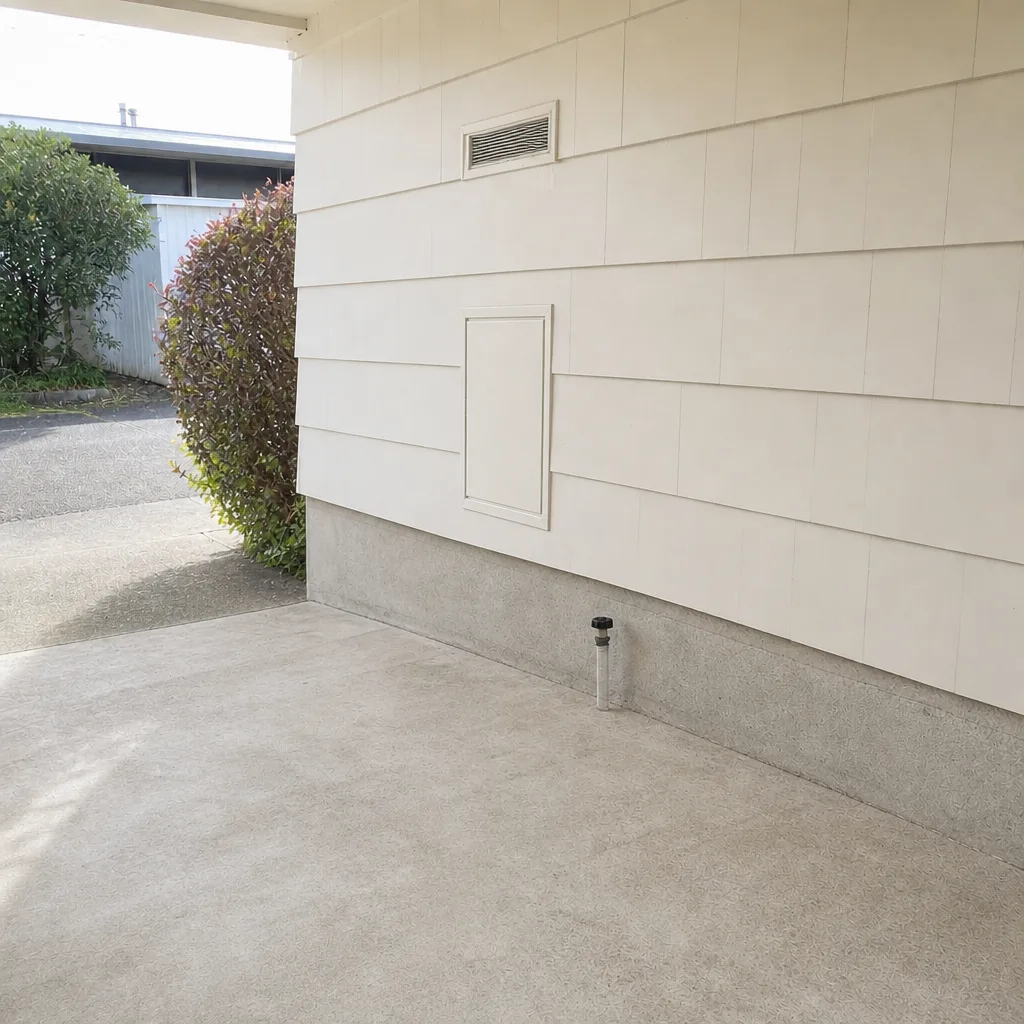 After
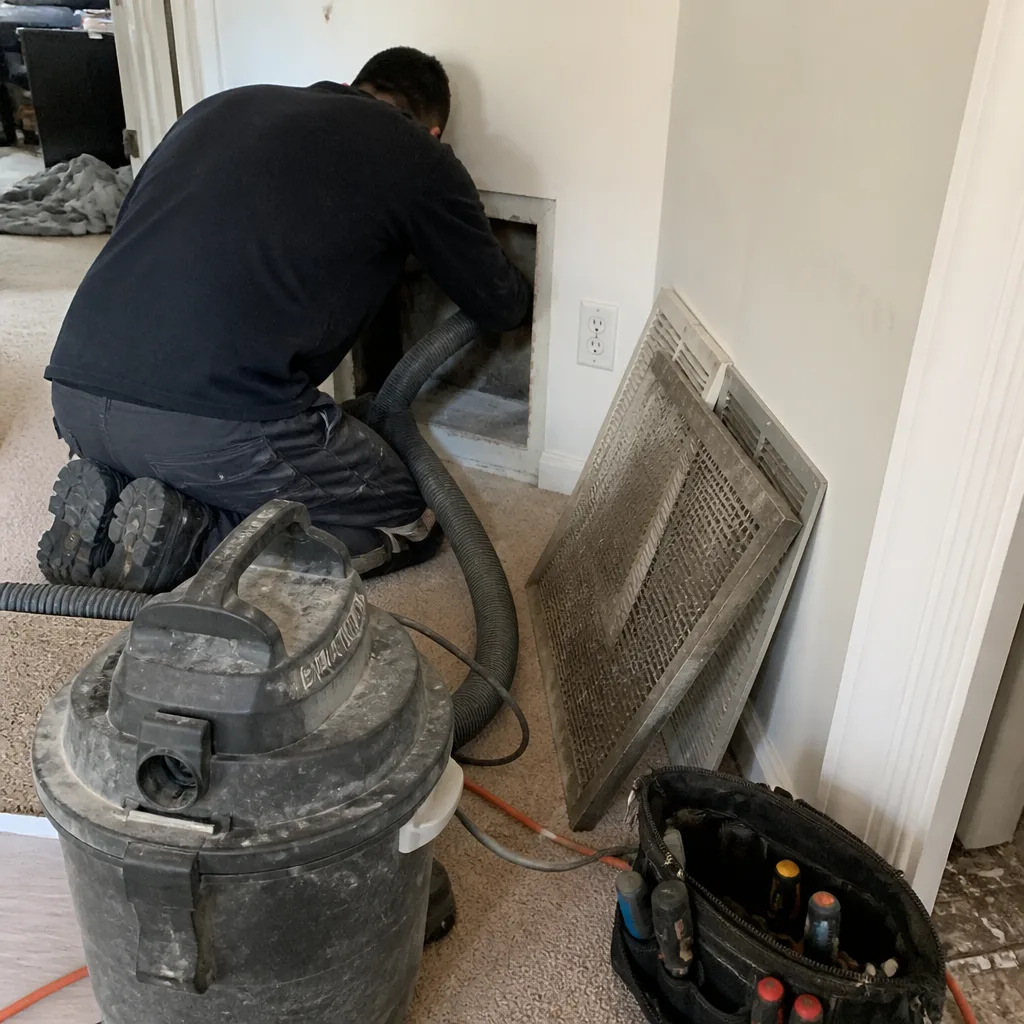 Before
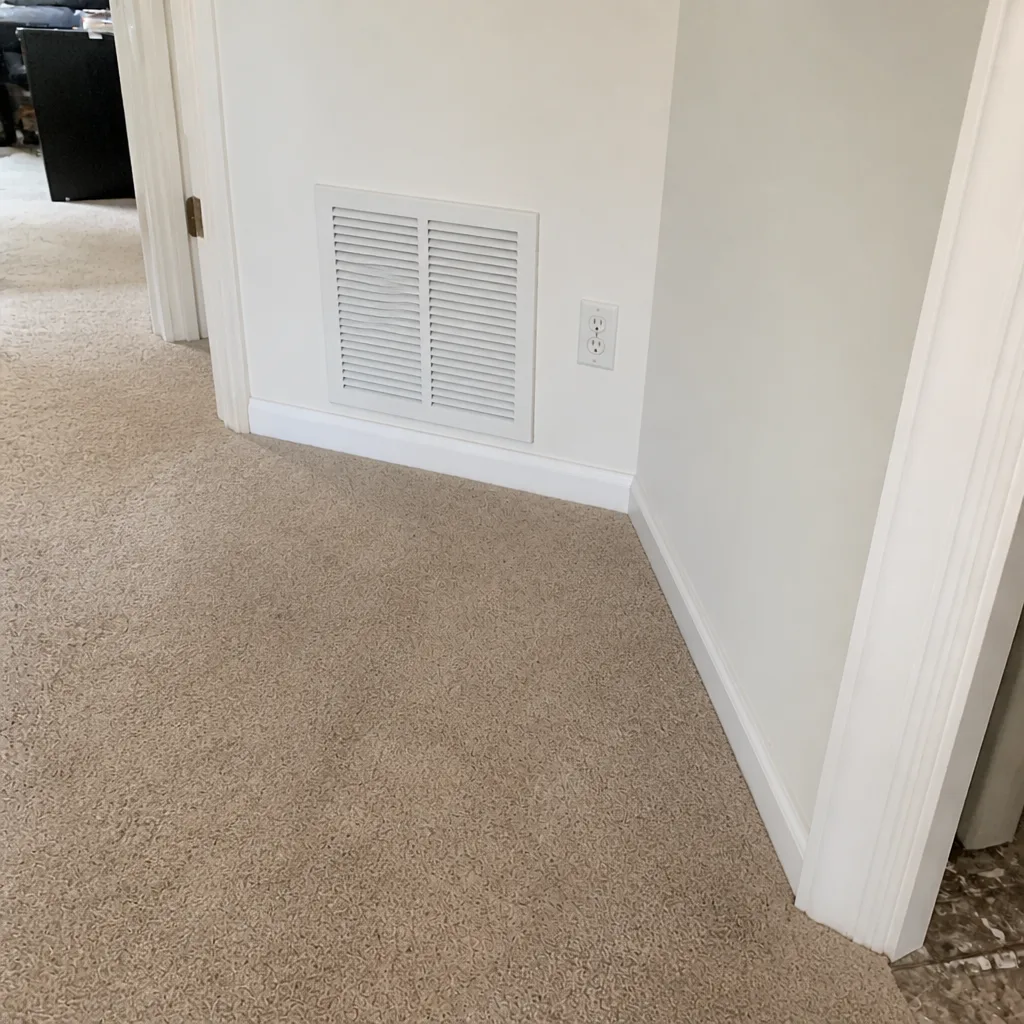 After
When to Call a Professional
Duct cleaning isn’t something to schedule on a fixed calendar; it’s something to schedule when the evidence points to it. In Vallejo homes, that usually means one of the following: visible dust puffing out of the supply registers when the system kicks on; a persistent musty odor that doesn’t clear after cleaning the rest of the house; a recent remodel or major construction project that generated fine particulate; visible contamination at the register with a flashlight; a known pest or rodent problem in the attic or crawlspace; unexplained allergy symptoms that worsen inside the home; or evidence of a crushed, sagging, or disconnected flex run behind furniture or in the attic. If any of those apply, cleaning plus inspection is the right call. If your only reason is “it’s been a few years,” call anyway and ask for an assessment; a properly equipped company will tell you honestly whether the system needs work or doesn’t. Duct Cleaning Vallejo offers free estimates in Vallejo. Call (844) 859-6986. We answer 24/7. Fast dispatch from 7am to 7pm, Sunday through Friday.
Don’t attempt to open ductwork, remove access panels, or reach into the system yourself. Ductwork is connected to the heating and cooling equipment, and any work on the system should be done by a trained professional with the proper equipment. The safe approach is always an assessment by a qualified company.
Frequently Asked Questions
The best company is the one whose equipment class matches your system: a truck-mounted or high-output portable vacuum in the thousands-of-CFM range, contact tools including rotary brushes, air whips, and skipper balls, and repair capability in the same visit. NADCA certification is a strong floor for quality. Compare candidates on those specific capabilities rather than on brand name or advertised price. Call (844) 859-6986 for an exact quote. Estimates are free.
Ask for the vacuum system model and its CFM rating, and ask which contact tools the technician will use on your duct material. A properly equipped company answers both without hesitation, names specific systems like Rotobrush or Nikro, and connects the tool choice to your system. A company that gives a vague answer or offers only a vacuum hose is running at surface-level capability. Call (844) 859-6986 for an exact quote. Estimates are free.
Cheap quotes usually reflect a different scope of work: vacuum-only cleaning without contact tools, per-vent pricing that grows on site, no repair capability, and no documentation of results. The equipment class and labor hours a proper whole-house clean requires don’t disappear from a low quote; they’re replaced with a less thorough job. Ask for a flat price per system in writing before work begins. Call (844) 859-6986 for an exact quote. Estimates are free.
NADCA certification requires companies and their technicians to demonstrate knowledge of source removal, assessment, contamination evaluation, and system-specific cleaning methodology, and it requires adherence to a code of ethics. It establishes a documented floor for how the work is done and gives a homeowner a standard to reference if a job goes wrong. It doesn’t guarantee every job, but it rules out the companies that haven’t invested in the methodology. Call (844) 859-6986 for an exact quote. Estimates are free.
There’s no fixed calendar. The right interval depends on your system age, whether you’ve remodeled, whether you have pets, and whether you’ve had any pest or moisture issues. For most Vallejo homes, an assessment every few years with cleaning scheduled when the assessment shows accumulation is a more honest approach than a maintenance schedule. Call (844) 859-6986 for an exact quote. Estimates are free.
Ask for before-and-after photos of your own ducts, not stock images from the company’s website. A company equipped to do professional work naturally documents it, and a company that can show you what changed has the confidence to stand behind the result. If a company won’t produce documentation, that’s the answer to the question. Call (844) 859-6986 for an exact quote. Estimates are free.
Often yes, when the company offers both as dedicated services and has the equipment for each. dryer vent cleaning is a separate fire-prevention service that uses different tooling than duct cleaning, and dedicated specialists handle both under one schedule when you book them together. Ask whether the company offers both, since duct-only operations will hand off the dryer vent to someone else. Call (844) 859-6986 for an exact quote. Estimates are free.
The Bottom Line
The brand name on the truck doesn’t tell you what the equipment inside it can do. The vacuum’s CFM rating, the contact tools the technician brings to each duct material, the documentation of before-and-after results, the NADCA certification floor, and the flat price per system agreed before work begins: those are the signals that separate a properly equipped air duct cleaning operation from a marketing-first shop. Vallejo homeowners who evaluate those five things before booking avoid the bait-and-switch that gives this trade its worst reputation, and they get a genuinely cleaner system for their money. When we work in Vallejo, we want you to be able to check every one of those boxes against what we bring to the job.
The Duct Cleaning Vallejo team runs professional-grade equipment and pairs air duct cleaning with fast, thorough dryer vent cleaning so a single scheduled visit can cover both systems. If you want a straight answer about what your ducts actually need, call (844) 859-6986. We answer 24/7. Fast dispatch from 7am to 7pm, Sunday through Friday. Estimates are free, and the flat price per system is set in writing before any work begins.
Written by the team at Duct Cleaning Vallejo.