
Last updated November 15, 2026
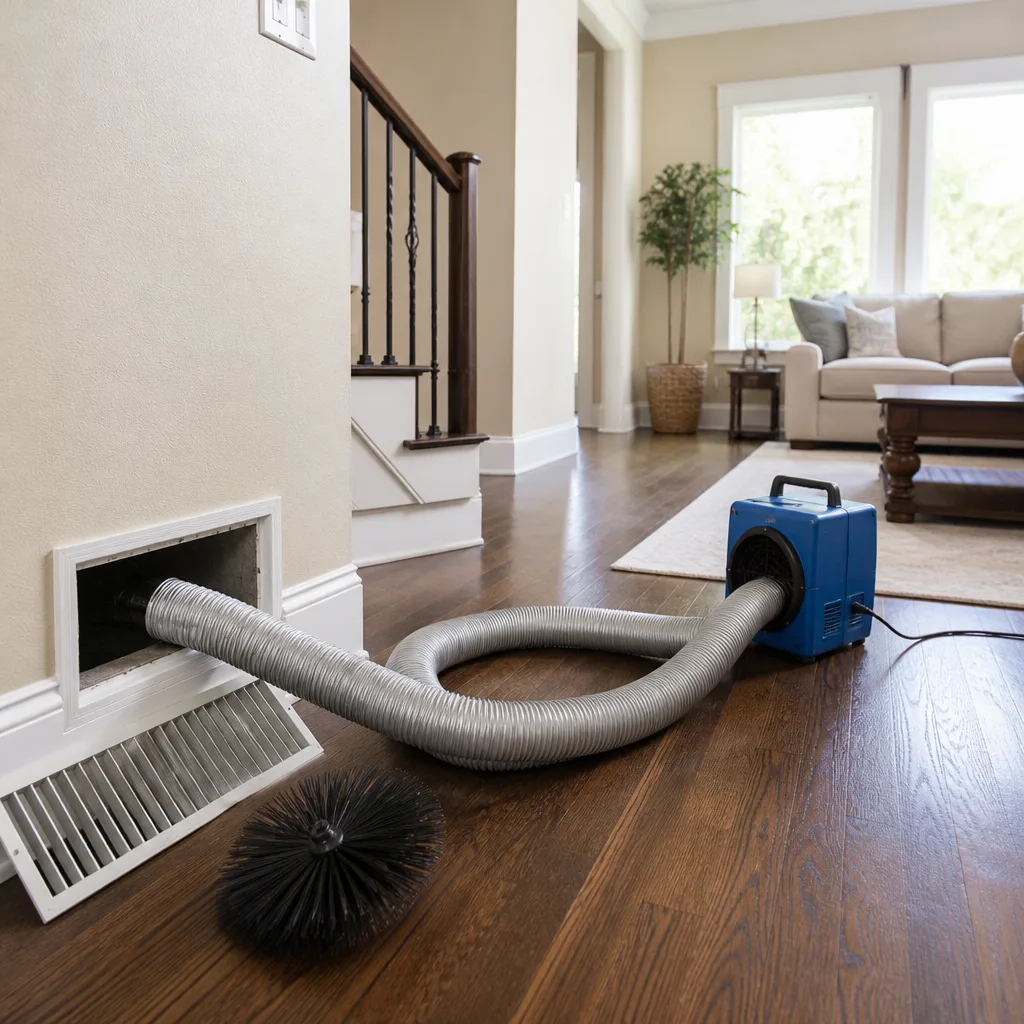 Whole-home duct cleaning
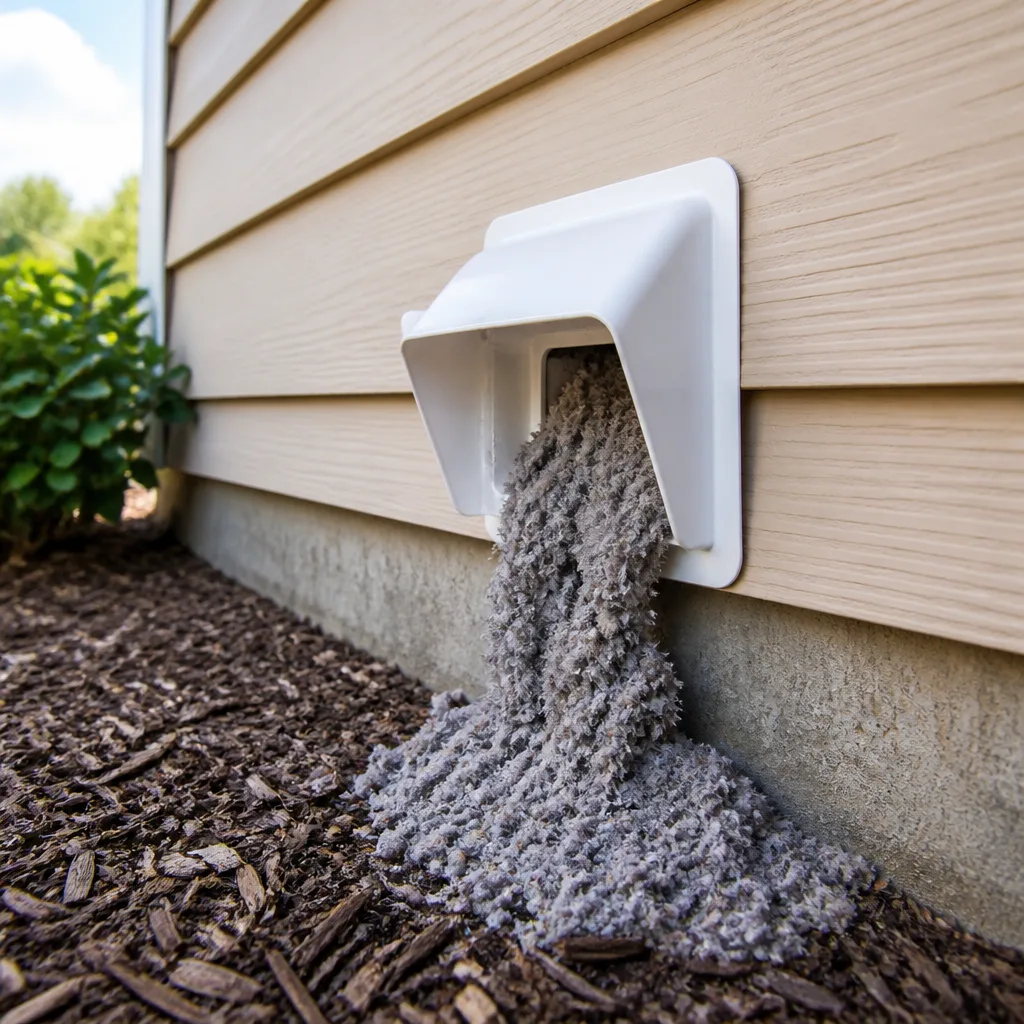 Dryer vent cleaning
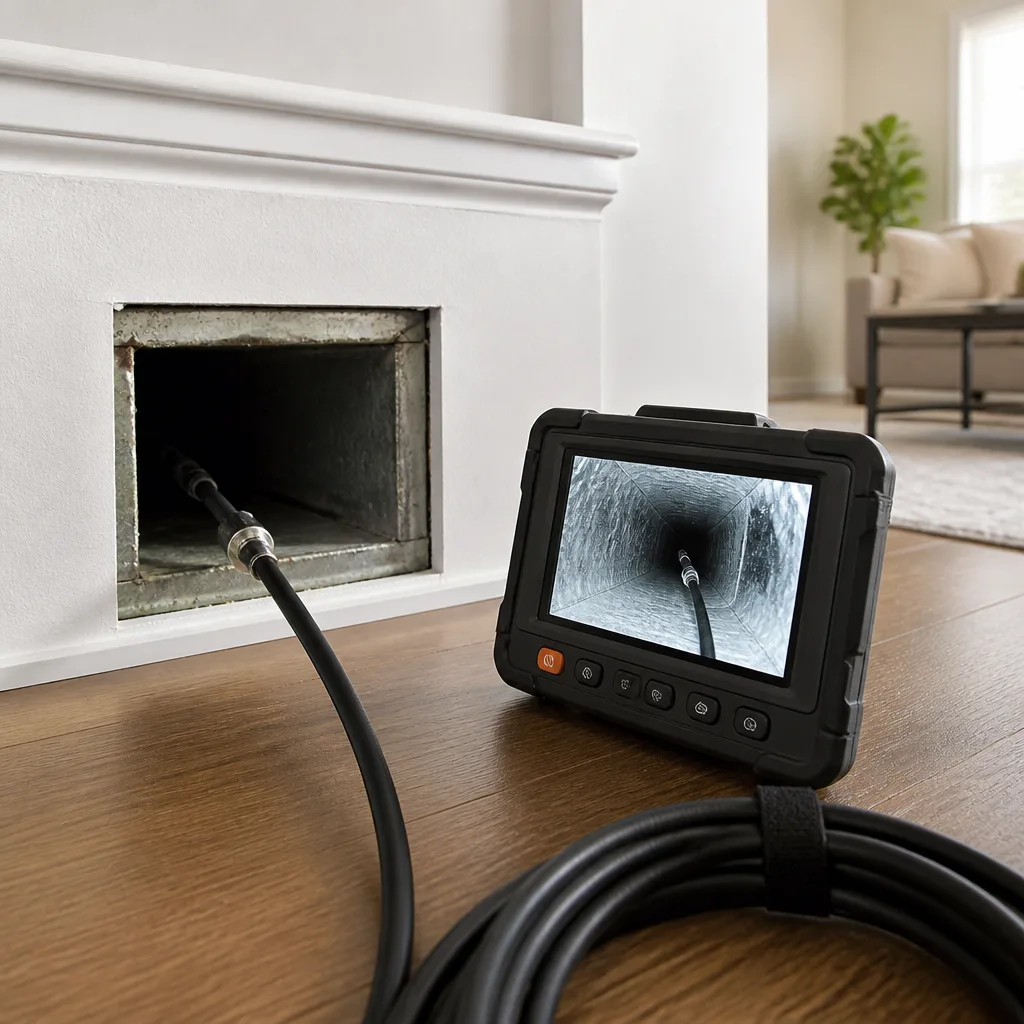 Camera inspection
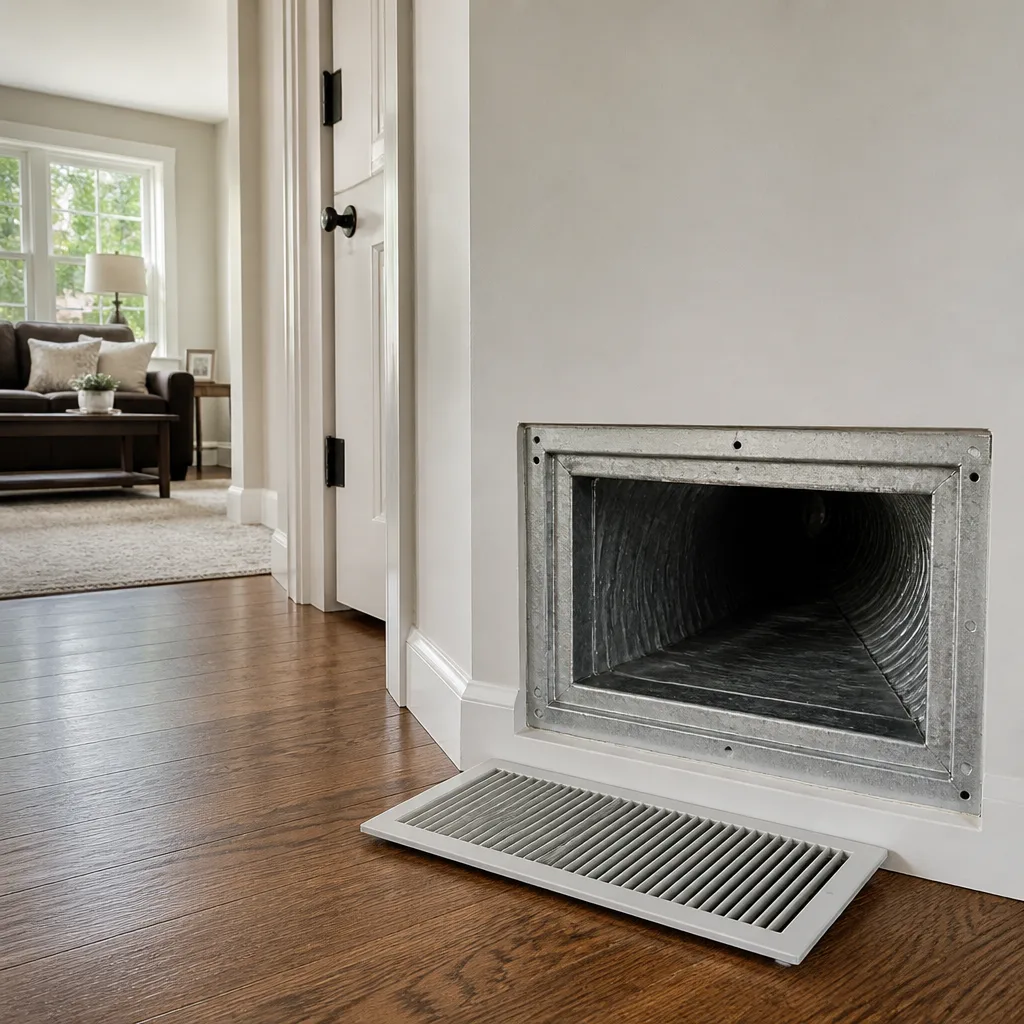 Sanitizing & deodorizing
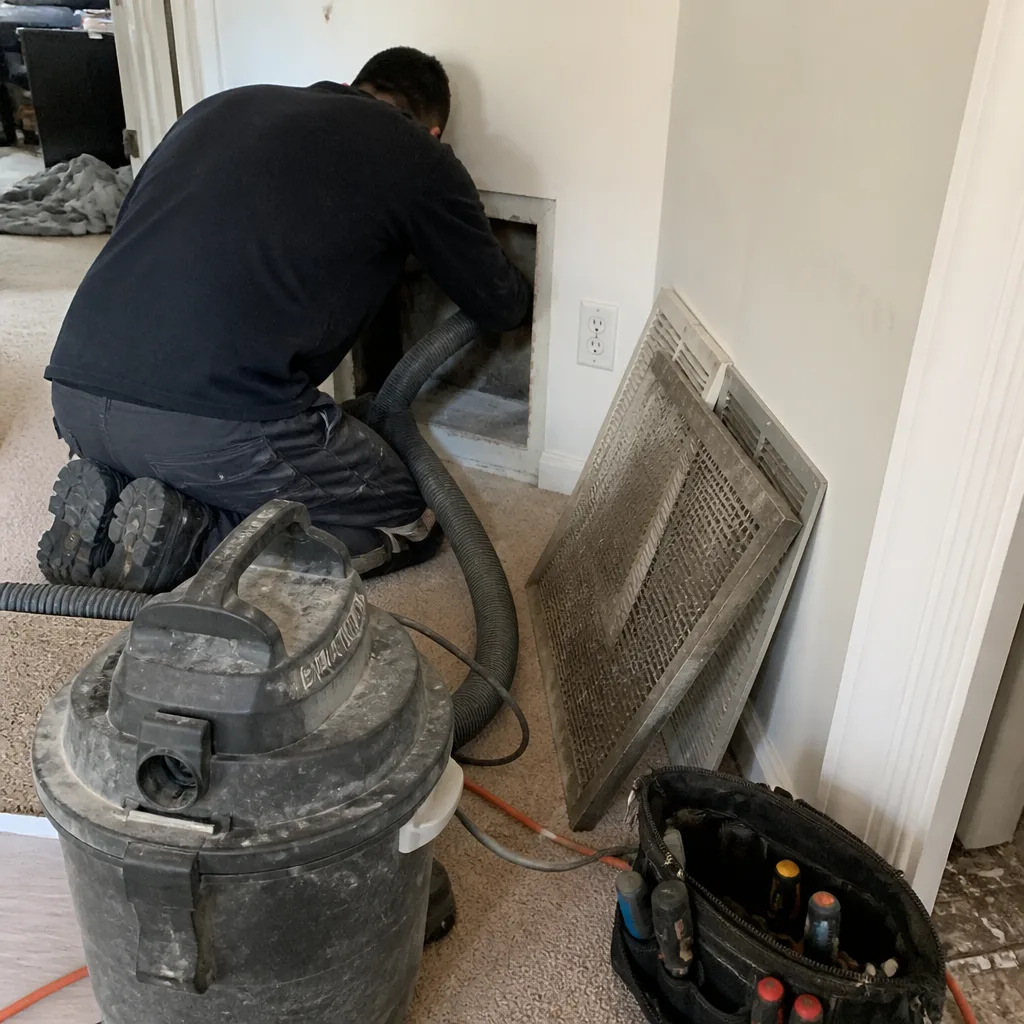
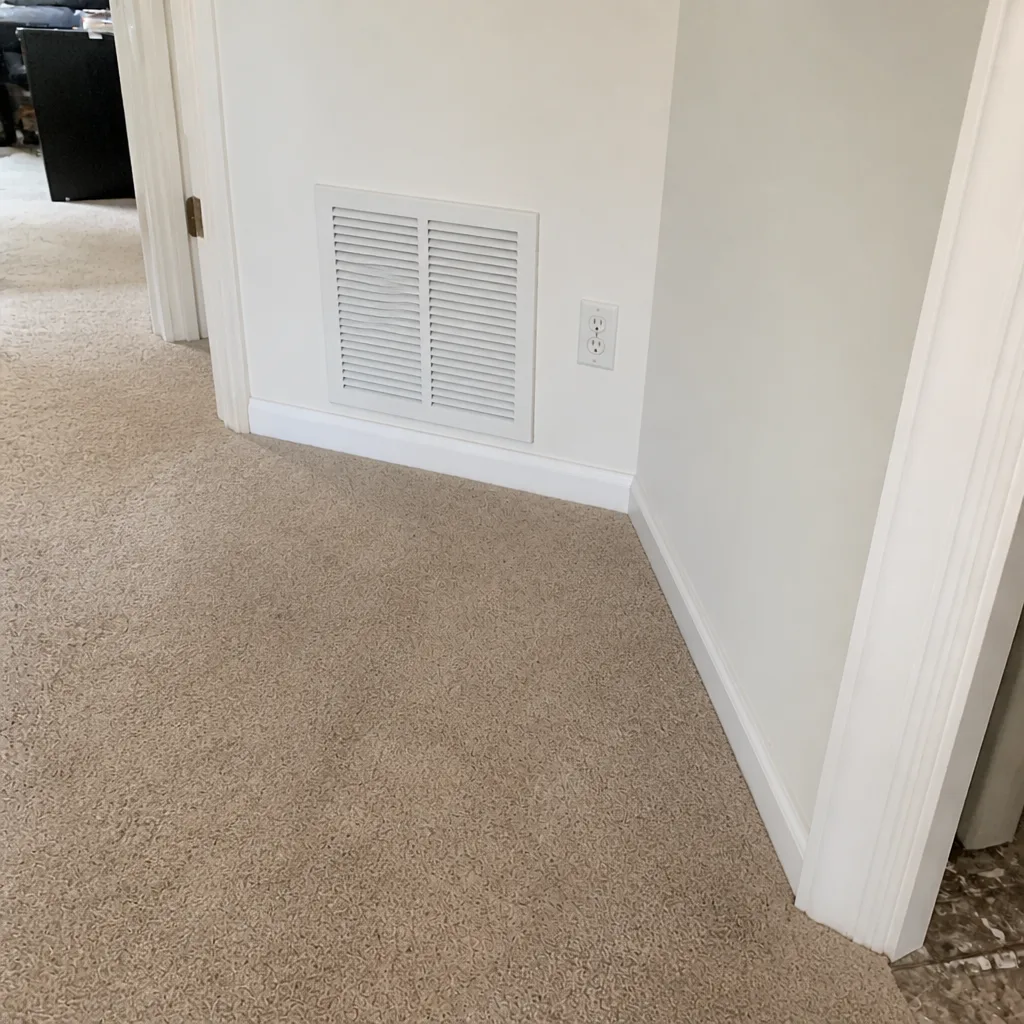
Whole-system duct and dryer vent check with before-and-after photos - you see exactly what came out of your vents
That "$99 whole-house special" is a bait ad - the real number appears once they are in your hallway, or the "clean" is a shop-vac at the register. We photograph the inside of your ducts before and after instead.
The Complete Guide to Air Duct Cleaning in Vallejo
Most duct cleaning advice you’ll read online was written for a generic house in a generic climate, and it shows. Vallejo isn’t generic. A large share of the city’s housing went up in the mid-century tract boom, alongside older Craftsman builds and post-WWII construction, and much of that ductwork was retrofitted for central air rather than engineered for it. Those systems collect debris, sag, and breathe differently than the rigid metal ducts the standard guides assume. This guide treats your ducts as the actual system they are. You’ll learn how Vallejo’s housing stock and humidity shape what’s inside your ducts, what a real cleaning involves, and how to verify the work.
Quick Answer
Air duct cleaning in Vallejo means using professional-grade equipment, most often a Rotobrush or Nikro system paired with negative-pressure containment, to remove accumulated dust, debris, and contamination from the entire duct system, not just the registers you can see. In Vallejo’s older homes, the job usually includes inspecting retrofitted flex duct for collapses and separations that trap debris differently than rigid metal. A proper cleaning follows the NADCA ACR standard, ends with before-and-after photos, and is priced as one flat rate per system agreed before any work begins.
Styles & brands we work with
- Whole-home duct cleaning
- Dryer vent cleaning
- Camera inspection
- Sanitizing & deodorizing
Table of Contents
- Why Vallejo’s Housing Stock Changes Everything
- Humidity From the Carquinez Strait and Mold Risk
- Flex Duct Retrofits: Why They Trap Debris
- How Wildfire Smoke Changed Vallejo’s Duct Contamination
- Truck-Mounted vs. Portable Equipment
- What the NADCA ACR Standard Actually Requires
- What Air Duct Cleaning Costs in Vallejo
- How to Verify the Work Was Done Right
Why Vallejo’s Housing Stock Changes Everything
The single biggest factor in how your ducts behave is when your house was built and how its ductwork went in. Vallejo has an unusually wide spread of construction eras packed into one city, and each era left behind a different kind of duct system.
Homes from the 1950s through the 1970s often started life without central air. When a later owner added it, the ductwork was typically routed through whatever space was available, attic, crawlspace, or wall cavities, rather than designed into the floor plan from the start. That retrofit work is often where the problems live.
Here’s what that means in practice across Vallejo’s neighborhoods:
- Mid-century tract homes: Frequently retrofitted with flexible duct that has since sagged, kinked, or separated at the joints. Debris settles in the low spots and never reaches the filter.
- Older Craftsman builds: Sometimes retain original rigid metal trunk lines with short branch runs. These hold up well but collect a dense, fine dust layer that only mechanical agitation will lift.
- Post-WWII construction: A mix of both, often with undersized returns that make the whole system work harder and pull more dust into the airstream.
A cleaning plan built for a modern house with engineered ductwork will miss most of this. In our experience, the Vallejo homes that benefit most from a professional cleaning are the ones where the ducts were added after the fact and never properly evaluated.
Humidity From the Carquinez Strait and Mold Risk
Vallejo sits where the Carquinez Strait funnels marine-influenced air into the region, and that brings a level of humidity that inland-focused duct cleaning guides simply don’t account for. Inland guides warn about dry dust. Vallejo homeowners need to think about moisture.
When humid air moves through a duct system that also carries cooled air, you get condensation on duct surfaces, especially in attics and crawlspaces where temperatures swing. That film of moisture is exactly what mold needs. Combined with the dust and organic debris already inside an older duct, it creates conditions where biological growth can take hold on duct linings and insulation.
What to watch for:
- A musty or earthy smell when the system first kicks on
- Visible dark staining or discoloration around registers
- Condensation or dampness on accessible duct runs in the attic or crawlspace
- Allergy-type symptoms that seem worse indoors than outdoors
This is one reason the equipment matters. A system that only vacuums loose dust won’t address contamination that’s clinging to duct walls. Professional-grade agitation, paired with the right filtration and, where needed, products like those from Abatement Technologies, is built for exactly this kind of higher-stakes air quality situation. If you suspect mold growth inside your ducts, a cleaning and a careful inspection should come before anything else. We can talk through what we’re seeing and what it means.
Flex Duct Retrofits: Why They Trap Debris
Flexible duct is everywhere in Vallejo’s retrofitted mid-century homes, and it behaves nothing like rigid metal. Understanding the difference explains why some ducts never seem to get clean.
Rigid metal duct is smooth, straight where it can be, and holds its shape. Debris settles in a predictable layer and a rotary brush lifts it cleanly. Flex duct is a corrugated plastic sleeve over a wire coil, and that corrugation catches everything. It sags between supports, creating low spots where dust and debris pool. It kinks at tight turns, restricting airflow and packing material into the pinch point.
The bigger problem is what happens over time:
- Sagging: Flex duct that loses support droops, and the droop becomes a debris trap.
- Separation: Joints pull apart, letting attic or crawlspace air, and everything in it, into the airstream.
- Collapse: Severe kinks or crushed sections cut airflow to whole rooms and hold debris permanently.
- Liner breakdown: The inner lining can deteriorate, shedding material into the air.
This is why cleaning and repair belong together. When a cleaning reveals a collapsed or separated run, the fix is a repair, not a second phone call. We handle air duct cleaning and duct repair as one scope so a compromised run gets corrected in the same visit rather than left as a problem for later.
How Wildfire Smoke Changed Vallejo’s Duct Contamination
Over the past five years, North Bay wildfire smoke events have changed what’s sitting inside Vallejo ducts. This isn’t a hypothetical. When smoke blankets the region for days, fine particulate matter works its way into homes through every opening, including the return side of your HVAC system, and much of it settles inside the ductwork.
Smoke residue behaves differently than ordinary household dust. It’s finer, it carries odor, and it coats duct surfaces in a way that a standard dusting won’t remove. Homes that run their systems during smoke events pull that particulate straight through the ducts and recirculate it.
If your home has been through several smoke seasons, watch for:
- A smoky or stale smell that lingers after the smoke has cleared outside
- Visible grayish film on register grilles and nearby surfaces
- Increased allergy or irritation symptoms during and after smoke events
- Ducts that haven’t been cleaned since before the smoke seasons began
For homes in this situation, the goal is thorough removal of settled particulate plus attention to the filter side of the system. Upgrading filtration with equipment from names like Aprilaire, and confirming the duct itself is clean first, gives the new filter something to protect.
Truck-Mounted vs. Portable Equipment
Here’s a distinction most quotes won’t explain, and it matters for Vallejo’s longer duct runs. The cleaning equipment determines how much debris actually leaves your house.
A truck-mounted negative-pressure system generates strong, sustained suction and holds it across long duct runs, which is exactly what ranch-style homes with extended trunk lines need. A portable unit works from inside the house, and while good portables have their place, they can struggle to maintain suction on longer runs, especially when flex duct adds resistance.
What to look for in the equipment itself:
- Purpose-built duct cleaning systems: Rotobrush and Nikro are professional systems designed for duct interiors, with rotary agitation and HEPA filtration. These are not shop-vacs with attachments.
- Negative pressure containment: The system should pull air and debris out while keeping the rest of your home clean.
- Rotary agitation: Brushes and whips that physically scrub duct walls, because vacuum alone won’t lift adhered debris.
- Source removal, not fogging: Real cleaning removes the contamination. It doesn’t just perfume the air.
In our experience, the equipment gap is the single biggest reason two quotes for the same house can differ so widely. If a quote doesn’t name the system, ask. If the answer is vague, that tells you something.
What the NADCA ACR Standard Actually Requires
The NADCA ACR standard is the industry benchmark for duct cleaning, and knowing what it requires lets you judge any company’s work on your own. Here’s the process, step by step.
- Inspection first: The system is inspected and its condition documented before cleaning begins, including any problems found.
- Containment: The work area is protected and negative pressure established so debris doesn’t escape into living spaces.
- Source removal: Debris is physically removed from all duct surfaces, supply and return, using agitation and vacuum together.
- Component cleaning: Registers, grilles, and accessible components are cleaned as part of the job.
- Post-cleaning verification: The system is checked after cleaning to confirm the work is complete.
- Before-and-after documentation: Photos of your own ducts show what changed.
One honest note on scope. The standard covers cleaning and verification. It does not cover mold remediation, and we don’t offer that. If an inspection turns up a mold problem beyond surface contamination, that’s a separate specialty and we’ll tell you so.
What Air Duct Cleaning Costs in Vallejo
Air duct cleaning in Vallejo is priced as a flat rate per system, not per vent. That matters, because per-vent pricing is where the low-ball quote turns into a much larger invoice once the technician is on site. The table below shows typical estimated ranges so you have a realistic picture before you call.
| Service | Typical Estimated Range |
|---|---|
| Whole-home air duct cleaning | One flat rate per system, set by written estimate |
| Dryer vent cleaning | Flat rate per vent run, by written estimate |
| Air duct repair | Per repair, quoted after inspection |
We don’t publish teaser prices, and we won’t quote per vent. Here’s what you should know about the numbers:
- The price is agreed in writing before any work starts, and that’s the price.
- Repairs discovered during cleaning are quoted separately, so there are no surprises.
- Before-and-after photos of your own ducts are part of the job.
- The estimate is free.
Why are some quotes so much cheaper? Usually because the quote isn’t for the same job. A low figure often means a quick surface pass with a portable unit, no containment, no source removal, and a per-vent price that balloons. The honest comparison is between full-system jobs done to the ACR standard.
How to Verify the Work Was Done Right
You don’t have to take any company’s word for it. The work is verifiable, and a professional company expects you to check.
- Look at the before-and-after photos. They should show your actual ducts, not stock images.
- Ask what equipment was used. A named system (Rotobrush, Nikro, and the like) is a good sign.
- Check containment. Your home should be as clean after the visit as before it.
- Confirm both supply and return were cleaned. A partial job isn’t a cleaning.
- Note the smell afterward. Clean ducts smell neutral. Lingering fragrance likely means fogging instead of cleaning.
- Get the repair findings in writing. If something was found, it should be documented and quoted.
If they can’t show you photos of your own system, ask why. This is the core of dryer vent cleaning and duct work alike: proof, not promises.
Common Mistakes to Avoid
- Hiring on price alone. The cheapest quote usually isn’t the same scope. It’s a portable vacuum pass with no containment, and the real cost shows up later.
- Accepting per-vent pricing. Vallejo’s longer duct runs in ranch homes make per-vent quotes unpredictable. A flat rate per system is the only figure you can trust.
- Skipping the repair question. In older Vallejo homes, cleaning can reveal collapsed flex runs. Ask up front whether the company can repair what it finds.
- Cleaning without addressing humidity. In Vallejo’s climate, moisture matters. A cleaning that ignores dampness and biological growth isn’t a complete job.
- Believing a quick fog will do it. Fogging doesn’t remove debris. Source removal does.
- Forgetting the dryer vent. It’s a separate fire-safety measure and it’s easy to overlook when you’re focused on air quality.
- Not asking for photos. Without before-and-after documentation, you have no way to verify the work happened.
See the difference
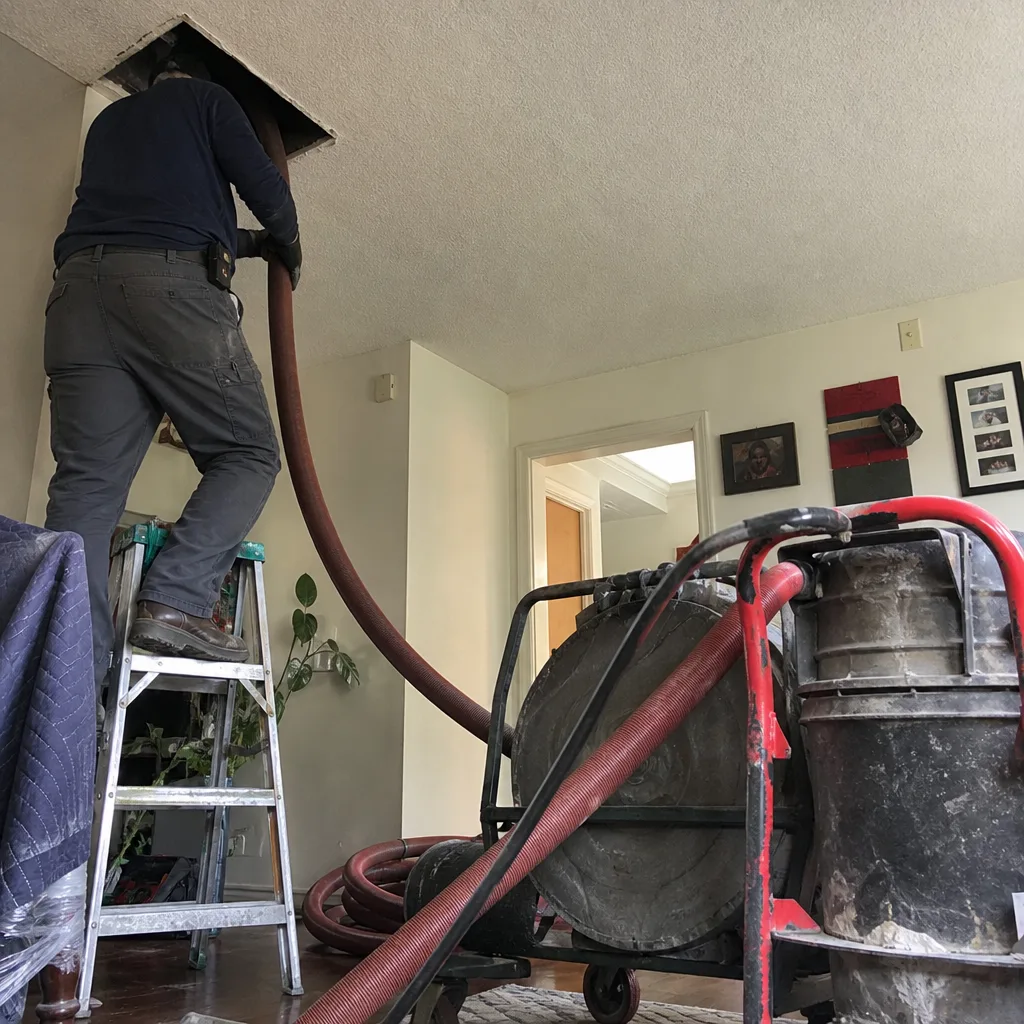 Before
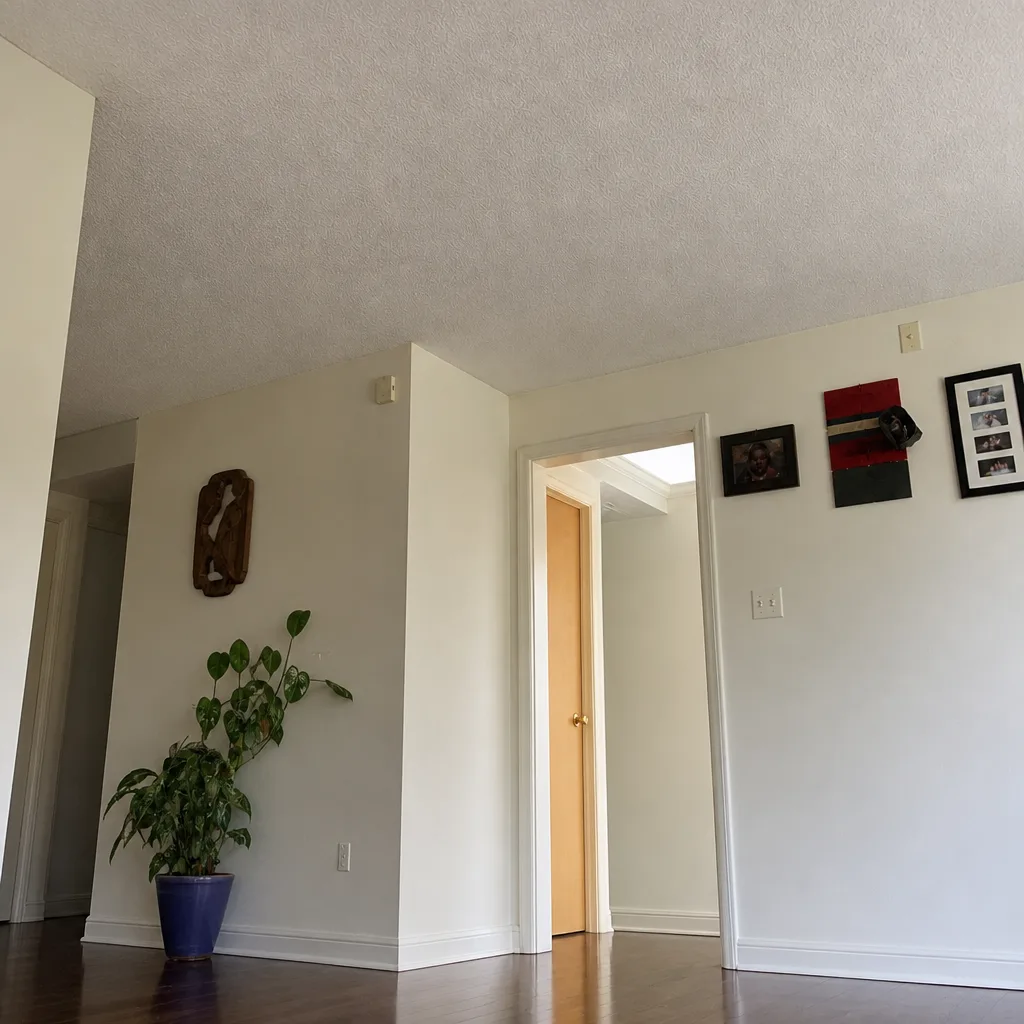 After
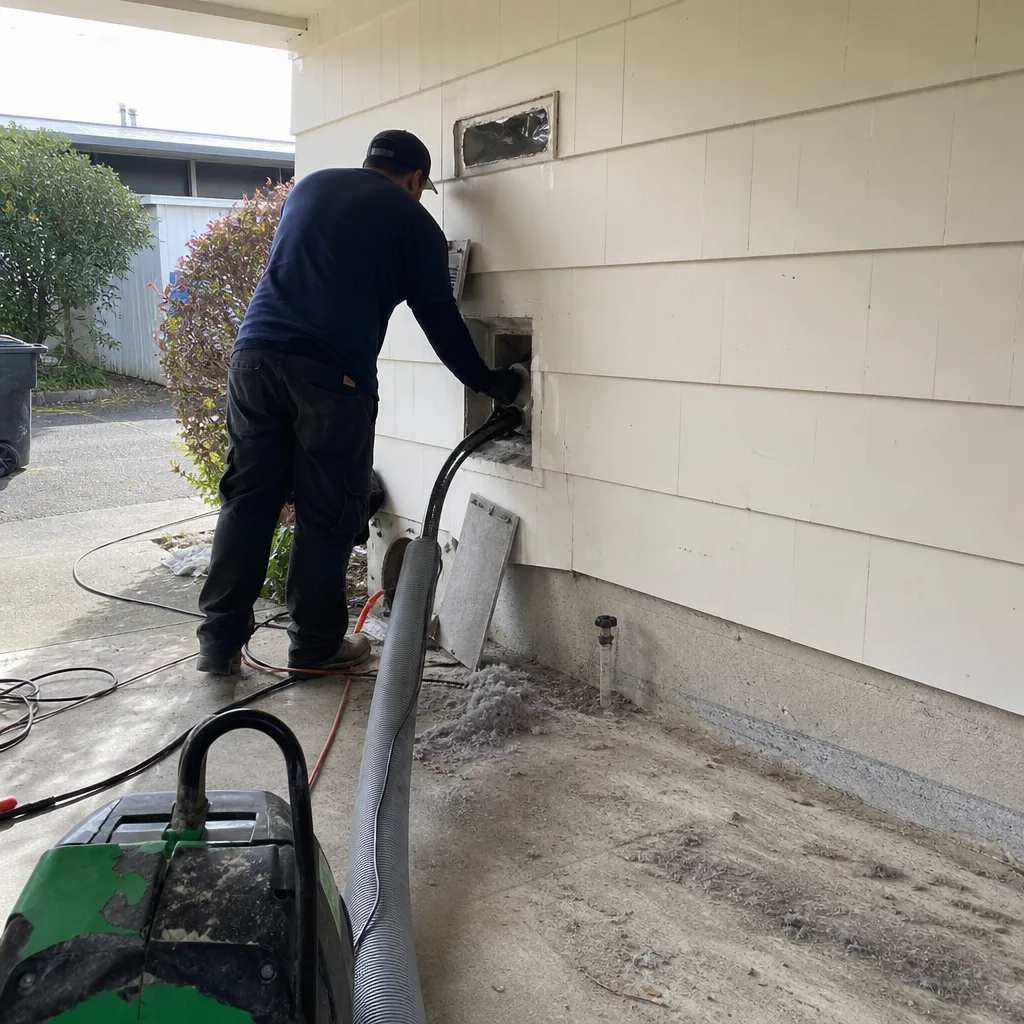 Before
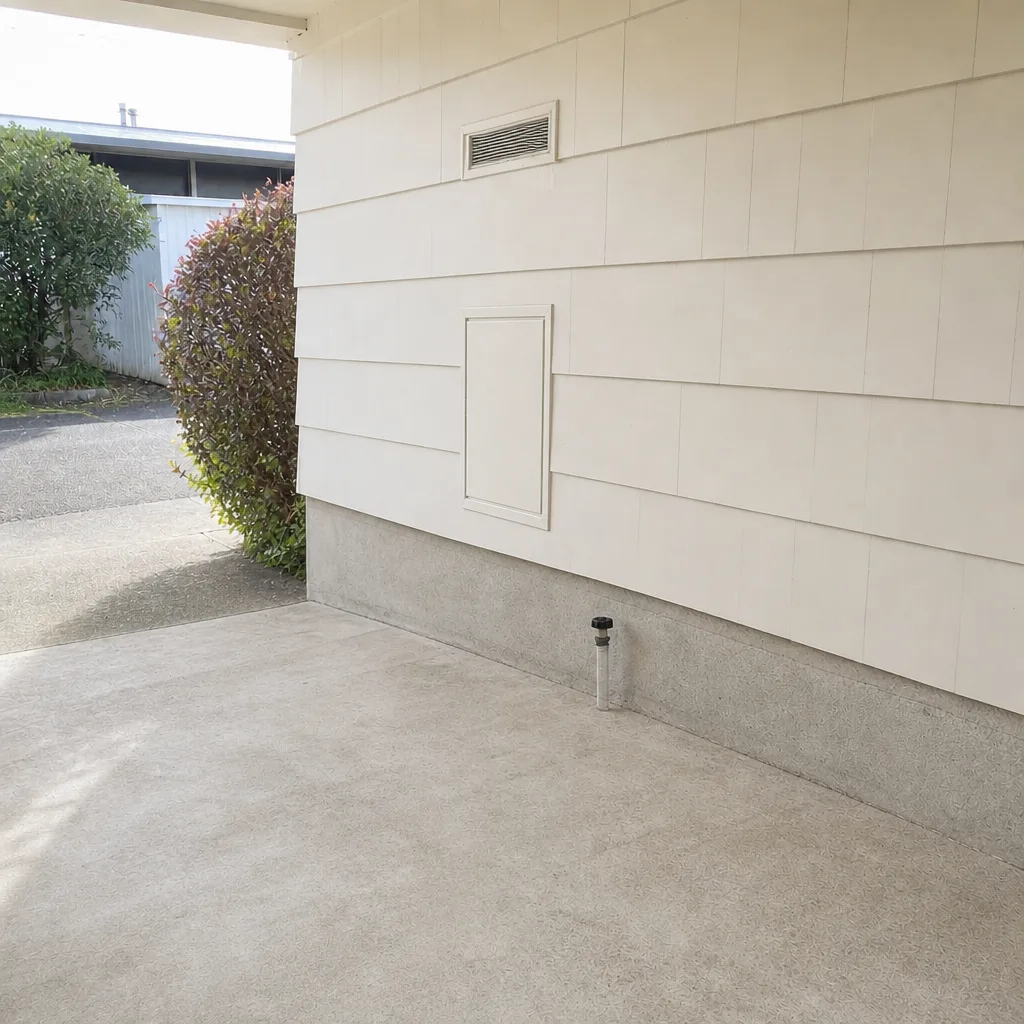 After
 Before
 After
When to Call a Professional
Some situations clearly call for a professional. If you’ve just moved into an older Vallejo home with no service history, a cleaning and inspection gives you a baseline. If anyone in the house has allergy or respiratory symptoms that worsen indoors, the ducts deserve a look. If you’ve been through several North Bay smoke seasons without a cleaning, that’s a reason to schedule one. If you notice musty smells, dampness on duct runs, or visible staining at registers, it’s time to call. And if your dryer takes noticeably longer to dry clothes, get the vent checked. Duct Cleaning Vallejo offers free estimates in Vallejo. Call (844) 859-6986. We answer 24/7. Fast dispatch from 7am to 7pm, Sunday through Friday.
Frequently Asked Questions
It’s priced as one flat rate per whole system, agreed in writing before work starts, and the estimate is free. We don’t quote per vent, because that’s how low-ball figures turn into bigger invoices on site. Call (844) 859-6986 for an exact quote.
There’s no fixed schedule that fits every home. Older Vallejo homes with retrofitted flex duct, homes affected by wildfire smoke, and homes with pets or recent renovations tend to need it sooner. An inspection tells you what your system actually needs. Call (844) 859-6986 to set one up.
Usually because it’s not the same scope. A cheap quote often means a portable unit, no containment, and a quick pass rather than source removal to the ACR standard. Ask what equipment they use. Call (844) 859-6986 for an honest, full-scope estimate.
You get before-and-after photos of your own ducts, plus a written record of anything found. That’s the standard we hold to. Call (844) 859-6986 and ask to see examples.
Yes. We offer duct repair as a separate service, so a collapsed or separated flex run can be corrected in the same visit rather than handed off to another contractor. Call (844) 859-6986 to discuss what you’re seeing.
Yes, as a dedicated service. Dryer vent cleaning is a fire-prevention measure and a separate job from air duct cleaning. Call (844) 859-6986 to book it alongside your duct work.
The Bottom Line
Vallejo ducts aren’t generic. The city’s mix of mid-century tract homes, older Craftsman builds, and post-WWII construction means many systems were retrofitted rather than engineered, and that shapes everything from how debris collects to what a cleaning needs to accomplish. Marine-influenced humidity from the Carquinez Strait adds a moisture dimension inland guides ignore. North Bay smoke seasons have added a layer of fine particulate. A real cleaning is a full-system, standard-driven job with the right equipment and photos to prove it. Duct Cleaning Vallejo connects you with independent local professionals who do exactly that. Call (844) 859-6986 for a free estimate.
For more on what we do across the city, see Vallejo and start at Duct Cleaning Vallejo.
Written by the team at Duct Cleaning Vallejo.