
Last updated November 15, 2026
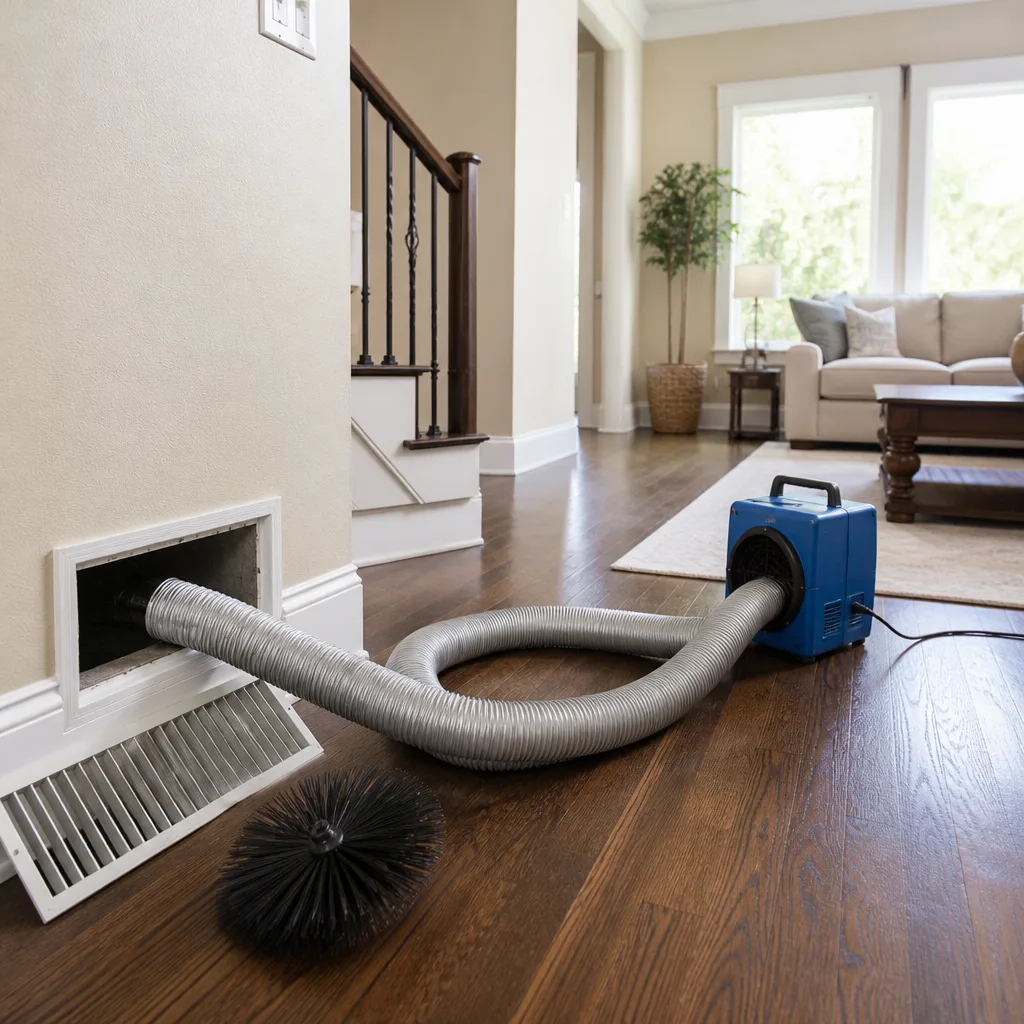 Whole-home duct cleaning
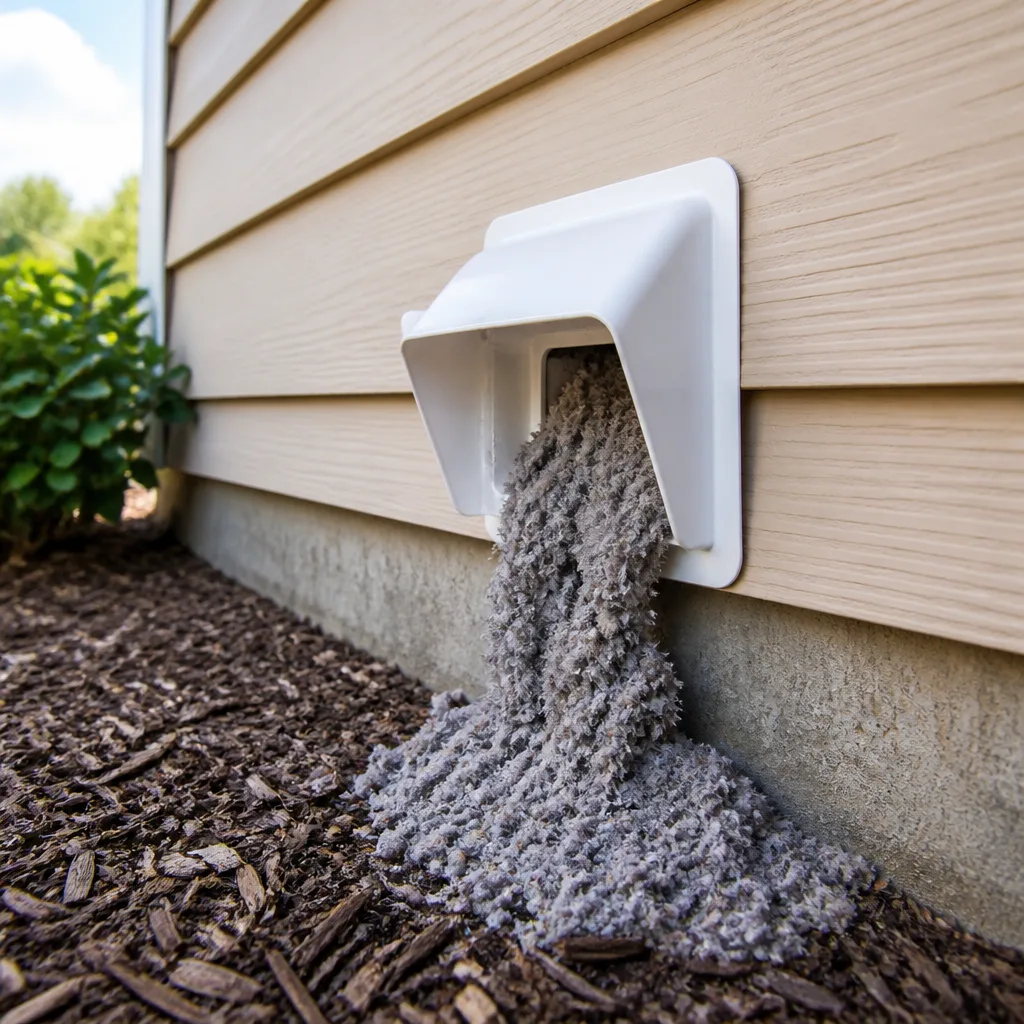 Dryer vent cleaning
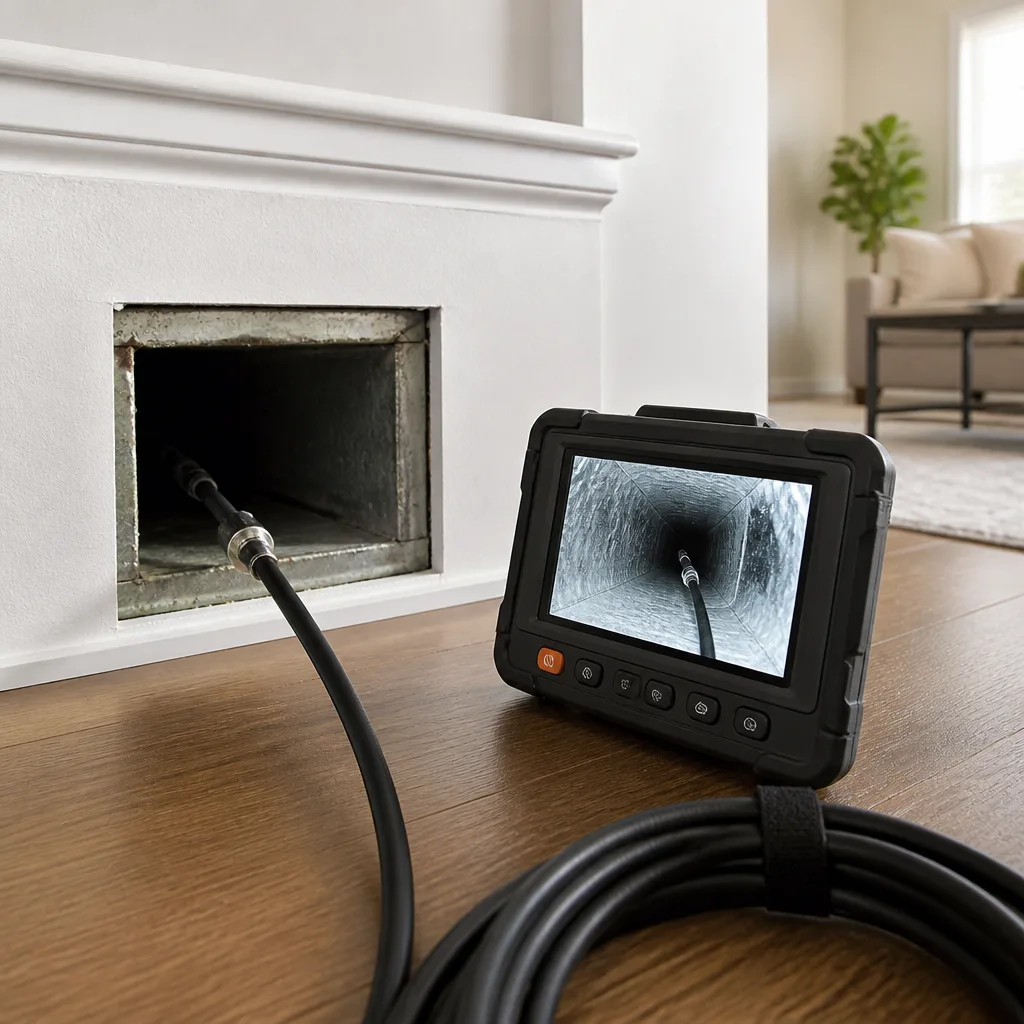 Camera inspection
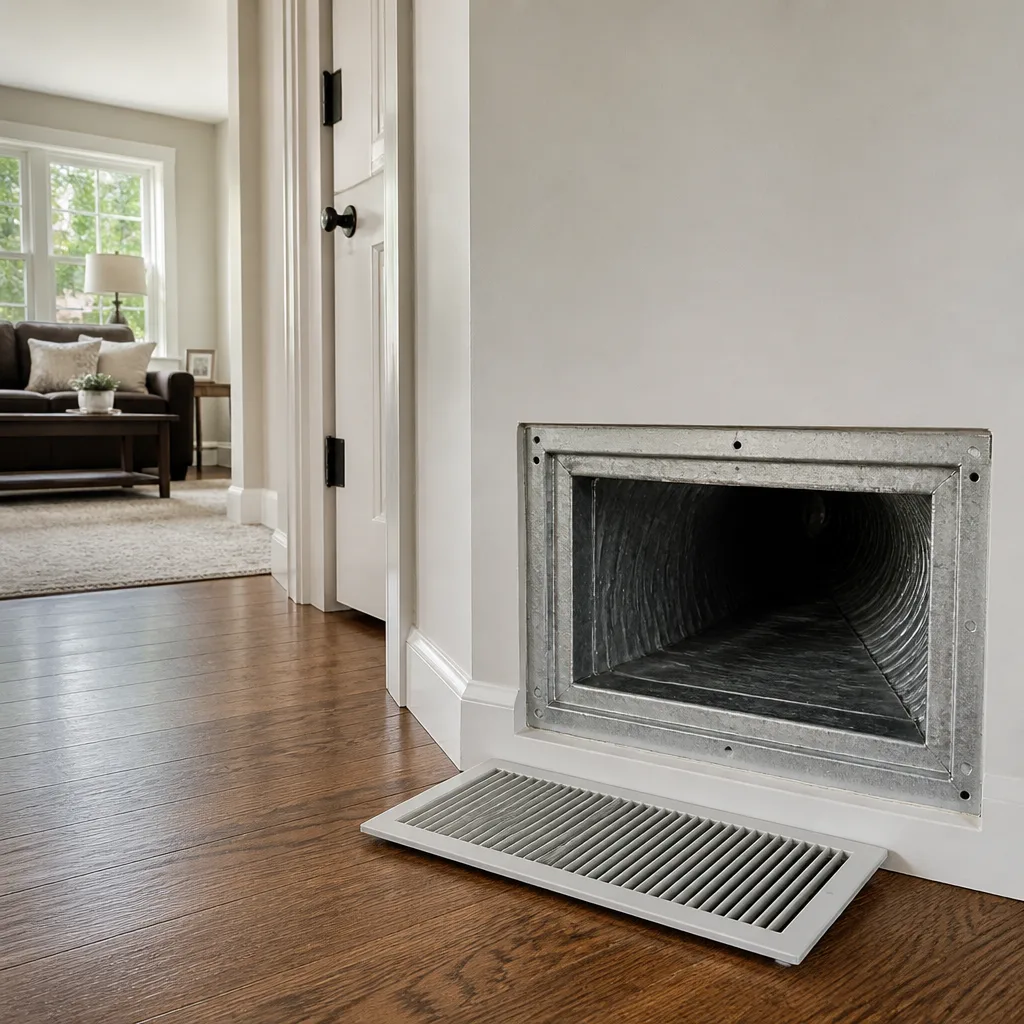 Sanitizing & deodorizing
Whole-system duct and dryer vent check with before-and-after photos - you see exactly what came out of your vents
That "$99 whole-house special" is a bait ad - the real number appears once they are in your hallway, or the "clean" is a shop-vac at the register. We photograph the inside of your ducts before and after instead.
Air Duct Cleaning Warning Signs: A Vallejo Homeowner’s Reference Guide
By the time you can smell a duct problem or see debris piling up at a register, the condition behind it has usually been building for months. That’s the part most homeowners miss. A duct system doesn’t announce trouble with a single obvious event; it fails slowly, and the useful warning signs show up long before the smell or the visible mess. This guide is organized by where in the system a problem starts, because that’s what tells you whether you’re looking at a cleaning issue, a repair issue, or an airflow problem upstream of everything. We’ll walk through register-level clues, HVAC performance changes, filter loading, odor patterns, and the specific risk factors that come with living in different parts of Vallejo.
Quick Answer
The most reliable early warning signs of a duct problem are a filter that loads up much faster than it used to, rooms that never heat or cool evenly, longer HVAC runtimes with less air, dust that keeps returning to the same registers, and any musty or chemical smell from a supply vent. Those signals point to debris, a failing duct lining, or a leak before anything visible shows up. In Vallejo, homes with crawl space ductwork and older hillside neighborhoods tend to develop these signs earlier because of how their systems are built and situated.
Styles & brands we work with
- Whole-home duct cleaning
- Dryer vent cleaning
- Camera inspection
- Sanitizing & deodorizing
Table of Contents
- Register-Level Warning Signs
- HVAC Performance Signals That Point to Ductwork
- Filter Loading Rate as a Diagnostic Tool
- Smell Differentiation: Musty, Dusty, Chemical
- Vallejo-Specific Risk Factors
- How to Tell a Cleaning Job From a Repair Job
- A Step-by-Step Home Inspection You Can Do
- Common Mistakes to Avoid
- When to Call a Professional
Register-Level Warning Signs: Reading Dust Patterns Correctly
Every register collects some dust. That’s normal, and it’s not a warning sign on its own. What matters is the pattern. There’s a real difference between a light film that wipes off easily and darker, uneven deposits that keep coming back after you clean them, or streaks that track along the seams of the vent. Those patterns tell a story about what’s happening upstream in the air duct cleaning side of the system rather than just at the surface.
Here’s how to read the difference:
- Uniform light film: Normal. Wipe it down occasionally and move on.
- Dark, greasy-looking streaks along seams: Often points to duct lining breakdown. The interior coating or insulation is shedding particles that get pushed out at the register.
- Localized debris concentrated at one or two registers: Suggests a specific branch of ductwork is compromised or that something upstream is dropping material into that run.
- Small pellets, sand-like grit, or fine fibers: A red flag for pest activity or deteriorating flex duct interior. Pest activity in ductwork leaves droppings and nesting material that a shop vac won’t address.
- Black specks that smear when pressed: Can indicate soot, adhesive breakdown, or biological growth. This one deserves a professional look.
The register closest to the air handler often shows the earliest signs, because that’s where the first material drops out of the airstream. In our experience, when one register in a Vallejo home looks noticeably worse than the rest, the answer is almost always in the duct run feeding it, not the register itself. Cleaning resolves dust. Repair resolves the pattern that keeps making the dust.
HVAC Performance Signals That Point to Ductwork
Your HVAC system is telling you things long before it fails. The trouble is most homeowners attribute those signals to the equipment on the outdoor pad or in the closet, not the ducts tucked into the attic or crawl space. When airflow gets obstructed by debris, a collapsed flex duct, or disconnected joints, the symptoms show up as changes in how the system behaves. Three of the most useful are runtime, temperature differential, and cycling behavior.
- Longer runtime. If the system used to satisfy the thermostat in a set amount of time and now runs noticeably longer to reach the same temperature, the air handler is pushing against resistance. Obstruction in the ductwork is a common cause, especially if the filter isn’t the culprit.
- Lost temperature differential. A properly working system delivers air at a meaningfully different temperature than the return air. If supply air feels lukewarm or less cold than it used to, that can point to a leak in the duct run that’s bleeding conditioned air into the attic or crawl space before it ever reaches the room.
- Short cycling or repeated restarts. Restricted airflow can cause pressure issues that trip safety controls. It can also make a system reach a setpoint in one zone quickly while another stays stubbornly off-target, which sends the whole system into a start-stop loop.
One or two rooms that never seem to get the air they should is the most common form of this in Vallejo. That’s often a branch-level obstruction or a poorly sealed junction rather than a compressor problem. When you’re evaluating those symptoms, filters come first, then the ducts. The equipment itself is usually the last place to look. Addressing ductwork obstruction with professional-grade equipment is what moves the needle on performance, which is why we work with Rotobrush and Nikro systems rather than improvised tools.
Filter Loading Rate as a Diagnostic Tool
Here’s the single best early-warning test you can run yourself. Track how often your filter needs changing. If a filter that used to last 90 days is now loading up in 30, that’s the system telling you where the problem lives. The filter isn’t the disease; it’s the symptom sheet.
A filter captures what reaches it. When it loads up faster than normal, something is putting more particulate into the return airstream. There are three common places that particulate originates:
- Ductwork debris. Years of accumulated dust, pet hair, and construction residue inside the system gets stirred back into the airstream and lands on the filter.
- Compromised duct lining. If the interior coating or insulation is breaking down, the material itself is now part of the dust loading the filter.
- A leak or open joint on the return side. A return leak pulls air from a crawl space, attic, or wall cavity, along with whatever dust and insulation particles come with it.
To trace it upstream, note the color and texture of the filter when you change it. Uniform gray dust is normal. Black or dark dust, gritty material, or visible fibers are all worth investigating. In a Vallejo home, a filter that loads fast on a crawl space system often points to a return-side leak that’s drawing in crawl space air. The fix combines cleaning and a duct repair, and that’s why we keep both capabilities in the same service rather than handing you off to a second contractor.
Smell Differentiation: Musty, Dusty, Chemical
Odors are the last warning sign to show up, not the first. If you’re already smelling something, the condition behind it has had months to develop. But the type of smell matters, because different odors point to different duct conditions. Learn to tell them apart and you’ll know what kind of service to ask for.
- Musty or damp-earth smell from supply registers. Usually points to moisture inside the duct system. In crawl space installations, this is the most common odor complaint, and the ductwork is often cooler and damper than the surrounding air. Musty odors from a duct system are a sign of a condition that needs both cleaning and a look at why the moisture is getting in.
- Dusty, dry, stale smell. The mildest version, this one is the signature of accumulated debris being pushed out of the supply registers. It’s the most common reason a homeowner starts looking into duct cleaning, and it usually responds well to a full professional cleaning.
- Chemical or sharp smell. A chemical odor can point to adhesive or coating breakdown, or something else in the system that isn’t a plain dust issue. This is worth investigating with more care than routine cleaning and is where our Abatement Technologies capability comes into play for higher-stakes air quality situations.
- Burning, electrical, or hot-plastic smell. Stop using the system and get it looked at. That’s outside the scope of duct cleaning and points to an equipment issue.
When we evaluate a duct system, we treat smell as one input among several, not the deciding one. The pattern-level clues and filter loading usually tell us more than the smell alone.
Vallejo-Specific Risk Factors: Where Problems Start First
Where a home sits in Vallejo changes which warning signs you’re most likely to see first. That’s not a marketing claim; it’s a function of the housing stock, how duct systems were installed in different parts of the city, and the way those systems interact with local conditions.
A few patterns we’ve learned to expect:
- Homes near the Carquinez waterfront. Outdoor humidity here runs higher than in inland neighborhoods. That raises the risk of moisture-related warning signs, particularly musty smells from supply registers and duct lining that’s softened over time. If you live close to the water, pay attention to odor before anything else.
- Older hillside neighborhoods. Hillside homes in Vallejo often have duct systems with longer runs, more joints, and more opportunities for a compromised connection. That means more airflow problems, more branch-level debris patterns, and a higher chance that a filter loading fast is a sign of a leak rather than just a dirty system.
- Homes with crawl space ductwork. This is the most common elevated-risk setup in Vallejo. Crawl space ducts sit in cooler, more humid air than the living space, and their connections see more strain over time. A return-side leak in a crawl space system pulls in soil and insulation particles that show up at the filter and the registers.
- Homes with long flex duct runs. Flex duct is easy to install but sensitive to sag and kinks. A sagging section of flex duct creates a low point where dust settles and airflow drops, so it reads as an HVAC performance problem when it’s really a ductwork issue.
Living in Vallejo also means the housing stock varies widely by neighborhood. Older homes typically have original or lightly updated ductwork from a different era of construction; newer builds often have flex duct in tight attic runs. Both can develop the warning signs above; the difference is which ones show up first. Our technicians have up to 11 years of experience reading systems across the city, and their first step on any call is understanding which of these profiles the home fits.
How to Tell a Cleaning Job From a Repair Job
Not every warning sign means the same thing. One of the most useful things we do for a homeowner is draw the line between a cleaning job and a repair job. Getting that line wrong is where money gets misspent and problems get missed.
Here’s how to think about it:
- Debris and dust patterns alone. If the registers show uneven dust but no fibers, no sagging, no leaks, and the filter loading rate is stable, you’re likely looking at cleaning. That’s the straightforward case.
- Dust plus filter loading that’s accelerating. This usually points to active material entering the system, which means a leak or a deteriorating lining. Cleaning alone won’t fix that pattern. Cleaning plus a repair does.
- Specific rooms that won’t get air. Almost always a branch-level issue. The duct run needs investigation, not just a general cleaning. A collapsed or disconnected section needs to be repaired, not vacuumed around.
- Smell that doesn’t clear after cleaning. If smell persists after a full cleaning, the source is downstream or adjacent to the ductwork and a repair-level investigation is in order.
- Visible sagging or kinked flex duct. That’s a repair, full stop. Cleaning a sagging duct leaves the problem in place.
We can tell the difference on-site. That’s the practical reason we handle Duct Cleaning Vallejo service alongside repair: making the call is part of the job, not a sales pitch, and no second contractor is needed when a cleaning call turns up a repair need. Your ducts, our systems, and a clear answer about what the system actually needs.
A Step-by-Step Home Inspection You Can Do This Weekend
You don’t need special tools to catch most of these warning signs early. You need a systematic pass through the system, in the right order. Here’s how we’d suggest walking your own home.
- Start at the filter. Note the color and texture. If you have a spare previous filter, compare. Look for black dust, fibers, or grit.
- Check the filter loading interval. If you don’t already track it, write the install date on the filter edge with a marker. Compare the next change against the last.
- Walk every room and check the registers. Note the dust pattern. Look for dark streaks, small pellets, fibers, or a localized heavy deposit at one register.
- Run the system and feel the supply air. With the filter fresh and the system running, feel the air at each register. Compare rooms. Note any register where the airflow is noticeably weaker.
- Smell the air at each supply register, room by room. Note any musty, dry, or chemical smell. If you only smell it at one register, that’s important information.
- Walk the duct runs you can see. In the attic or crawl space, look for sagging flex duct, kinked sections, loose tape at joints, or disconnected runs. Don’t open anything sealed or move materials unnecessarily.
- Note timing changes. If you can recall how long the system used to take to satisfy the thermostat, compare it to now. Write down the difference. It’s the kind of detail a technician will ask about.
Walking through the home in that order gives you a way to describe what you’re seeing clearly. When a technician comes out, that description shortens the diagnostic and gets to the right answer faster. It also tells you which warning signs you’re seeing together, which is often more diagnostic than any single one.
Common Mistakes to Avoid
These are the patterns we see most often in Vallejo homes: mistakes that make a duct problem harder to fix or more expensive to address once it’s finally caught.
- Judging the system only by the smell. Odor is a later-stage signal. If you’re waiting to smell something before acting, you’ve usually given a problem months to compound.
- Replacing the filter every month and calling it solved. If the filter loads faster than it used to, the answer is finding the source, not buying more filters. The filter is doing its job; the system around it isn’t.
- Attributing performance drops to the HVAC equipment first. Longer runtimes, weak supply air, and uneven rooms are often ductwork problems, not equipment problems. Getting a duct assessment before replacing equipment saves money and fixes the right thing.
- Assuming all cleaning services use the same equipment. A shop vac and a purpose-built professional system produce different results, and the low quote usually reflects the difference. Ask what equipment a company uses before you book.
- Ignoring crawl space duct runs because they’re hard to access. In Vallejo, crawl space ducts are the most common place a warning sign is developing unseen. If you’ve never had those runs inspected, that’s worth doing.
- Stopping short at cleaning when the ductwork needs repair. Cleaning a compromised duct system leaves the underlying problem in place. If the technician finds a leak or a collapsed section, get the repair done rather than scheduling round two later.
- Believing one cheap quote is the whole picture. A low teaser price that grows once the technician is on-site is the industry’s reputation problem. Ask for a written estimate per system before any work starts.
See the difference
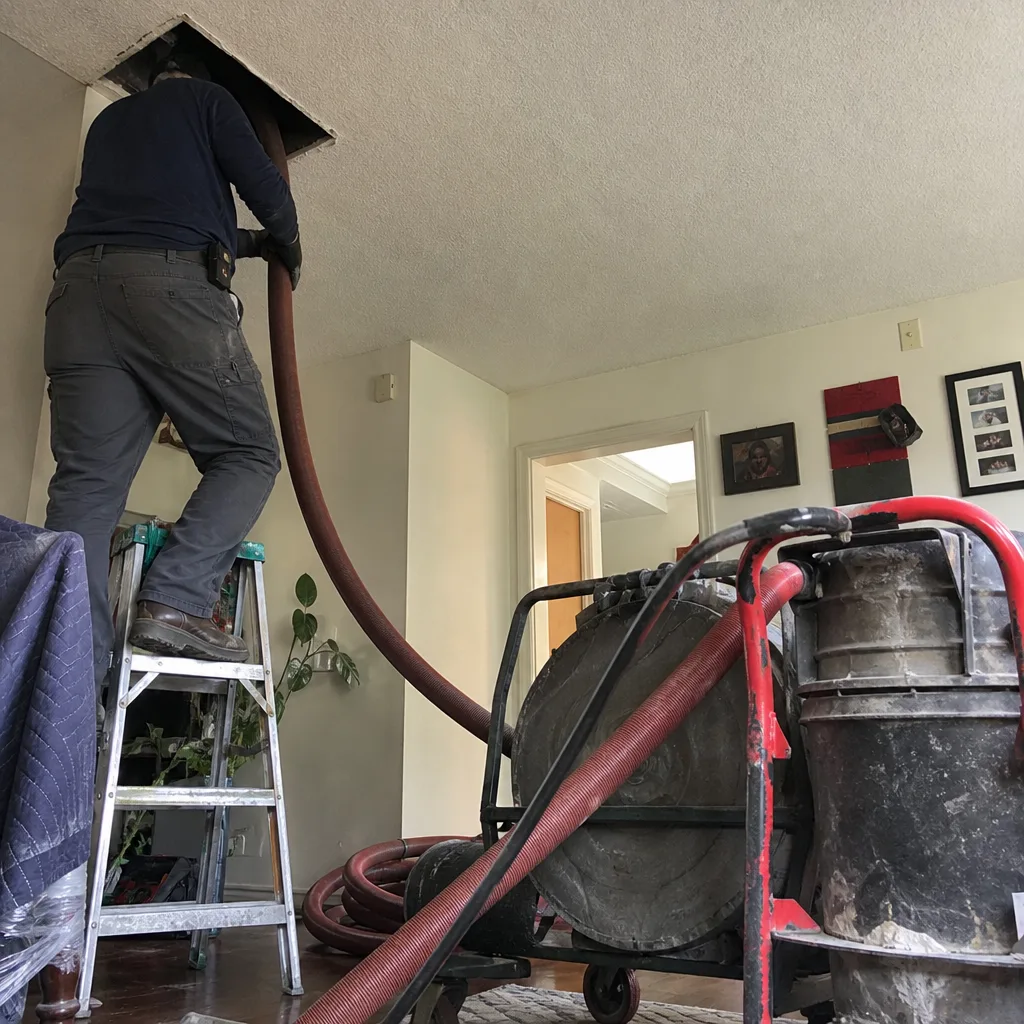 Before
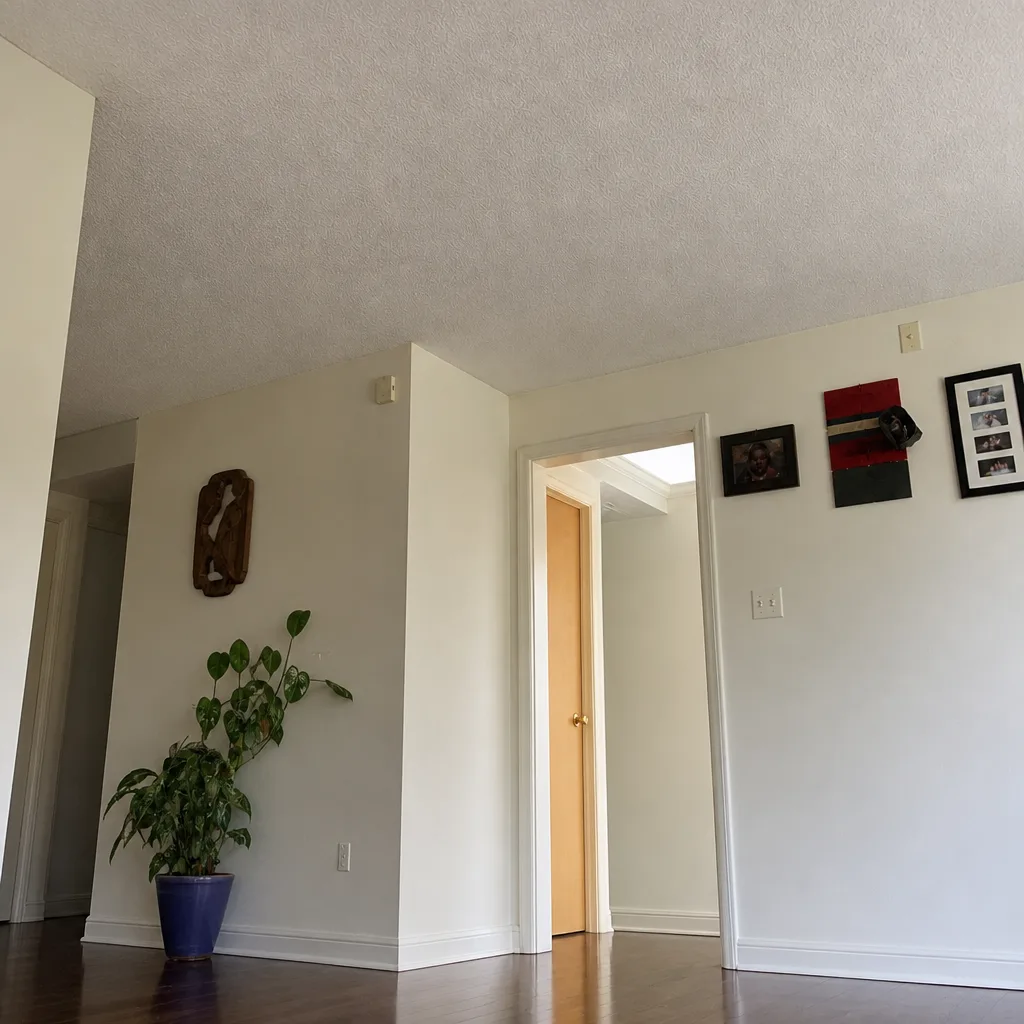 After
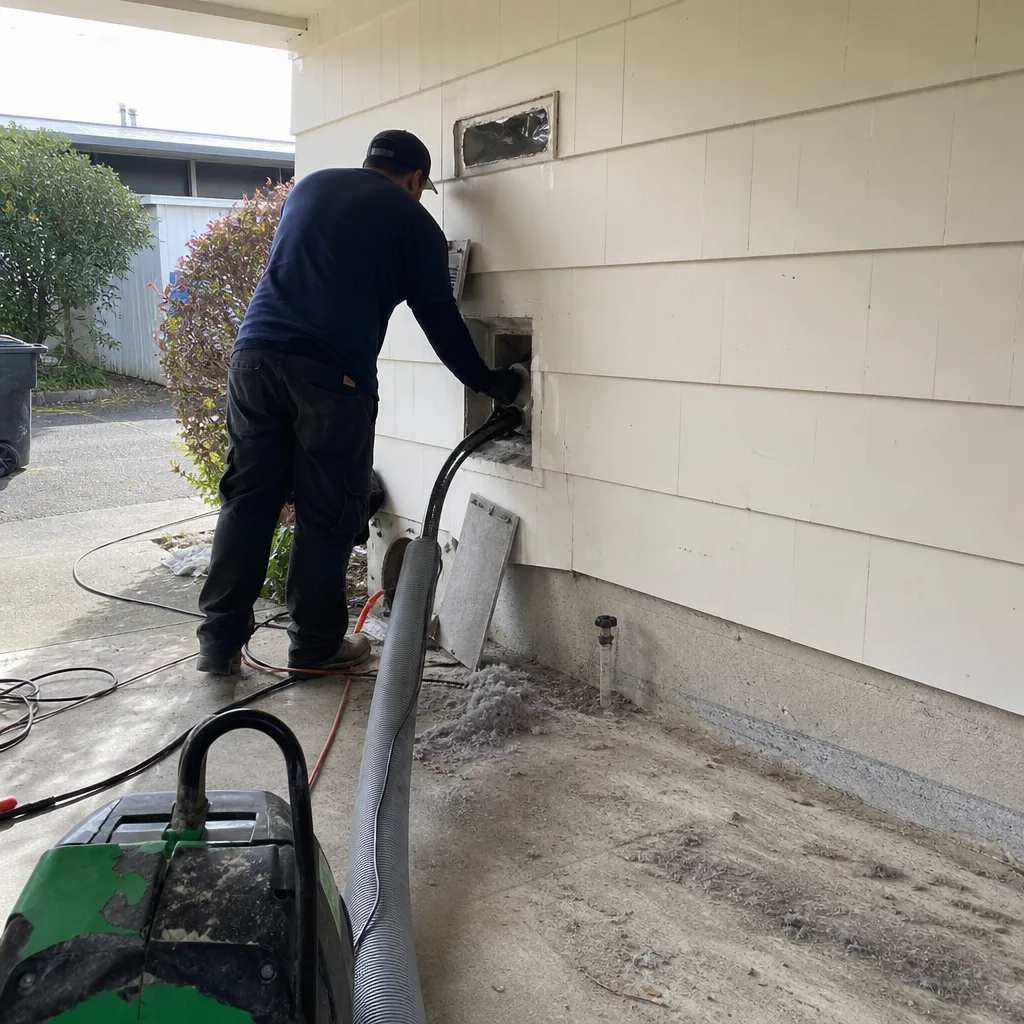 Before
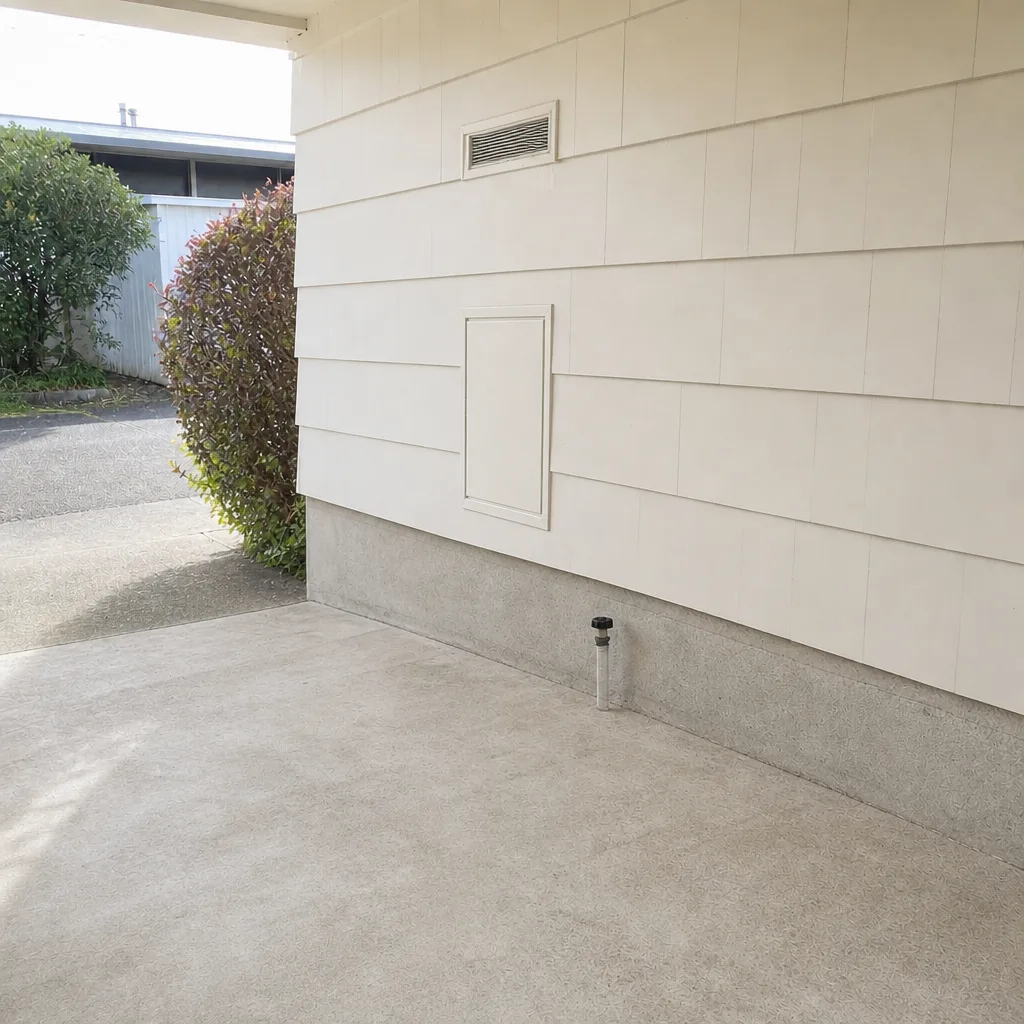 After
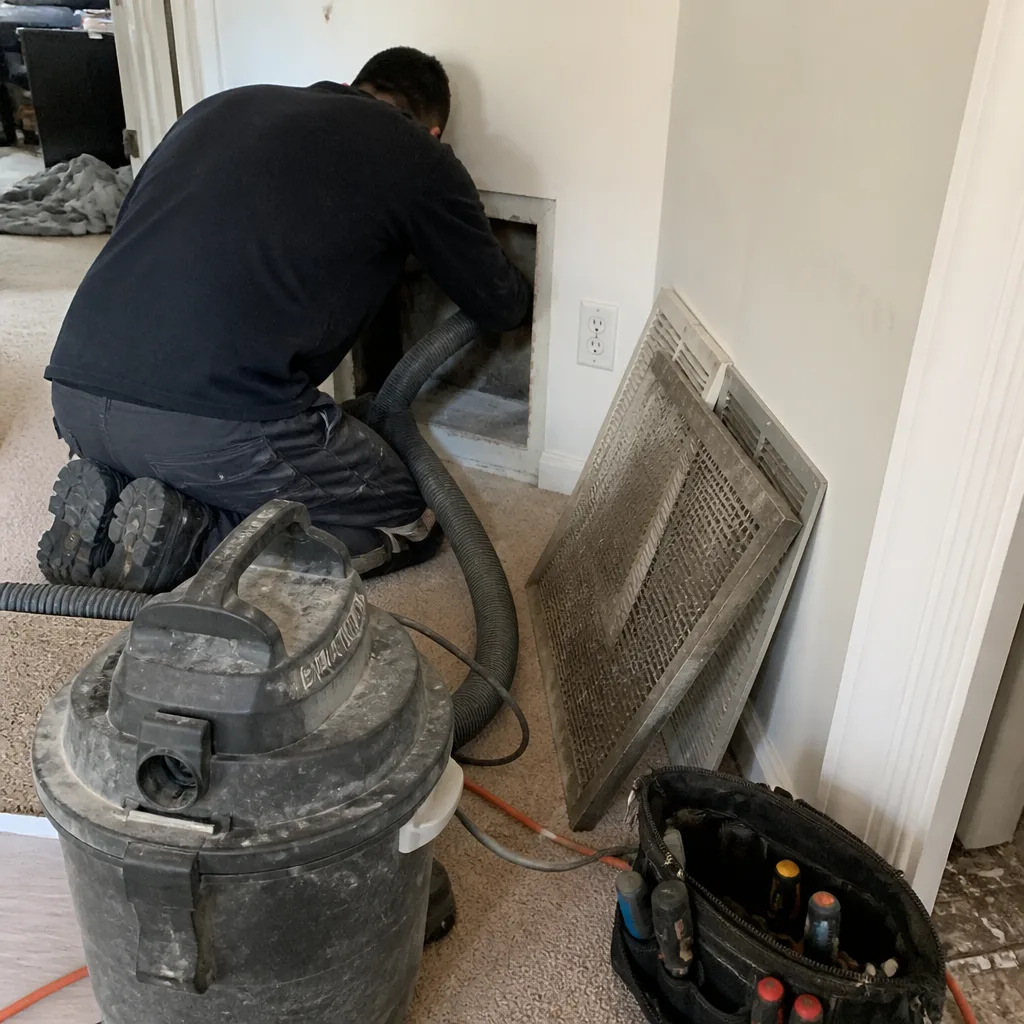 Before
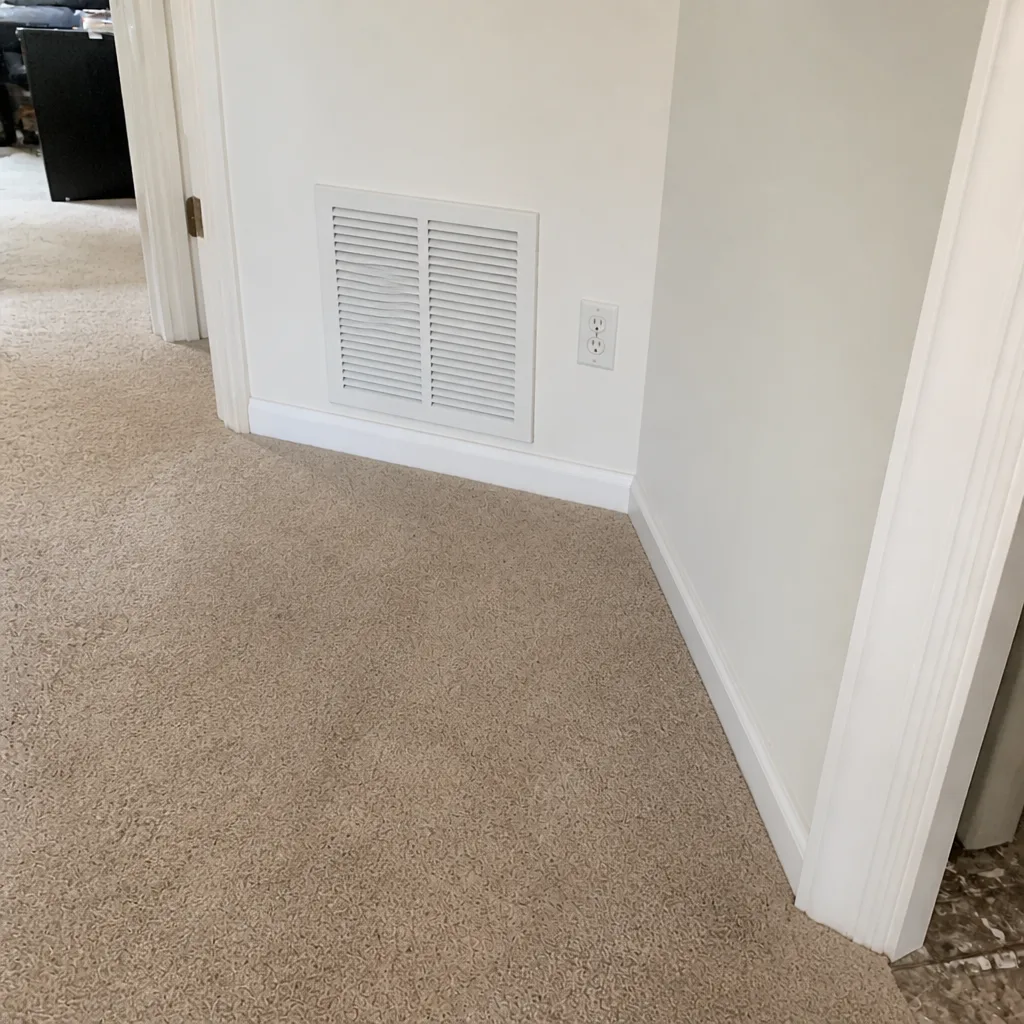 After
When to Call a Professional
Some warning signs you can address by watching and tracking. Others point to a condition that a professional needs to assess before it compounds. The clearest signs to call a professional are a filter loading rate that’s changed without any other change in the home, black or fibrous material in the filter, small pellets or grit at the registers, a persistent musty smell from any supply vent, or a duct run you can see sagging or disconnected. If more than one of those is present, don’t wait for a smell to develop; get an assessment. When you call, get a quote that covers the whole system, not a per-vent figure. Professional-grade equipment matters here; a purpose-built system like Rotobrush or Nikro reaches the interior surfaces of the duct that a shop vac won’t. Duct Cleaning Vallejo offers free estimates in Vallejo; call (844) 859-6986. We answer 24/7. Fast dispatch from 7am to 7pm, Sunday through Friday.
Frequently Asked Questions
The earliest reliable signal is a filter loading rate that’s changed. If a filter that used to last 90 days is loading up in 30, the source of extra particulate is worth investigating, even if the registers look the same as they always have. Call (844) 859-6986 for a free estimate so we can trace it upstream together.
No, treat smell as a later-stage signal, not an early one. A musty odor from a supply register is worth acting on, but waiting for that smell means you’ve already let a condition develop for months; use filter loading and register pattern as earlier signals. Call (844) 859-6986 for an honest assessment of what your system actually needs.
Pricing is set per job by a written estimate, because whole-system cleaning depends on how many runs, what kind of ductwork, and whether a repair is needed alongside cleaning. We give a flat price per system agreed before work starts, no per-vent figures and no teaser price that grows on-site. Call (844) 859-6986 for a free estimate.
Equipage and scope are the usual reasons. A low quote often reflects a shop vac approach with minimal coverage of the duct runs, while a purpose-built system like Rotobrush or Nikro reaches interior surfaces a vacuum alone won’t. The only honest comparison is a written estimate that states the scope of work. Call (844) 859-6986 and we’ll show you what that estimate looks like.
Ask for before-and-after photos of your own ducts. That’s the standard we hold ourselves to and the reason the whole system is priced before we start. You shouldn’t have to take a company’s word for it. Call (844) 859-6986 to schedule a free estimate and see the photos of the run before any work.
There’s no fixed interval that fits every home; the warning signs themselves are the best trigger. If your filter loading has accelerated, your registers show a repeating pattern, or you’re seeing airflow issues in one zone, that’s the signal to call. In Vallejo crawl space homes, the shorter interval is worth knowing. Call (844) 859-6986 for an assessment based on what your system is showing.
The Bottom Line
The useful warning signs of duct trouble show up long before smell or visible debris. Watch the filter loading rate, read the dust pattern at each register, notice performance changes in runtime and temperature, and use the smell only as a late confirmation rather than a first alarm. In Vallejo, crawl space ductwork and homes near the Carquinez waterfront carry elevated risk for specific signs, and hillside neighborhoods often see airflow issues from branch-level duct problems. When you connect those signals, you’re describing a system that needs either cleaning, repair, or both. If cleaning turns up a compromised duct, we handle the repair in the same visit rather than sending you to a second contractor. That’s your ducts, your air, and one call to get it sorted.
Call (844) 859-6986. We answer 24/7. Fast dispatch from 7am to 7pm, Sunday through Friday. Our technicians have up to 11 years of experience, and every estimate is free, with one flat price per system agreed before work starts.
For the full picture of what we do, from air duct cleaning to dryer vent cleaning and duct repair, start with the Duct Cleaning Vallejo home page and get in touch when you’re ready to assess your system. We also serve homeowners across the wider Vallejo area.
Written by the team at Duct Cleaning Vallejo.