
Last updated November 15, 2026
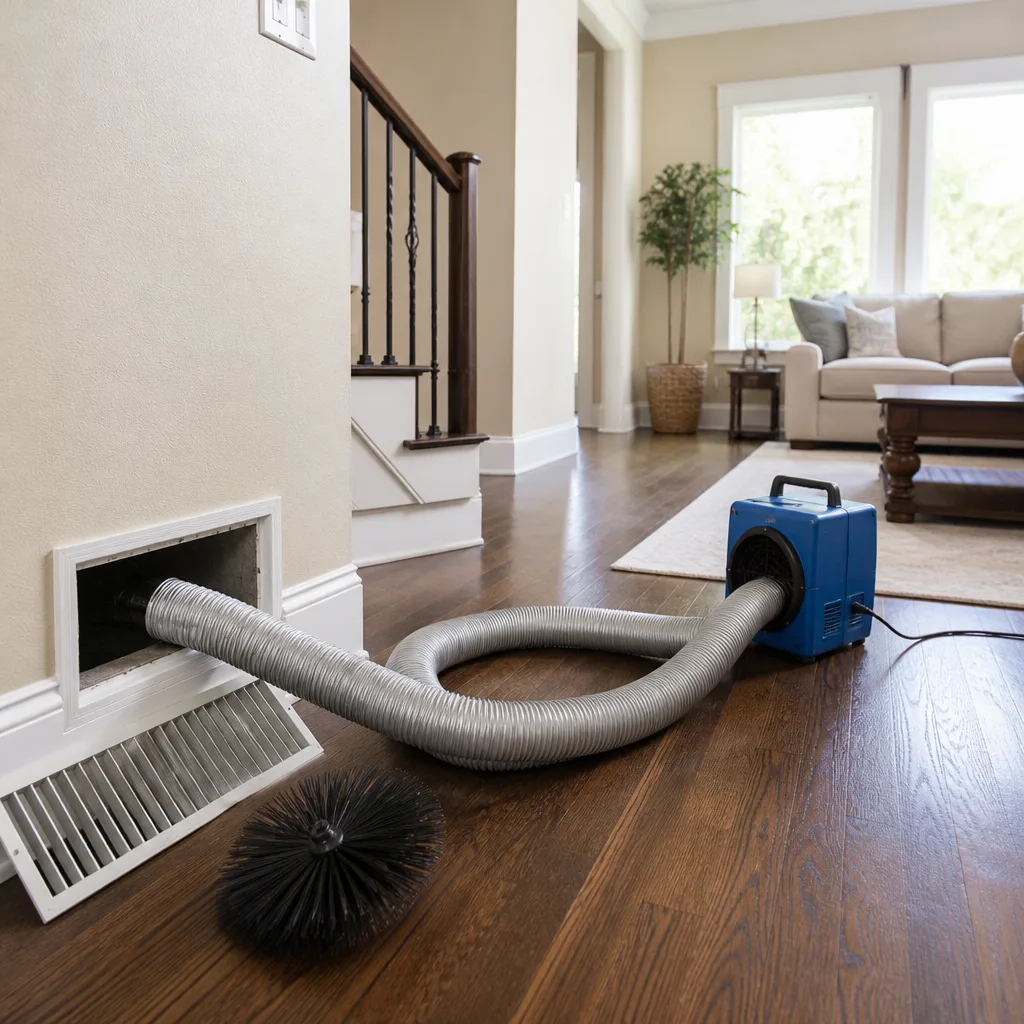 Whole-home duct cleaning
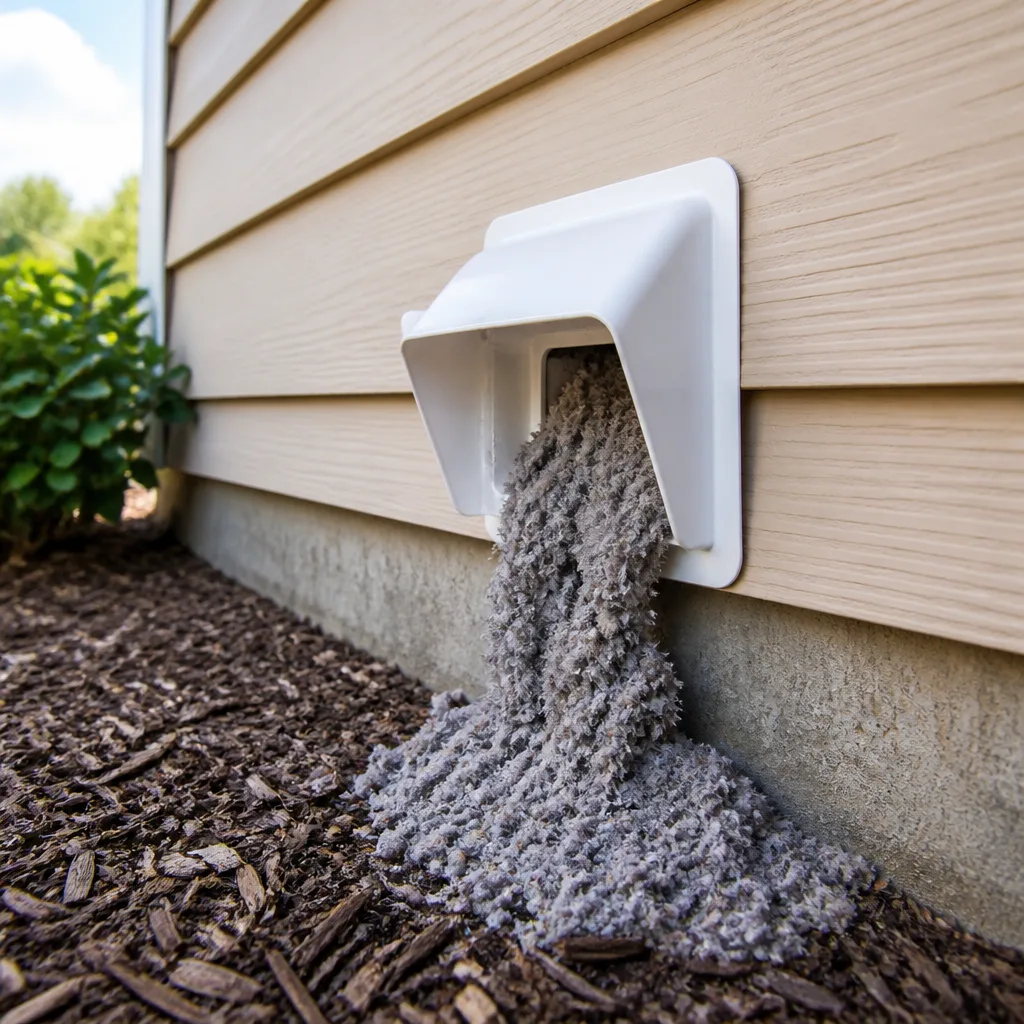 Dryer vent cleaning
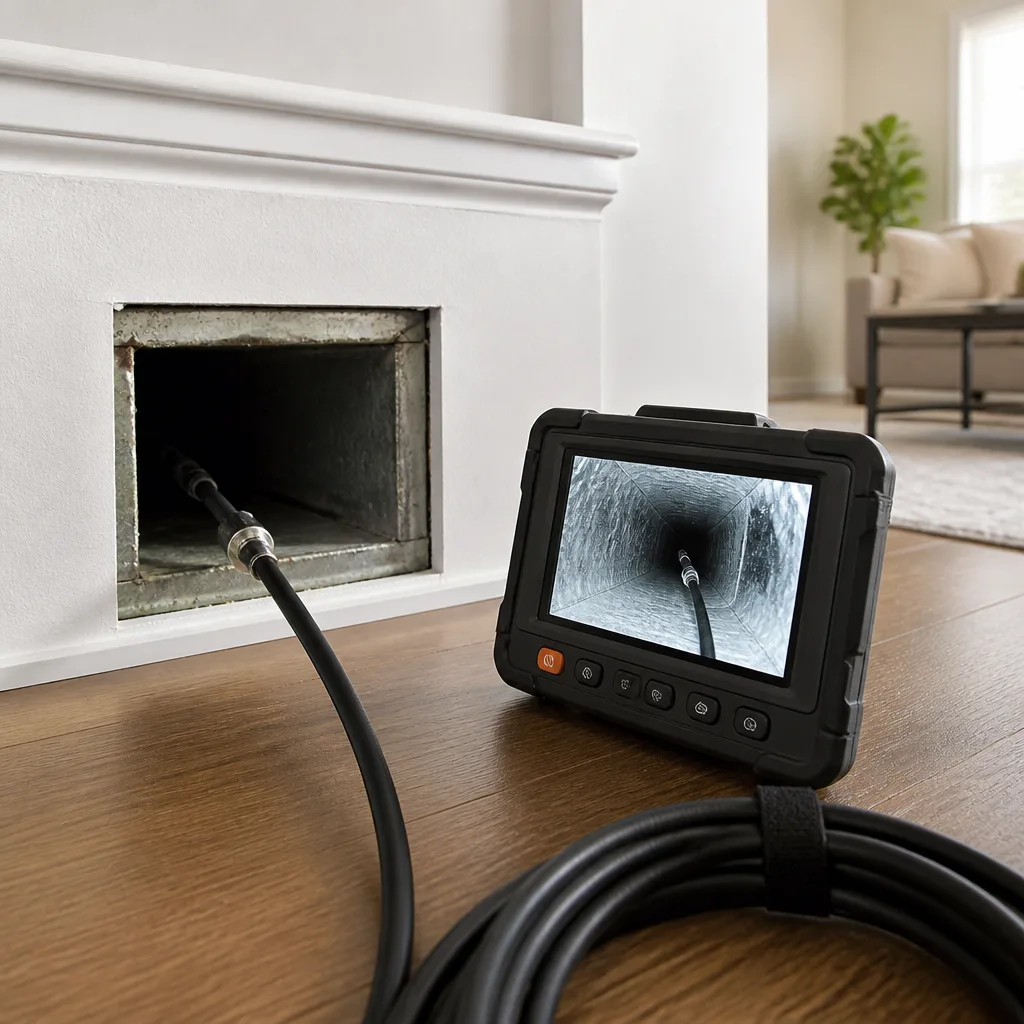 Camera inspection
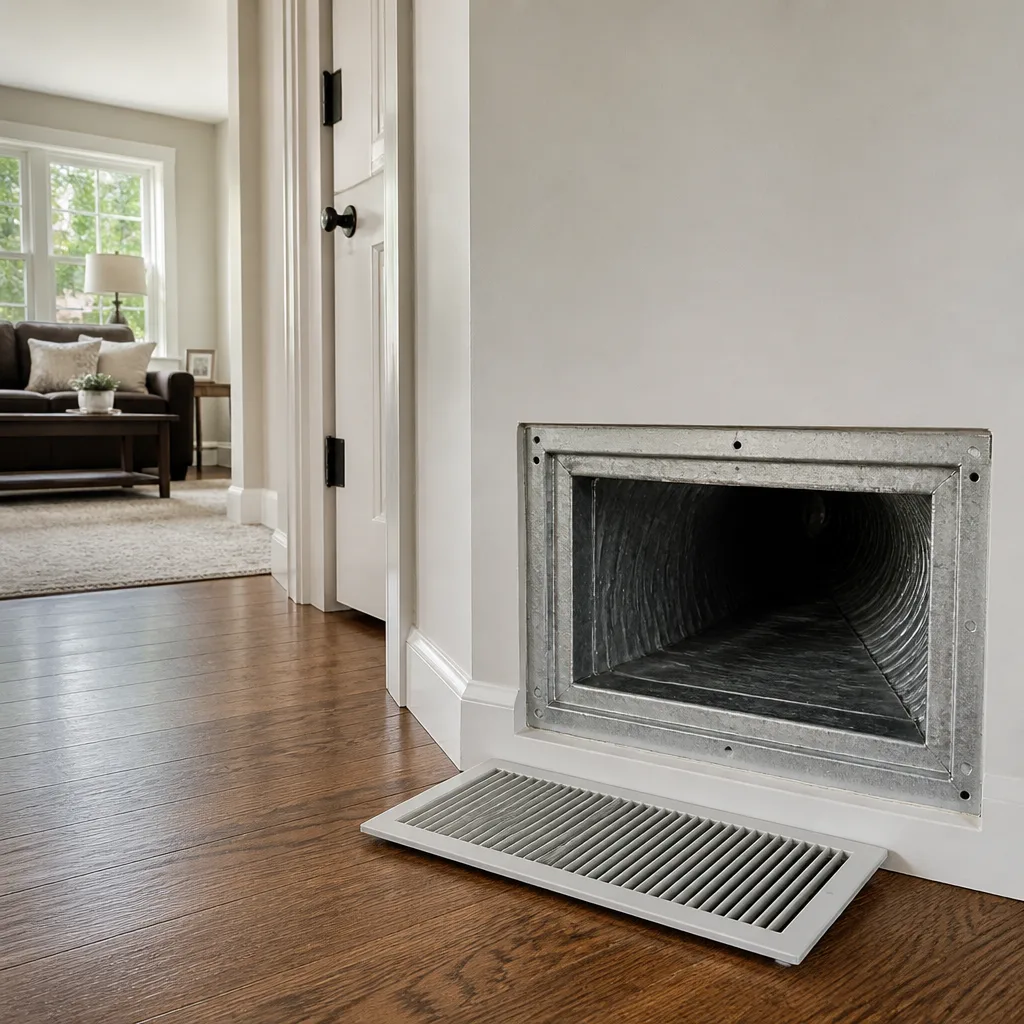 Sanitizing & deodorizing
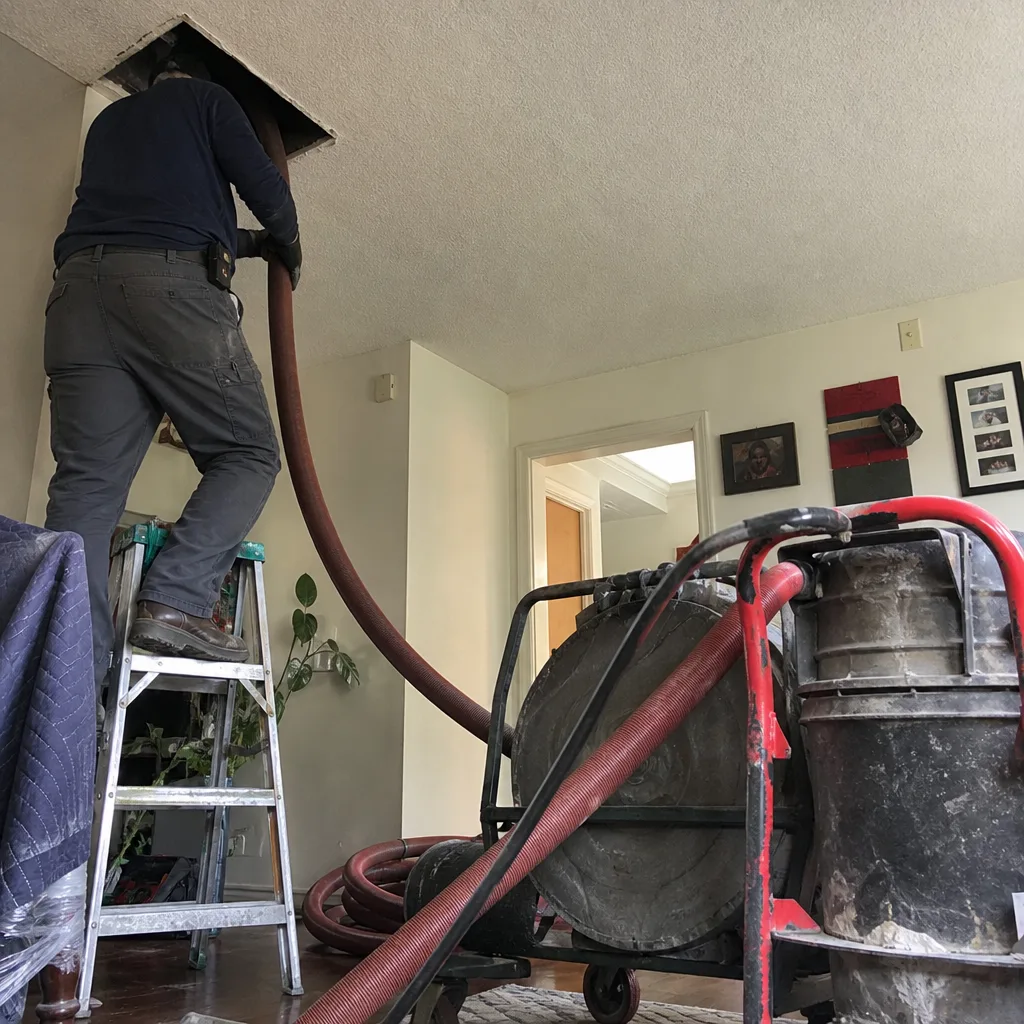
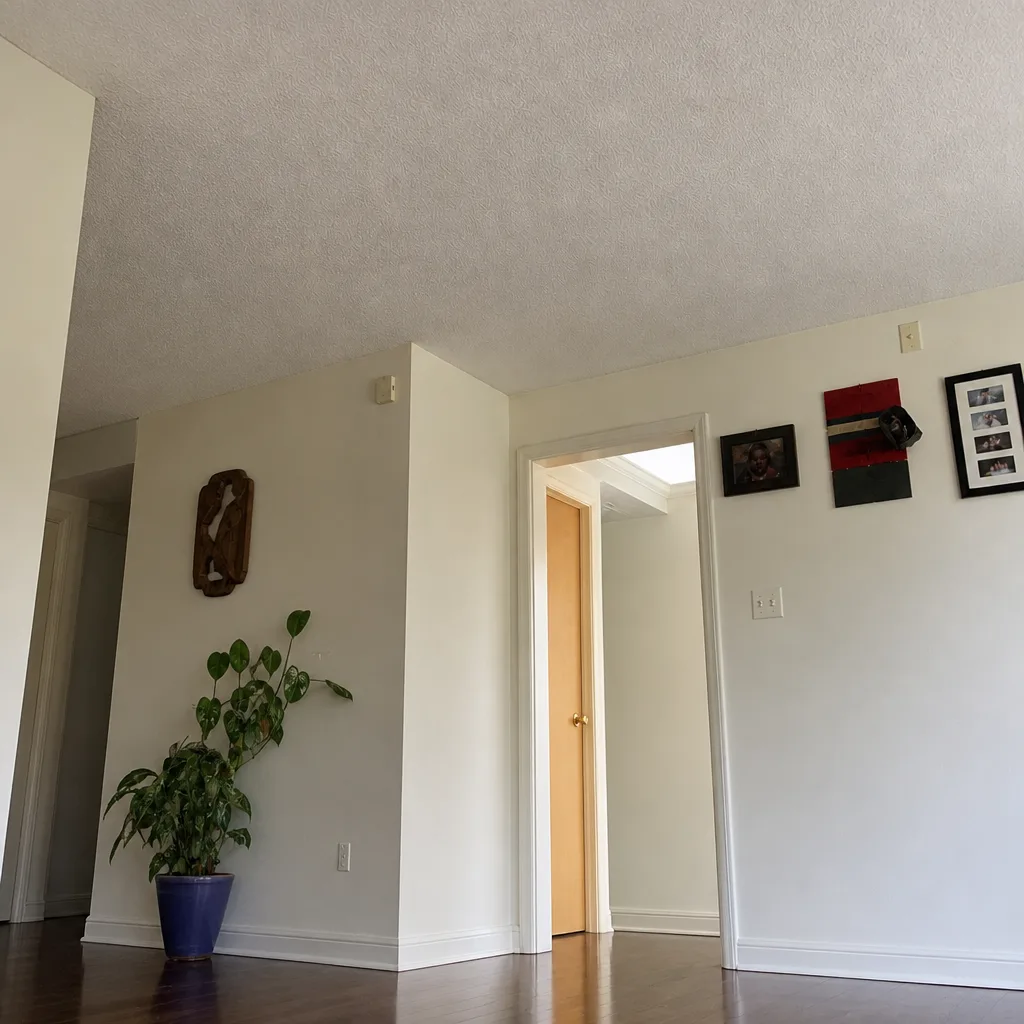
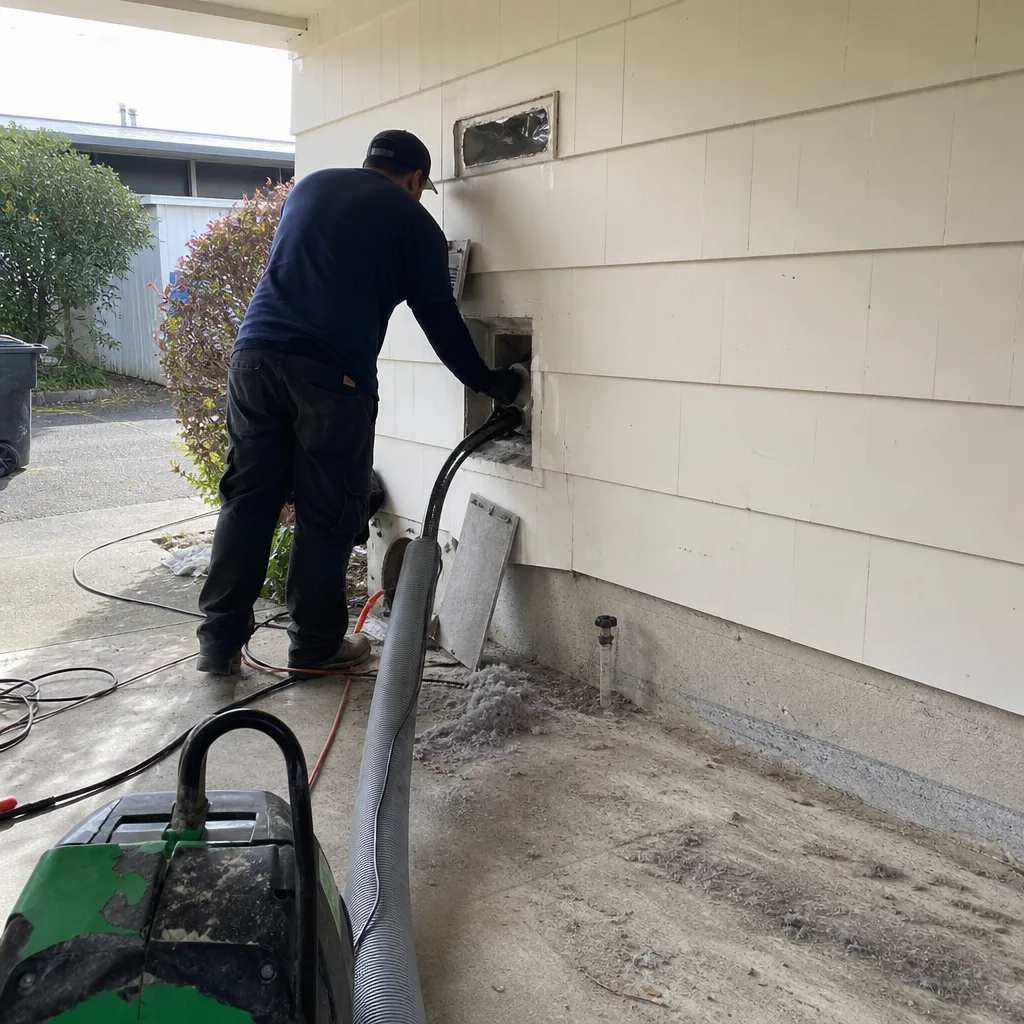
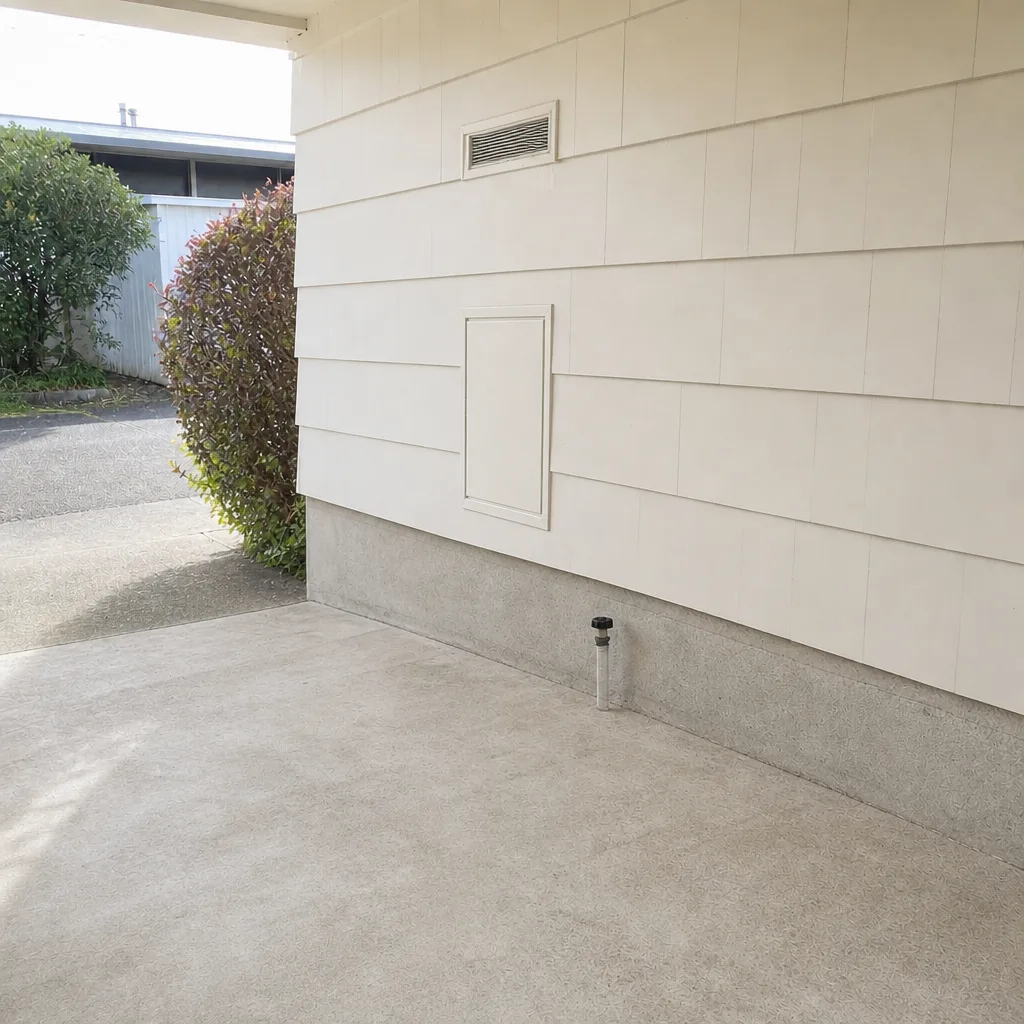
Whole-system duct and dryer vent check with before-and-after photos - you see exactly what came out of your vents
That "$99 whole-house special" is a bait ad - the real number appears once they are in your hallway, or the "clean" is a shop-vac at the register. We photograph the inside of your ducts before and after instead.
Air Duct Cleaning Permits, Codes & Inspections in Vallejo, CA: What You Need to Know
Here’s the part most homeowners miss: cleaning a duct system doesn’t need a permit in California. Repairing one often does. And when a company bundles a “quick repair” into a routine cleaning, that repair can land squarely in permit territory without anyone mentioning it. That’s the gap we want to close on this page. We’ll walk through what California Mechanical Code actually says about maintenance versus alteration, which duct repairs trigger a permit in Vallejo, how the inspection process works once one is pulled, and exactly how to protect yourself before a single technician touches your ducts. If you’ve ever wondered whether the work you paid for was legal, this is for you.
Quick Answer
Routine air duct cleaning is maintenance and does not require a permit in California. Duct repair, replacement, or modification that changes the mechanical system – cutting in new runs, sealing a plenum joint, rebuilding an air handler connection – can require a permit from the City of Vallejo’s building department, and the work should be done by a licensed contractor. If a company performs repair-level work during a cleaning without pulling a permit, the noncompliance becomes the homeowner’s problem, especially at resale.
Styles & brands we work with
- Whole-home duct cleaning
- Dryer vent cleaning
- Camera inspection
- Sanitizing & deodorizing
Table of Contents
- Why This Distinction Matters So Much in Vallejo
- Where California Mechanical Code Draws the Line
- Which Duct Repairs Trigger a Permit in Vallejo
- How to Verify a Contractor’s License for Duct Repair
- What the Vallejo Inspection Process Looks Like
- Protecting Yourself Contractually Before Work Starts
- Condos, Duplexes and Property Managers
- Common Mistakes to Avoid
- When to Call a Professional
- Frequently Asked Questions
Why This Distinction Matters So Much in Vallejo
Vallejo sits in a specific spot on the map that shapes duct work more than most people realize. The city opens onto San Pablo Bay, and that means cool, damp air rolling in through the evening and pushing into crawlspaces and attics. Duct systems here run in unconditioned space – under the house, in the attic, sometimes both on the same home. That damp air finds the weak points first: loose joints, poorly sealed plenum connections, tape that’s given up. Over time those weak points turn into the exact kind of repair that crosses from maintenance into mechanical alteration.
Meanwhile, a big share of Vallejo’s housing stock is older. Homes in neighborhoods like Heritage District, Mare Island-adjacent blocks, and the streets around downtown carry duct systems that were installed decades ago and have been patched, extended, or rerouted at some point by someone. When we open up a system in Vallejo, we’re often looking at a stack of decisions made by different people over many years. Some of that work was done correctly. Some of it was done well-meaning but unpermitted. And some of it was done by a cleaner who decided a quick fix was good enough.
That’s the risk. If you sell the house, a buyer’s inspector can flag unpermitted mechanical work. If it fails, your insurance company may ask who did it and whether it was permitted. The cleaning company is long gone. The paper trail – or the lack of one – has your name on it. That’s why the permit question deserves attention before work starts, not after. And it’s why we walk through Vallejo systems carefully, because a routine cleaning sometimes uncovers a repair someone else left behind.
The good news: this is a solvable problem. Once you know the line between cleaning and alteration, you can ask the right questions and get the right paperwork. The rest of this guide shows you how.
Where California Mechanical Code Draws the Line
The California Mechanical Code separates work into two broad categories: maintenance and alteration. Maintenance means keeping a system in its current configuration – cleaning, servicing, adjusting, replacing like-for-like components that don’t change the system’s function. Alteration means changing something about the system – adding, removing, relocating, or reconfiguring ductwork. The first generally doesn’t require a permit. The second often does.
Here’s how we think about the line in practice:
- Maintenance (usually no permit): Removing debris, dust and buildup from duct runs. Cleaning the blower and coil surfaces. Wiping down registers and grilles. Replacing filters. Performing a visual inspection of the system. These tasks leave the duct system’s configuration unchanged.
- Alteration (usually permit territory): Adding a new branch duct, relocating a return, replacing a section of flex or rigid duct, sealing a plenum connection at the air handler, changing the number of registers served by a run, or upgrading the system’s capacity. These change the mechanical system.
- Gray zone: Reconnecting a duct that has come loose, re-taping a joint, or sealing gaps with mastic. Whether these need a permit can come down to scope, and that’s exactly the kind of ambiguity worth clarifying in writing before a technician starts.
What complicates this further: the same cleaning visit can involve both categories. A routine air duct cleaning in a Vallejo home might turn up a disconnected duct run in the attic. Fixing that disconnect is a repair – and depending on scope, it may cross into permitted work. A responsible company tells you that and gives you the option to proceed with a permit or handle it separately. A company that just tapes it up and moves on has made a decision on your behalf that you didn’t authorize.
The California Mechanical Code itself isn’t trying to make life hard. The permit and inspection framework exists so that mechanical work is verifiable, done to code, and traceable through property records. It’s the homeowner’s protection as much as the city’s.
Which Duct Repairs Trigger a Permit in Vallejo
Permit requirements are ultimately determined by the City of Vallejo’s building department, and the department’s interpretation of the code governs in any specific case. That said, based on how mechanical permits are typically handled in California jurisdictions, here’s what we tell homeowners to expect:
- Replacing a duct run. If a section of duct is removed and replaced with new material, that’s alteration. In most jurisdictions this triggers a mechanical permit, especially if the total replaced length is significant.
- Adding or removing branch runs. Cutting a new supply or return into an existing trunk changes system capacity and balance. This typically requires a permit.
- Modifying the plenum. The plenum is the transition box between the air handler and the duct system. Sealing it as maintenance is one thing. Rebuilding or altering its size or shape is another, and usually crosses into permitted work.
- Relocating registers or returns. Moving a grille to a different ceiling or wall location requires opening the duct system and rerouting. Permit territory.
- Air handler connection changes. If the duct connection to the air handler needs re-engineering – not just resealing – that’s a mechanical alteration.
- Change in duct material or size. Swapping flex for rigid, or changing duct diameter to correct a static pressure problem, is a system change.
Notice what’s not on the list: cleaning itself. Routine cleaning of an intact system doesn’t require a permit in Vallejo, and any company suggesting otherwise is either confused or upselling. That said, air duct cleaning is the best time to inspect the system carefully, and that’s where repair needs are spotted. If you’re scheduling a cleaning, it’s worth asking what happens if the technician finds a repair need – will you be told the scope, or told a quick fix and moved along? That question alone separates different kinds of companies.
How to Verify a Contractor’s License for Duct Repair
Here’s something not everyone knows: cleaning ducts is maintenance, and it can be done by companies that aren’t licensed HVAC contractors. Doing duct repair is a different story. Mechanical repair work in California falls under contractor licensing rules, and the license class most commonly tied to duct repair is the C-20 (Warm-Air Heating, Ventilating and Air-Conditioning) license, held by licensed HVAC contractors.
That creates a real gap in the market. A company without a C-20 license can clean your ducts, but it shouldn’t be pulling permits or doing repair-level work. The trouble is that the customer often can’t tell the difference once a technician is on site with a roll of foil tape and good intentions.
Here’s how to verify a license before you hire:
- Ask for the license number up front. Before scheduling, ask what license the company holds and what work that license covers.
- Check the license on the Contractors State License Board (CSLB) website. The CSLB database is free and public. It will tell you the license class, whether it’s active, and whether there’s any disciplinary history.
- Confirm scope. A license that covers cleaning is not the same as a license that covers mechanical repair. Ask whether the company itself performs duct repair or subcontracts it.
- Ask about insurance. Confirm the company carries liability insurance and workers’ comp. If they can’t produce a certificate, that’s a signal.
- Get it in writing. The written estimate should state what’s covered and what license class handles the work.
For the homeowner, this matters because unpermitted repair work becomes your liability. If the work is later flagged at resale or after a mechanical failure, the contractor’s absence of a license doesn’t protect you. It makes the situation worse.
What the Vallejo Inspection Process Looks Like
When a mechanical permit is pulled for duct repair work in Vallejo, the process generally follows a standard arc. The exact timeline depends on the City’s workload and the scope of the project, so treat this as a general overview, not a promised schedule.
Here’s what to expect:
- Permit application. The licensed contractor submits a permit application to the City of Vallejo’s building department, including a scope of work and, for larger alterations, supporting drawings or specifications.
- Permit issuance. Once the application is reviewed and the permit fee is paid, the permit is issued. Review times vary based on the department’s load and the completeness of the application.
- Work performed. The contractor performs the permitted duct work, typically with the ducts exposed (attic, crawlspace, or wall cavity depending on the scope).
- Inspection scheduling. The contractor requests an inspection through the City. The owner or an authorized representative needs to provide access. In buildings with tenants, that access needs to be coordinated in advance.
- Inspection. The inspector verifies the work matches the permit’s scope and meets mechanical code. Common things inspectors look at: duct material integrity, joint connections and sealing, support and hanger spacing, clearance from combustibles, and connection to the air handler.
- Sign-off or corrections. If everything checks out, the permit is signed off and the work becomes part of the property record. If corrections are called, the contractor schedules a reinspection after addressing them.
What the inspector checks depends on the scope, but the general focus is on whether the duct system does what it’s supposed to do safely and to code. That includes whether the joints are properly sealed, the duct is adequately supported, and there’s no conflict with other systems in the space. When we do repair work, we plan the job so the system can be inspected without a scramble. Cleaned and cleared in one visit is the goal – and the work should be arranged so a later inspection can verify it.
One practical note for Vallejo homes with crawlspace ductwork: inspectors need to be able to get to the work. If your crawlspace access is tight or obstructed, coordinating ahead of time avoids a wasted trip.
Protecting Yourself Contractually Before Work Starts
The most effective protection is a written document that clearly clarifies scope before the technician begins. Most duct cleaning quotes don’t include language on this because most cleaning doesn’t need it. But once repair comes into play, the paperwork matters as much as the work itself.
Here’s what we recommend a written scope include:
- A statement of what’s covered by the cleaning portion. Which runs, how many vents, what the equipment is (we use Rotobrush and Nikro systems, purpose-built for duct cleaning, not shop vacuums).
- A clear definition of what counts as cleaning versus repair in the agreement. If repair is discovered mid-job, what triggers a change order?
- A written scope for any repair work, including permit responsibility. The contract should state who pulls the permit and who’s responsible for the cost.
- An explicit acknowledgment that cleaning is maintenance and does not require a permit. This removes ambiguity.
- A requirement that any additional work is approved in writing before it’s performed. This is your protection against a technician deciding to fix something “while they’re in there.”
What you’re protecting against is scope creep under the cover of maintenance. When we discover a repair need – and in older Vallejo housing we often do – we document it, explain what it is, and let the homeowner decide how to proceed. If the repair is permit-level, we say so. We find it, we fix it, but only with your approval, and with the correct paperwork. That’s the standard we hold ourselves to.
The contract should also note what happens to the permit after the work is done. The homeowner should receive a copy of the inspection sign-off, because that’s the document that will matter at resale. A company that can’t produce that paper trail has left you exposed.
Condos, Duplexes and Property Managers
Vallejo has plenty of condos, duplexes and small multi-family buildings, and duct work in shared-wall construction gets more complicated. Often the duct system crosses boxes or plenums that affect adjacent units. A permit for one unit may require notification of another. The building department may look at the work differently than it would for a standalone house.
For property managers, the best practice is to confirm permit requirements before the cleaning visit, not after. If a repair need is identified in one unit, the paper trail should make clear who authorized the work and whether a permit was pulled. Cleaning is straightforward. Repair is not, and the multi-family context magnifies the risk.
If you’re managing buildings in Vallejo and want a consistent scope of work across units, a written agreement with the cleaning company that spells out cleaning versus repair and permit responsibility is worth more than a low quote. It’s the same principle as for single-family homeowners: get the scope in writing.
Common Mistakes to Avoid
- Assuming cleaning covers repair. Cleaning is maintenance; repair may need a permit. Ask before the job starts so you know what you’re agreeing to and what paper trail will follow the work.
- Accepting a repair on the spot without a written scope. If a technician tells you mid-visit that something needs fixing, ask for the scope in writing, including whether a permit will be pulled. In older Vallejo homes, “discovering” repairs is common, and so is repairing without approval.
- Skipping the license check. Verify the contractor’s license on the CSLB website before you hire. The class matters – cleaning and mechanical repair fall under different scopes.
- Assuming a permit isn’t needed because the cleaning company said so. The building department has jurisdiction, not the company. If a repair crosses into alteration, a permit may be required regardless of what the cleaning company prefers.
- Buying on price alone. A low-ball quote that becomes a much larger invoice once the technician is on site is the classic bait-and-switch concern. Ask what’s included, what triggers a change order, and what happens if repair is found.
- Not keeping inspection paperwork. If a permit gets pulled, keep the sign-off with your home documents. It matters at resale and can matter after a claim.
- Treating permits as the company’s problem. The homeowner is the party who ends up holding unpermitted work if it’s later flagged. Ask the questions before the work starts.
When to Call a Professional
Some situations should go to a professional rather than being handled as part of routine cleaning. If you’ve noticed airflow problems in parts of the house, if returns have weak suction, if you’re seeing visible gaps in duct runs from the attic or crawlspace, or if you hear rattling at the air handler, those are signs worth a proper inspection. Similarly, if a previous cleaning company did “repair work” and you’re not sure whether it was permitted, calling a professional to inspect and document the state of the system is worth doing before you put the house on the market.
Anything involving the electrical side of the air handler or the HVAC system itself should be handled by a licensed contractor with the right scope. Duct repair, especially when permit-level, should be scheduled with the paperwork in hand.
Duct Cleaning Vallejo offers free estimates in Vallejo – call (844) 859-6986. We answer 24/7. Fast dispatch from 7am to 7pm, Sunday through Friday.
Frequently Asked Questions
No. Routine air duct cleaning is maintenance and doesn’t require a permit in Vallejo. Permits are tied to alteration or repair work that changes the mechanical system, such as replacing duct sections, adding runs, or modifying the plenum. If a company is telling you a permit is needed for cleaning itself, ask why in writing. Call (844) 859-6986 for an exact scope – estimates are free.
It depends on the scope. Reconnecting a loose duct or sealing a small joint is typically maintenance. Replacing a duct run, adding or relocating a branch, or rebuilding the plenum usually requires a permit in Vallejo. The right approach is for the company to explain the scope in writing and let you decide. We find it, we fix it, but the scope is written down before a technician starts. Call (844) 859-6986 for an exact quote – estimates are free.
Duct repair work in California is generally handled under a licensed contractor, most commonly the C-20 (Warm-Air Heating, Ventilating and Air-Conditioning) license class for mechanical work. Cleaning alone doesn’t require the same license. Verify a license at the Contractors State License Board (CSLB) website. If the company can’t produce a license number, that’s a reason to pause. Call (844) 859-6986 for a free estimate.
The inspector visits the property, verifies the work matches the permit scope, and checks mechanical code compliance: joint integrity, support, clearances, and connection to the air handler. Access to the work is required, so attic and crawlspace access need to be coordinated. After sign-off, the permit becomes part of the property record. Call (844) 859-6986 for an exact quote – estimates are free.
Pricing varies by system size and condition, so we don’t quote per-vent teaser prices. We give whole-system pricing as a written estimate, with one flat price per system agreed before work starts, and before-and-after photos of your own ducts after the work. That eliminates the low-ball-then-upsell concern that’s common in this trade. Call (844) 859-6986 for an exact quote – estimates are free.
Most homes in this region benefit from a professional cleaning every few years, and sooner if you’ve had renovation work, a pest issue, or visible buildup at the registers. Homes in Vallejo’s damper bay-influenced neighborhoods and older housing stock tend to accumulate moisture-related debris faster. The best check is a proper inspection. Call (844) 859-6986 for an exact quote – estimates are free.
The Bottom Line
Routine cleaning is maintenance and doesn’t need a permit in California. Repair, replacement, and modification of ductwork can require one, and if the company you hire doesn’t pull it, the permit problem lands on you at resale or after a failure. Verify the license class of anyone doing repair work. Ask for written scope before the job begins, including who pulls the permit if one is required. Check the CSLB database. Keep the inspection paperwork. Those four steps close the gap that most Vallejo homeowners don’t know exists until it’s too late.
If you want a company that documents what’s cleaning and what’s repair, uses professional Rotobrush and Nikro equipment rather than improvised tools, and can handle both cleaning and repair in one visit with proper paperwork, that’s the work we do. Our technicians have up to 11 years of experience, and our work includes brands like Honeywell and Aprilaire when filtration upgrades are part of the recommendation. Air quality in your home should be verifiable, not a matter of trusting a promise.
Schedule a Free Estimate in Vallejo
If you’re ready to schedule air duct cleaning, dryer vent cleaning, or a duct repair inspection in Vallejo – or you just want a clear answer on whether the work you’re considering crosses into permit territory – call Duct Cleaning Vallejo at (844) 859-6986 for a free estimate. We answer 24/7. Fast dispatch from 7am to 7pm, Sunday through Friday. One flat price per system, agreed before work starts. Before-and-after photos of your own ducts. No per-vent pricing and no teaser quotes.
Written by the team at Duct Cleaning Vallejo.
See the difference
 Before
 After
 Before
 After
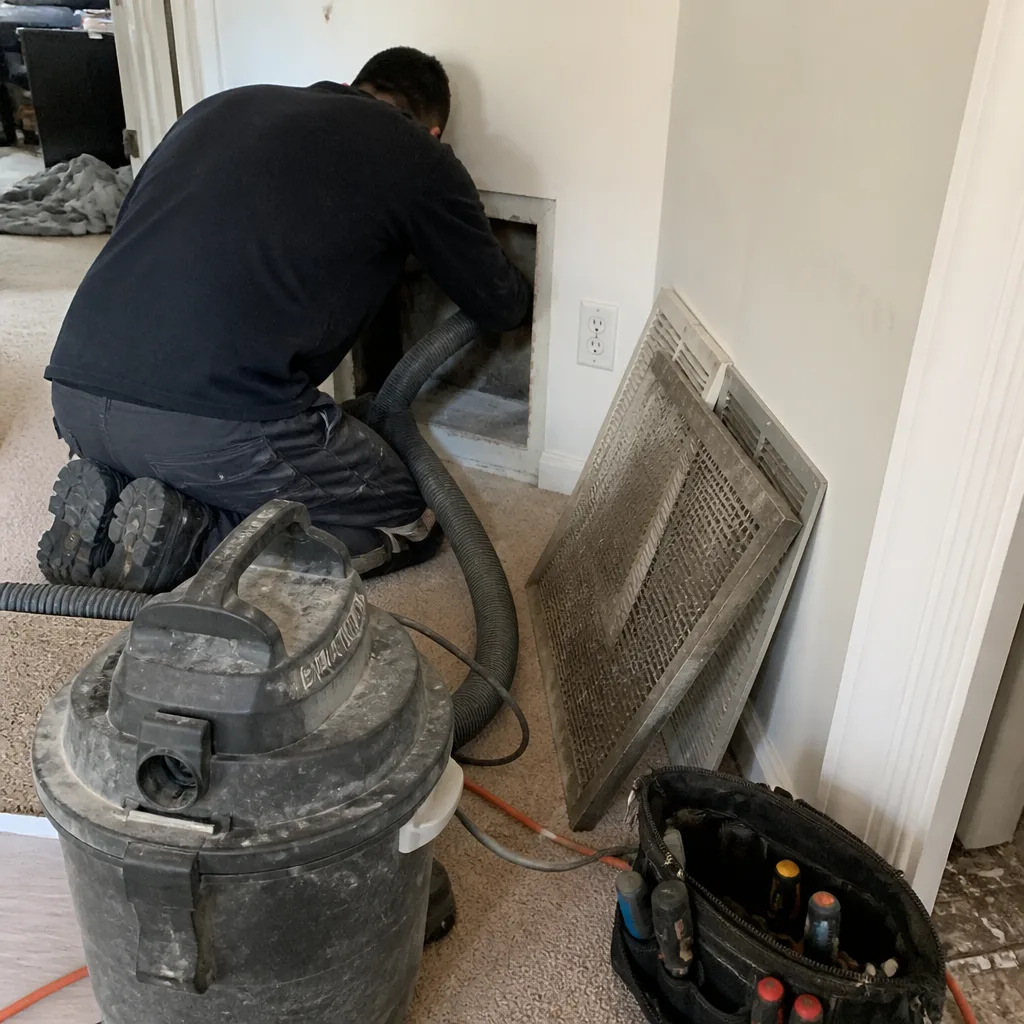 Before
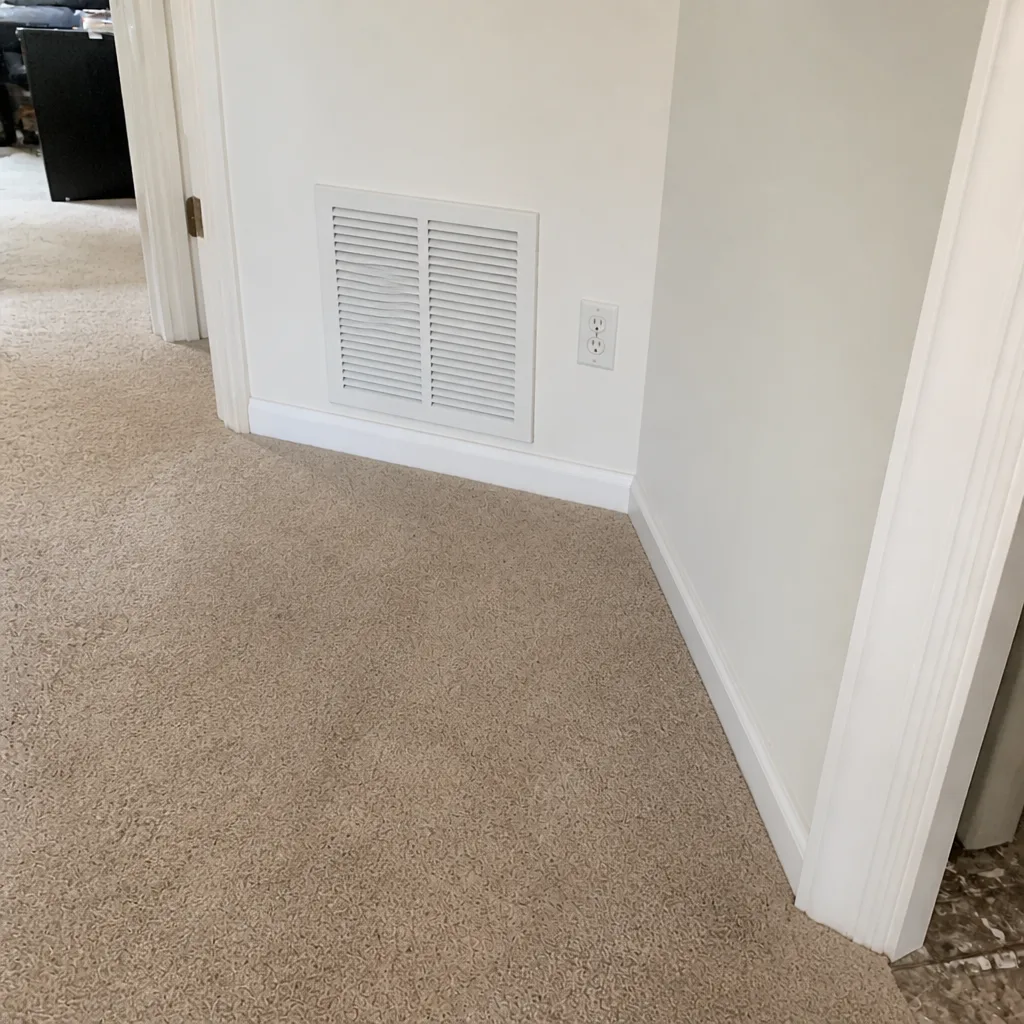 After