
Last updated November 15, 2026
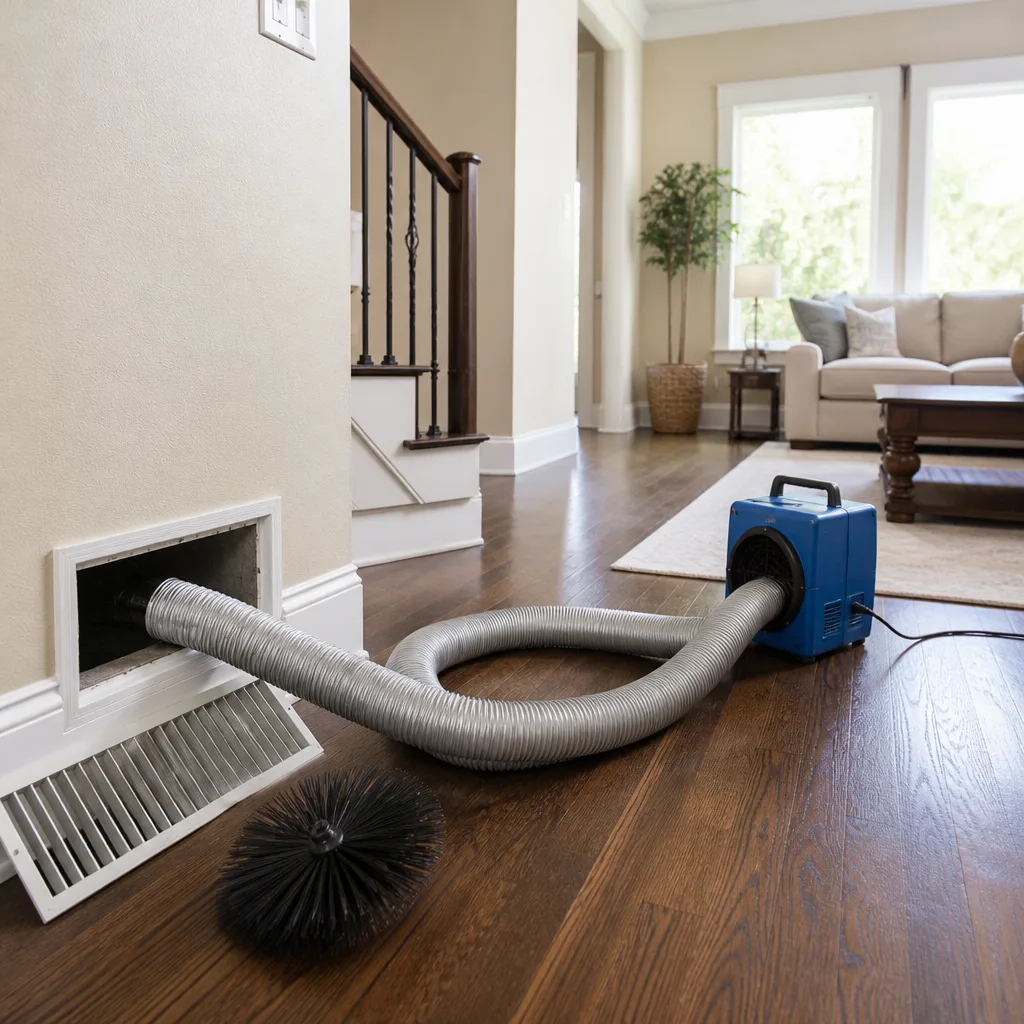 Whole-home duct cleaning
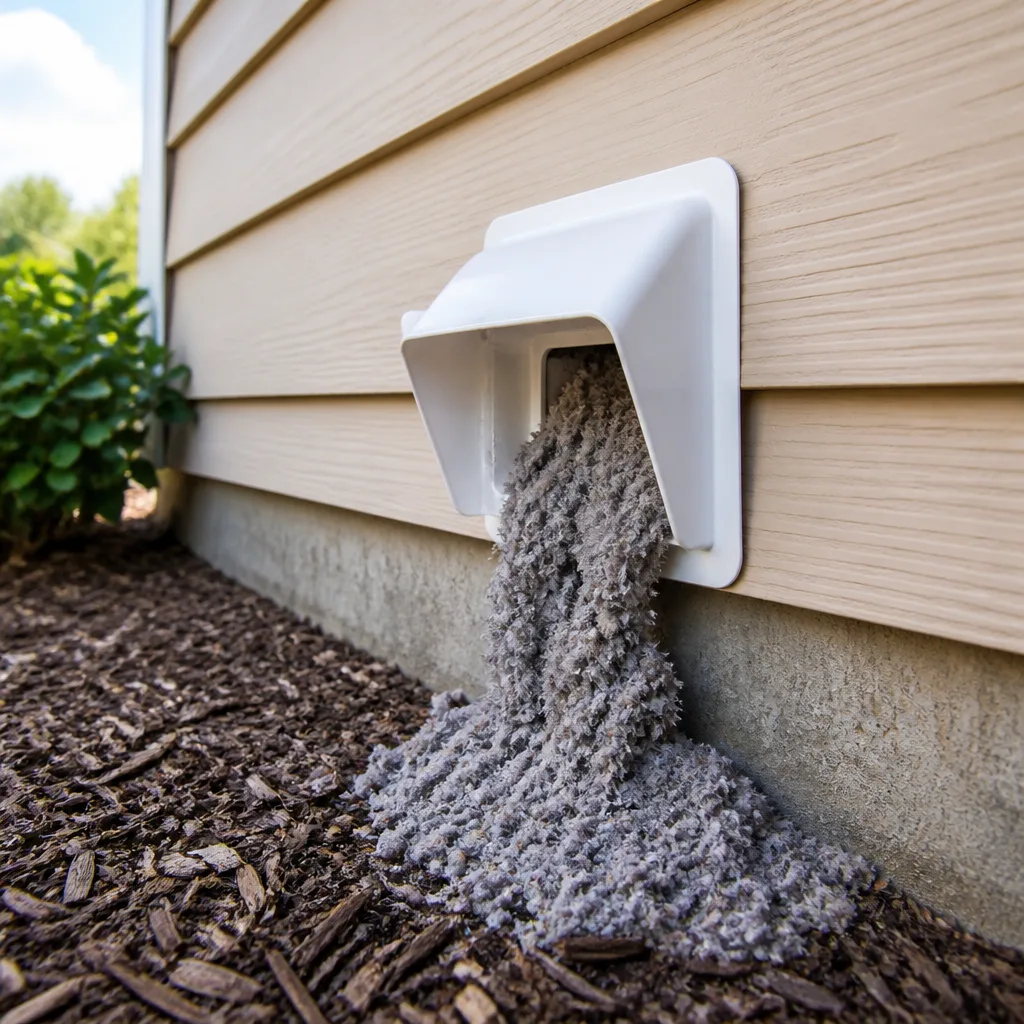 Dryer vent cleaning
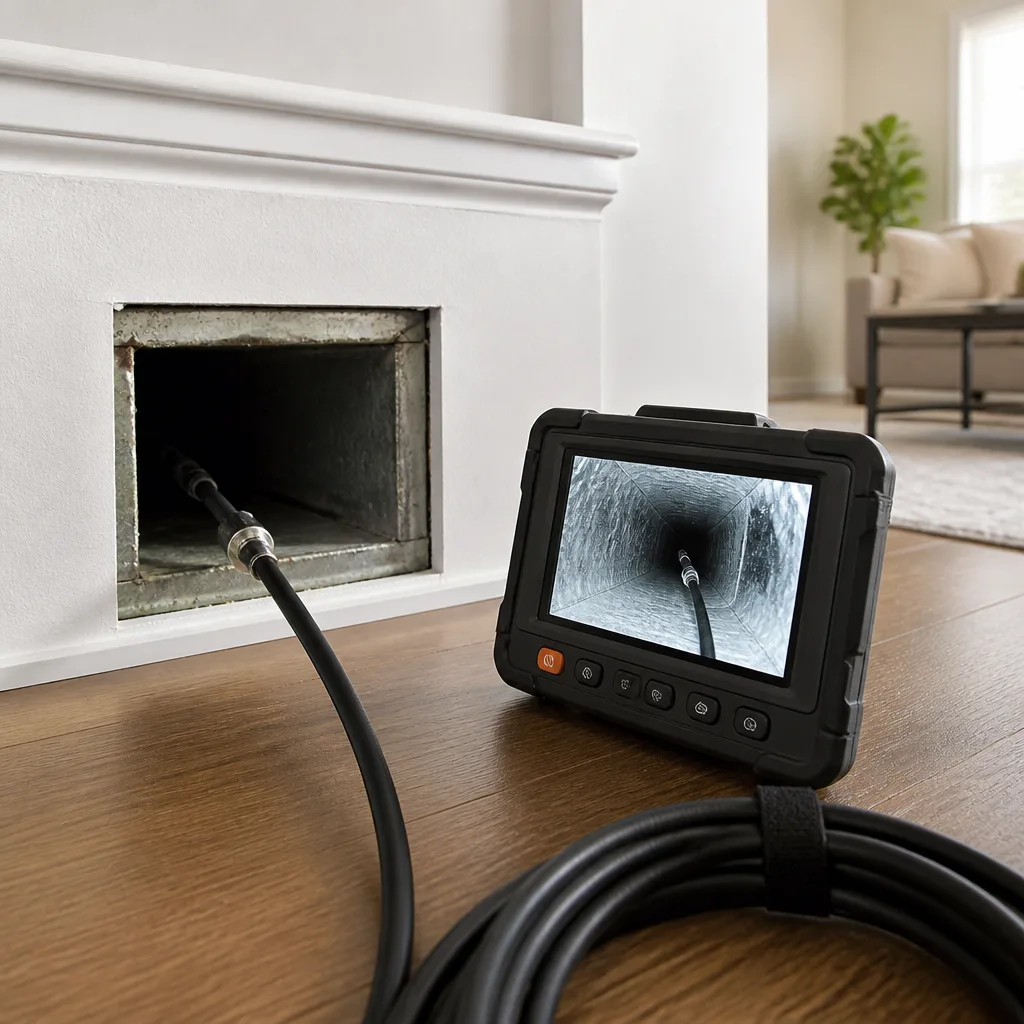 Camera inspection
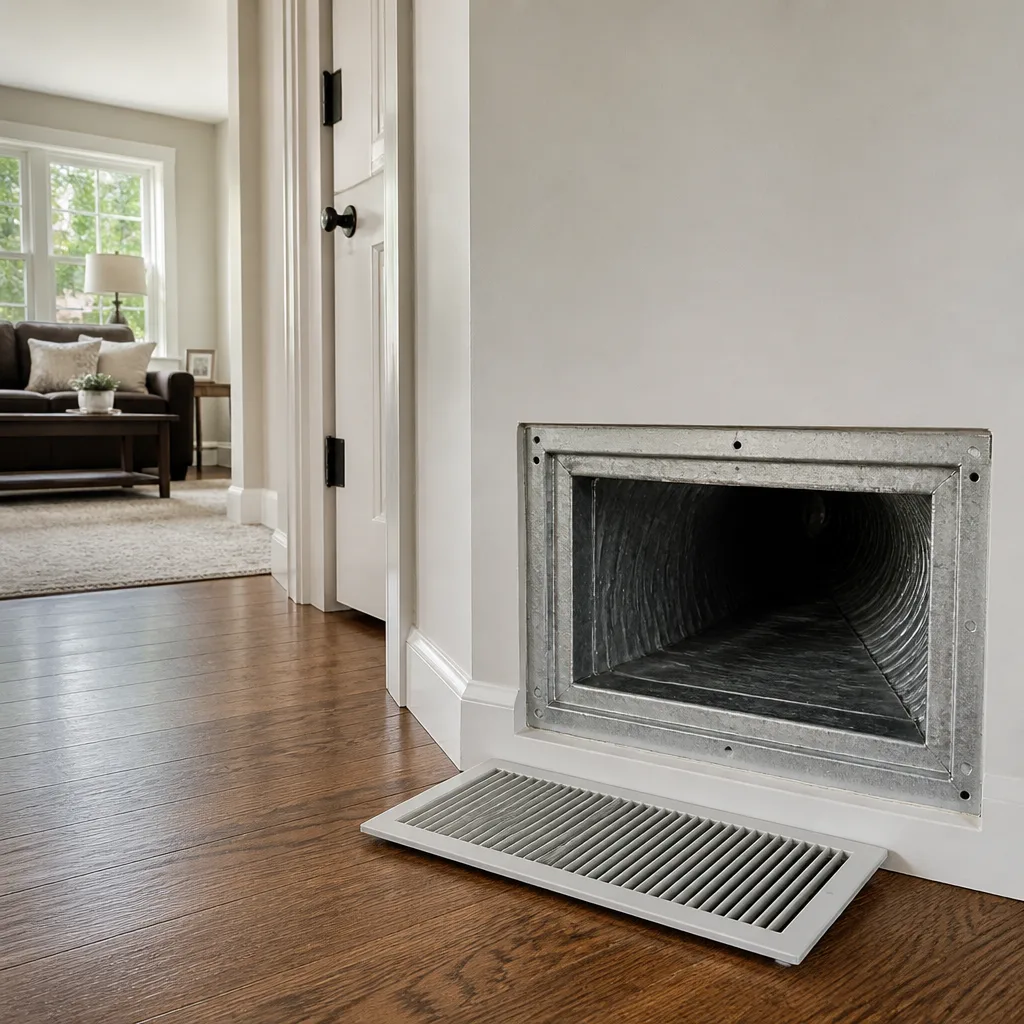 Sanitizing & deodorizing
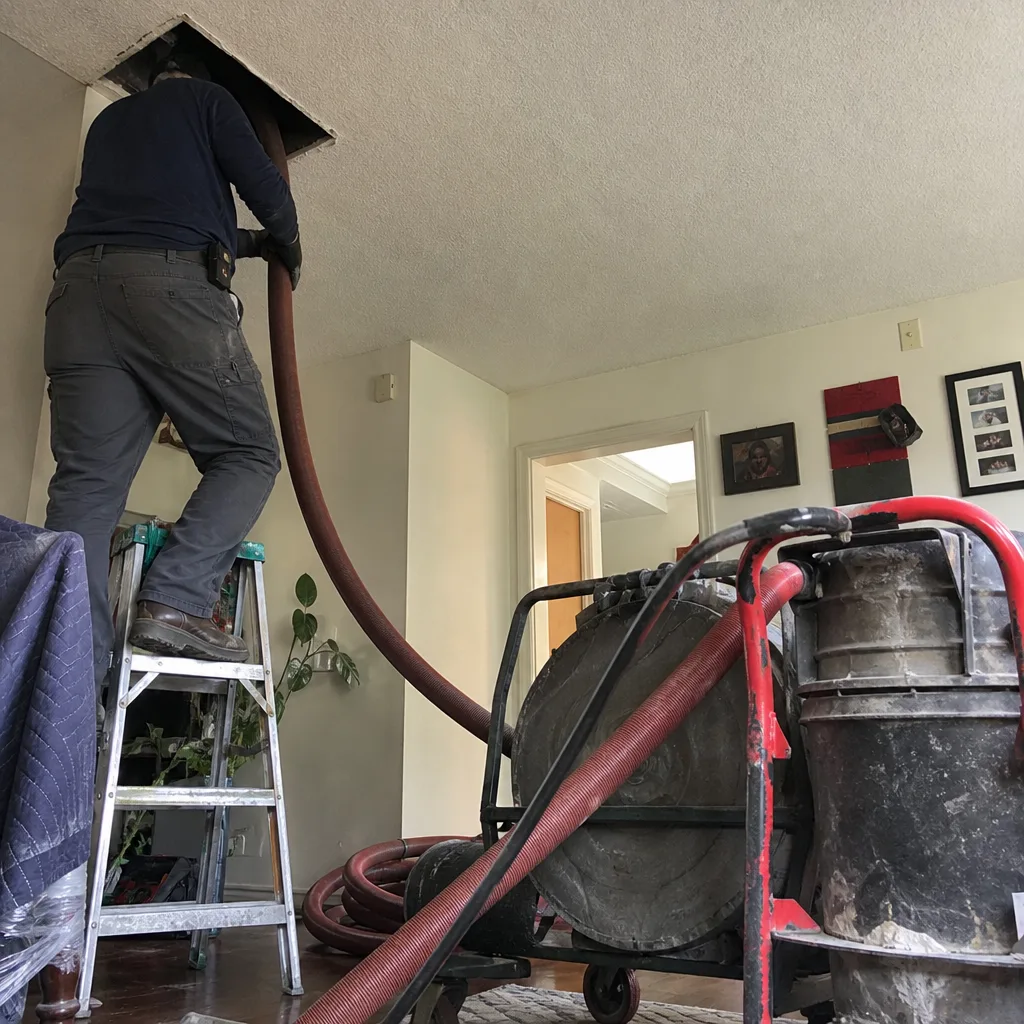
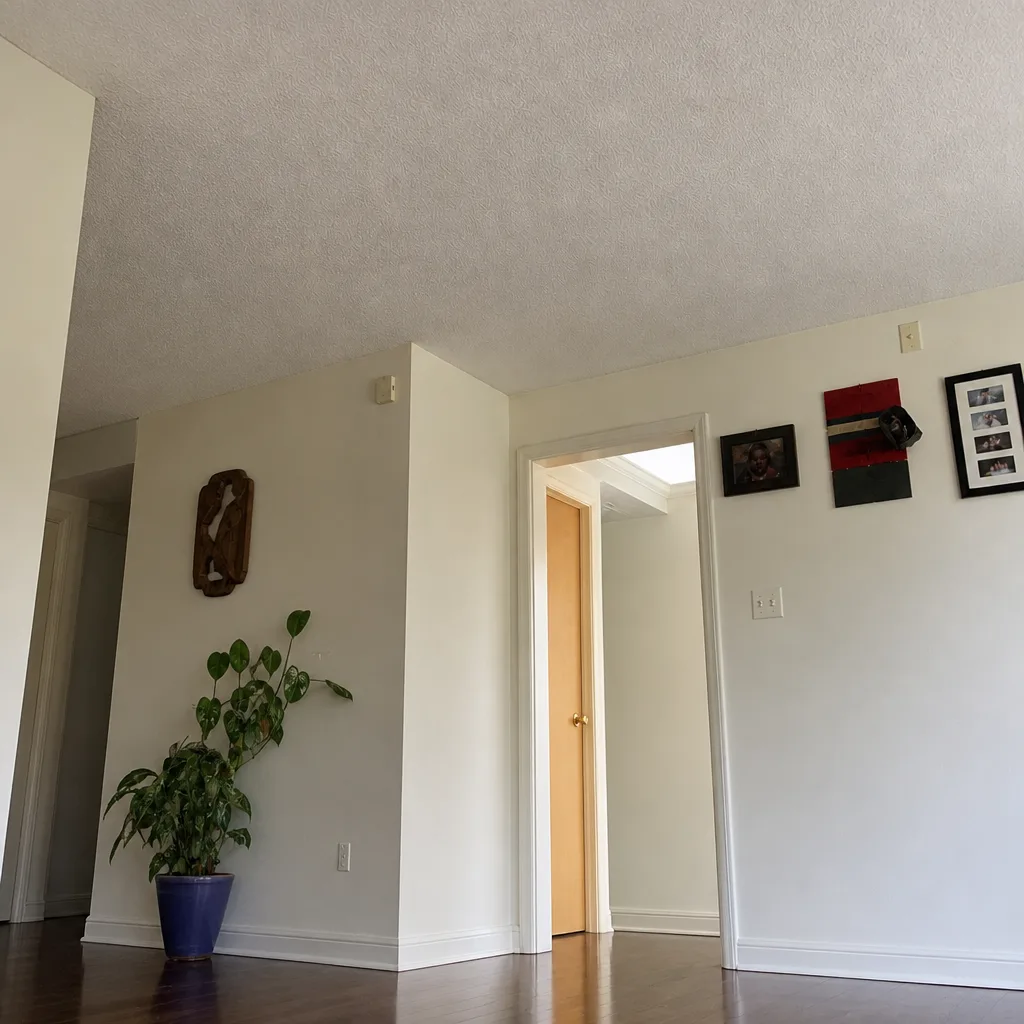
Whole-system duct and dryer vent check with before-and-after photos - you see exactly what came out of your vents
That "$99 whole-house special" is a bait ad - the real number appears once they are in your hallway, or the "clean" is a shop-vac at the register. We photograph the inside of your ducts before and after instead.
Air Duct Cleaning Maintenance Schedule: What to Do and When
The 3-to-5-year figure gets repeated everywhere, and it’s usually presented as a rule. It isn’t one. That number was built around a climate-controlled, single-family home with no pets, no smokers, no recent renovation, and no one in the house with breathing sensitivities. Plenty of homes don’t fit that profile, and a lot of Vallejo housing stock doesn’t either. Set a stopwatch on a generic schedule and you either pay for cleanings you didn’t need or wait years too long while your ducts quietly load up. This guide gives you a decision tree instead of a date, built around the conditions we actually work in here.
Quick Answer
Most homes need professional air duct cleaning every 3 to 5 years, but that interval shortens to 1 to 3 years if you have pets, smokers, recent remodeling, or a home that fills with wildfire smoke each late summer and fall. The right schedule for a Vallejo home is set by conditions, not a calendar, and a yearly visual check is what keeps you from guessing. Inspect your registers and filters at the 12-month mark, and let those results decide when to book.
Styles & brands we work with
- Whole-home duct cleaning
- Dryer vent cleaning
- Camera inspection
- Sanitizing & deodorizing
Table of Contents
- Why a Universal Cleaning Interval Doesn’t Fit Most Homes
- The Condition-Based Maintenance Matrix
- What to Inspect at the 12-Month Mark
- Wildfire Smoke Season as a Separate Maintenance Trigger
- Filter Timing as a Maintenance Layer
- Post-Cleaning Baseline Documentation
- When Cleaning Reveals Duct Repair Needs
- Building a Year-Round Schedule That Works
Why a Universal Cleaning Interval Doesn’t Fit Most Homes
The 3-to-5-year baseline assumes a fairly sterile setup. No shedding pets, no one smoking indoors, no drywall dust settling through the supply trunk, no nearby wildfire smoke pushed through the return. The more of those conditions you add, the more compressed your real interval becomes. That’s the whole premise of a condition-based schedule: you’re not measuring years, you’re measuring how fast your particular system loads up.
Vallejo complicates the standard math in a few ways. We have a large share of older homes, and older ductwork often carries a mix of materials and joints that catch debris differently than newer rigid metal runs. Bay Area humidity isn’t extreme, but it’s enough that damp debris can clump rather than stay loose and easy to move. Add late-summer wildfire smoke pushed through the return side, and a home that looks like a “clean every five years” profile on paper may really belong in a two-to-three-year cycle.
There’s a second reason the generic rule fails. “Duct cleaning” means different things depending on who shows up. A shop-vac and a brush is not the same job as a purpose-built system that agitates the whole run and pulls material out under controlled vacuum. We run air duct cleaning jobs with Rotobrush and Nikro equipment for exactly this reason: results that hold up long enough to justify waiting between cleanings. If the equipment is improvised, the interval shortens whether you like it or not.
The Condition-Based Maintenance Matrix
Here’s how we think about it. Start at the 5-year end of the range for a spotless home with no pets, no smokers, no remodeling, and no one with respiratory concerns. Then subtract time for each condition that applies. This is an estimate, not a formula, but it gives you a defensible starting point for your own home.
| Condition | Effect on Baseline Interval |
|---|---|
| No pets, no smokers, no remodel, no sensitivities | Full baseline of up to 5 years |
| One or more indoor pets | Shorten to roughly 2 to 3 years |
| Smoker in the household | Shorten to roughly 2 to 3 years; smoke residue coats duct walls and doesn’t lift easily |
| Recent renovation or drywall work | Book a cleaning once the dust settles, then restart the clock |
| Repeated wildfire smoke exposure in late summer and fall | Shorten to roughly 2 to 3 years, or treat the smoke season as its own trigger |
| Older duct system with flexible or mixed-material runs | Shorten to roughly 3 years and inspect more closely |
| Household member with asthma or allergies | Shorten to roughly 2 years and rely on filtration upgrades in between |
Stack two or three of those and you’re realistically on a one-to-two-year schedule. A home with a shedding dog, a smoker, and a duct system from the 1970s is not a “clean every five years” house. It’s a house that benefits from a yearly assessment and a professional cleaning on the shorter end of that range.
One clarification, since we hear it a lot: this matrix is not a sales schedule. Plenty of homes sit comfortably on the five-year end and only need a check. The point is to know which house you have.
What to Inspect at the 12-Month Mark
You don’t need professional tools to catch a system that’s loading up early. A yearly walkthrough with a flashlight and a critical eye gets you most of the way. Do these checks in the same month each year so the comparison means something.
- Look at your registers. Pull a few supply registers and shine a light in. A thin, even dust film is normal. Visible clumping, matted dust, or a dark ring around the boot suggests buildup deeper in the run.
- Track filter loading rate. A filter that used to last three months and now looks gray at three weeks is telling you something changed. Either more debris is entering the return, or the filter is doing extra work because the ducts are dirty.
- Feel the airflow. Hold your hand at a register you know well. Noticeably weaker airflow without a filter change points to restriction somewhere in the system.
- Watch for dust returning fast. If you dust a shelf and it’s coated again in a few days, the source may not be the room. It may be the supply side.
- Note smells. A musty or smoky odor at the registers when the system kicks on usually means the ducts are holding something.
Photograph what you find each year. Register interiors, the filter before you change it, the return grille. Your own photos are the most useful record you’ll have, because you’re comparing your house to itself rather than to a generic standard.
Wildfire Smoke Season as a Separate Maintenance Trigger
Late summer through fall is when Bay Area air quality gets tested, and smoke doesn’t respect closed windows. Fine smoke particles ride in through the return side, and they don’t always pass straight through a filter. In our experience, homes that ran their systems through heavy smoke periods come out of the season with a distinctly darker return and filter loading that jumps ahead of the normal curve.
Treat smoke season as its own maintenance event rather than folding it into the general interval. A workable sequence:
- Before the season: change or confirm your filter, and close the fresh-air intake if your system has one you can control.
- During heavy smoke days: run the fan on low with a good filter in place, and keep windows shut. This is where your filtration layer earns its keep.
- After the season: inspect the return and a few supply registers. If the film is heavier than last year, that’s your cue to move the professional cleaning up rather than wait out the full interval.
A home that sits inside a smoke plume for three weeks may need a cleaning a year ahead of its normal schedule. That’s not overselling; it’s what the registers look like afterward. When the load is heavy enough, we bring in equipment from the Abatement Technologies line, which is built for air quality situations with more riding on the result than routine maintenance. Most homes never need that level. Knowing the option exists matters when the season is bad.
Filter Timing as a Maintenance Layer
Filter upgrades are the cheapest maintenance lever you have, and they change what accumulates in the ducts in the first place. Moving from a MERV 8 to a MERV 11 filter catches measurably more of the fine material that would otherwise settle into the return and the supply runs. Do that, keep up with changes, and your professional cleaning interval can stretch back toward the long end of the range.
The trade-off is airflow. Higher-MERV filters are denser, so a badly loaded MERV 11 chokes your system faster than a loaded MERV 8 would. The rule is simple: upgrade the filter, then stay on top of it. Check monthly during smoke season and heavy-use months, and change it when it’s gray, not when it’s black.
We work with Duct Cleaning Vallejo clients regularly who want to move up the filtration scale without over-restricting their system, and the products from Honeywell and Aprilaire come up often because they’re well understood and easy to source filters for. Pairing a better filter with a genuinely clean duct system is what produces the visible difference. Better filtration on dirty ducts just means the filter loads faster.
Post-Cleaning Baseline Documentation
Here’s the part most homeowners skip, and it’s the part that makes every future decision easier. When a cleaning is finished, you want a visual record of what the ducts look like clean. That’s your baseline. Without it, every future “do we need a cleaning?” question starts from zero.
What a useful baseline includes:
- Photos of the main trunk and at least a couple of supply runs immediately after cleaning.
- A photo of the return plenum and the blower area if it was accessed.
- The date of service and the equipment used, so you know what “clean” was measured against.
- A short note on any areas that were borderline or flagged for future attention.
Before-and-after photos of your own ducts belong in that file. They’re not marketing; they’re your record. When you’re standing in your hallway twelve months from now wondering whether the buildup you’re seeing is normal, the baseline photo answers the question in seconds. We provide before-and-after photos as part of the service for exactly this reason. It also answers the understandable worry about bait-and-switch: if the work is documented, you know what was done.
When Cleaning Reveals Duct Repair Needs
Cleaning and repair are separate jobs, but they show up together. Debris that collects at a joint is often debris escaping through a gap, and the cleaning is how you find out. Compromised connections, torn flexible runs, and separated joints aren’t rare in older Vallejo housing, and they affect both air quality and how hard your system has to work to move air.
The practical advantage of having both under one service is that you don’t schedule a second contractor for a follow-on job. We handle air duct cleaning and repair together, so if something turns up mid-service, it gets addressed in the same visit rather than sitting open for weeks. That matters, because a gap you already know about tends to get worse, and it undermines the cleaning you just paid for.
What we typically flag during a cleaning: disconnected joints at the plenum, crushed or kinked flexible runs, torn duct wrap or insulation, and registers that were never properly sealed to the boot. None of those are cleaning problems. They’re repair problems that cleaning surfaces. When we find one, we tell you what it is and what the fix involves. We find it, we fix it, and you get a cleaned and cleared system in one visit instead of two.
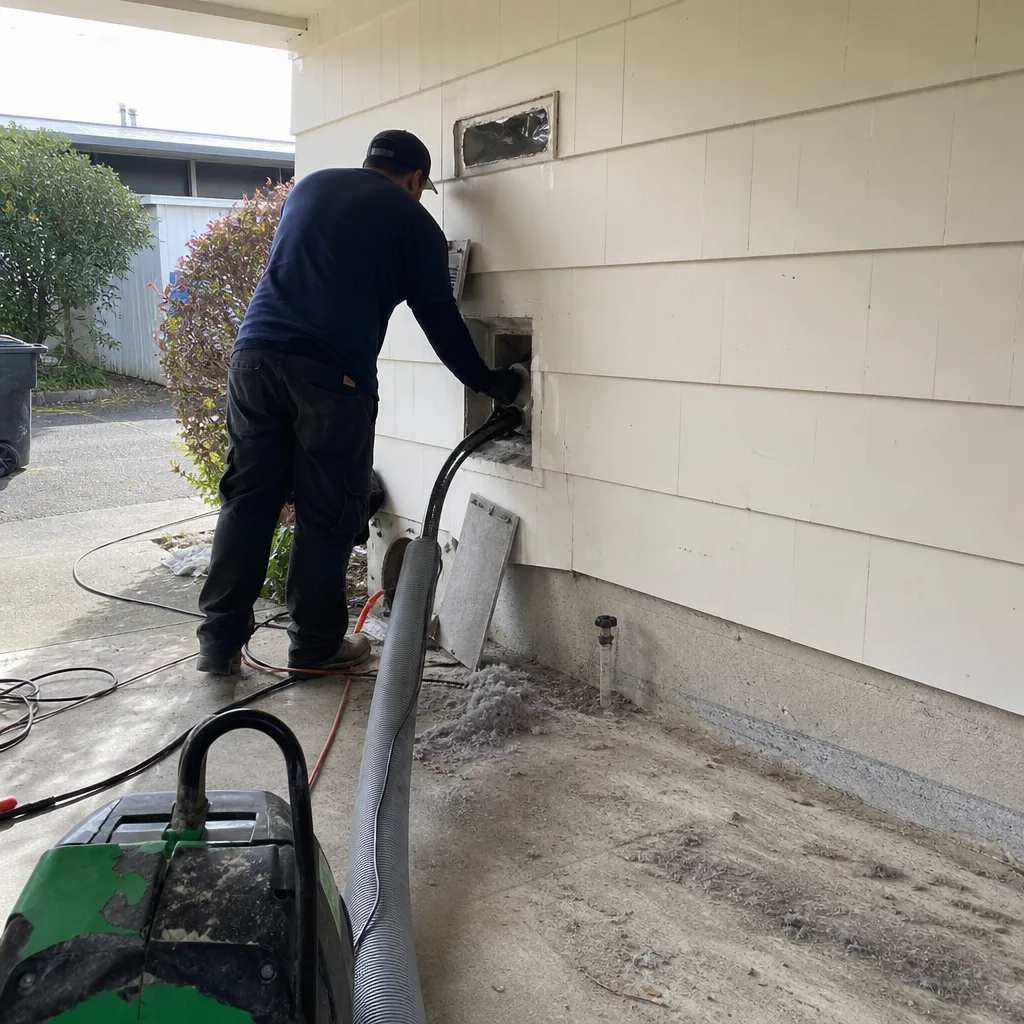
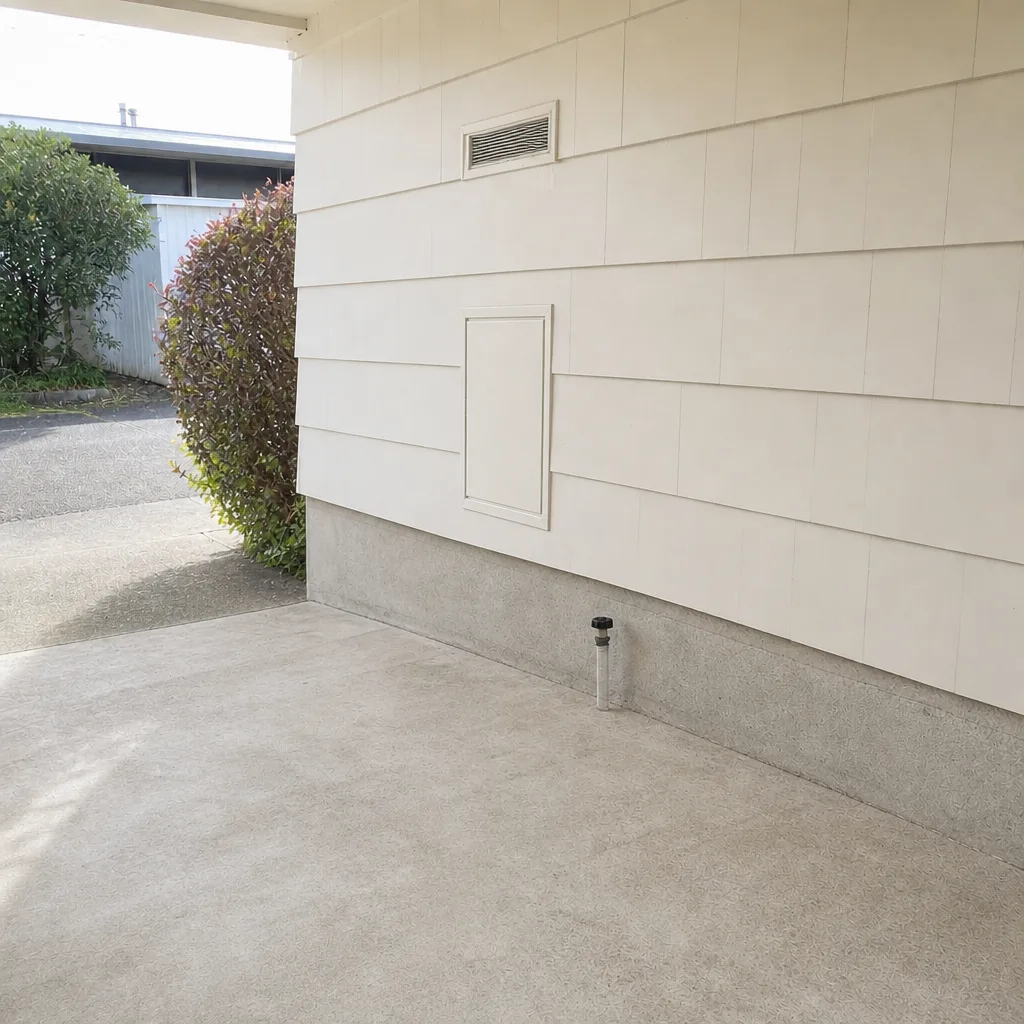
Separately, your dryer vent runs on a different schedule than your air ducts, and it deserves its own line item. Lint accumulates faster than duct debris, and it’s a fire risk rather than a comfort issue. If you’re setting a maintenance calendar for your home, dryer vent cleaning belongs on it as a standalone entry.
Building a Year-Round Schedule That Works
Put it all together and you have a maintenance calendar that reflects your actual house. Here’s a working version you can adapt:
- Every month: glance at the filter. Change it when it’s gray. During smoke season, check it weekly.
- Every 12 months: do the register-and-airflow walkthrough and photograph what you find. Compare it to last year’s photos.
- Before smoke season: fresh filter, intake closed, windows shut on heavy days.
- After smoke season: inspect the return. If it’s loaded beyond the usual, move your cleaning up.
- Per your condition matrix: book a professional cleaning at the interval your home actually earns, not the generic one.
- After every cleaning: save the baseline photos and the notes.
The single most common scheduling mistake we see is treating the cleaning as the whole maintenance plan. It isn’t. The filter changes, the yearly check, and the documentation are what determine how often you need the professional visit. Homeowners in Vallejo who run this cycle consistently tend to drift toward longer intervals, because they catch the loading early and don’t let it compound. That’s a cheaper way to own a house.
Common Mistakes to Avoid
- Following the 3-to-5-year rule for a home that doesn’t fit the profile. The baseline assumes no pets, no smokers, no renovation, no sensitivities. If any of those apply to you, the interval is shorter. Don’t wait for a five-year clock that was never set for your house.
- Skipping the yearly inspection because “it’s not time yet.” The inspection is what tells you whether it’s time. Without it, you’re guessing, and guessing is how homeowners end up either over-cleaning or waiting years too long.
- Upgrading to a high-MERV filter and then forgetting it. A dense filter that loads up chokes your system’s airflow. Upgrade if you want to extend intervals, but commit to checking it monthly during smoke season.
- Treating a cleaning as a one-time fix. Duct cleaning resets the system. It doesn’t keep it clean. The filter, the inspection, and the documentation are what protect that reset.
- Not documenting the clean state. If you don’t have photos of your ducts after cleaning, you’ll have no way to judge what you’re seeing a year later. Ask for before-and-after photos and keep them.
- Calling a generalist for a job that needs specialist equipment. Shop-vac workarounds don’t agitate the full run or pull material out under controlled vacuum. The result is ducts that look better at the register and are no cleaner inside.
- Overlooking the dryer vent. Lint buildup in a dryer vent is a fire risk, not a comfort issue, and it needs its own cleaning schedule. Duct-only specialists often skip it.
See the difference
 Before
 After
 Before
 After
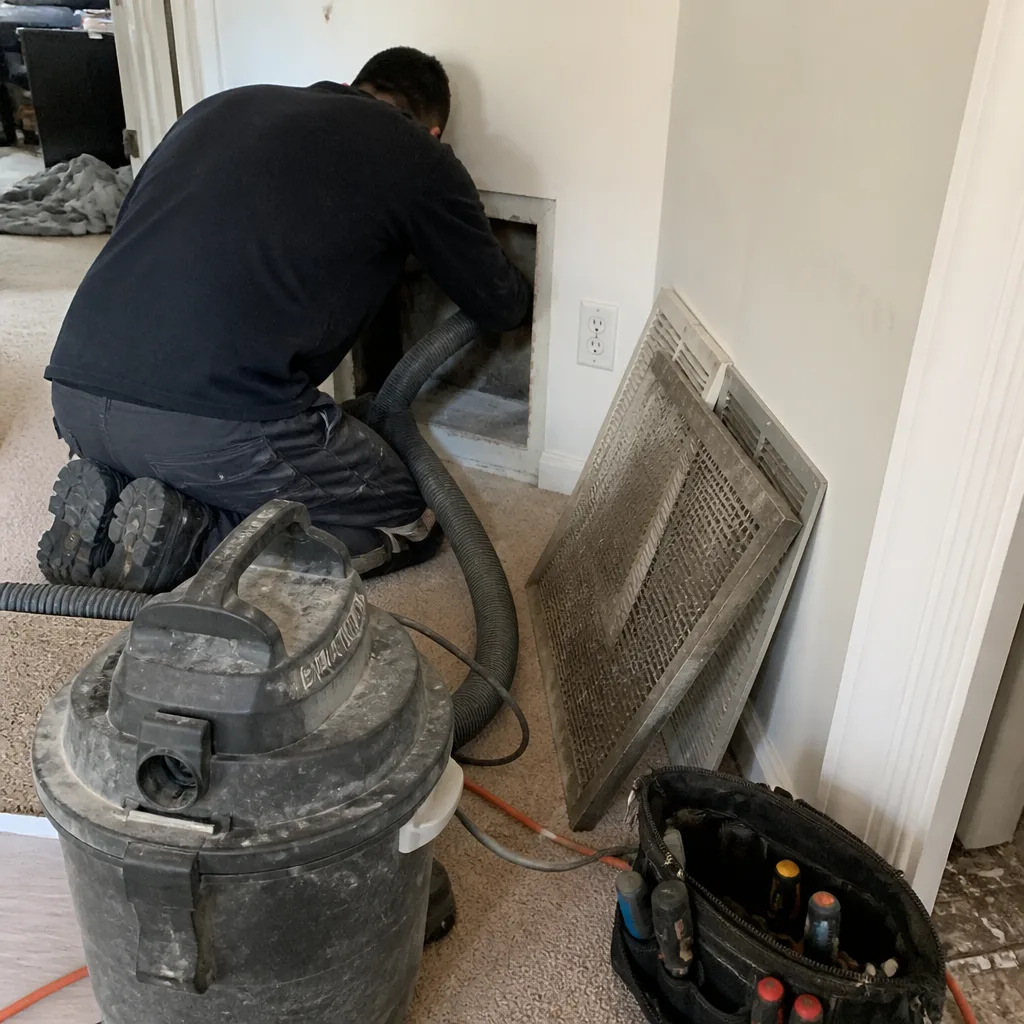 Before
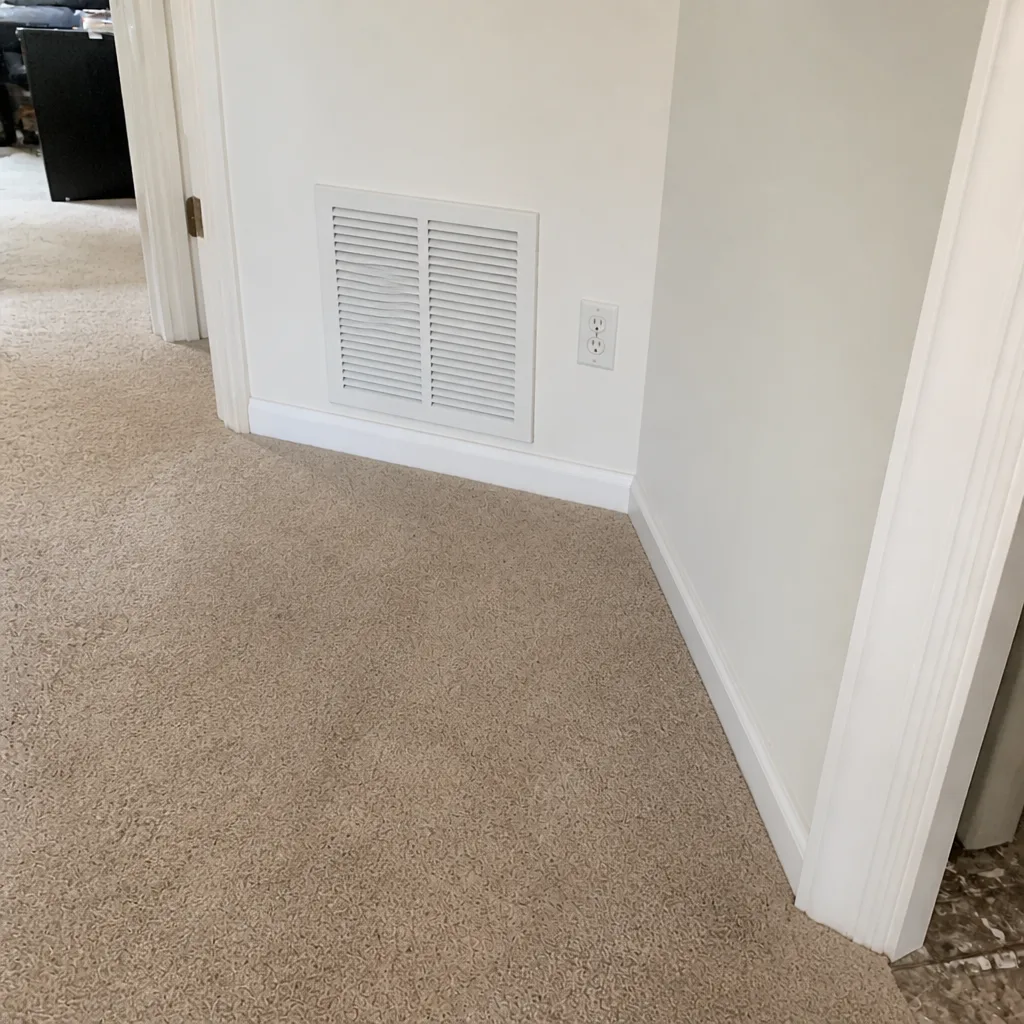 After
When to Call a Professional
Some situations call for a professional visit rather than another year of inspection. Call us if your registers show heavy buildup despite regular filter changes. Call if you’ve finished a renovation and the drywall dust has settled. Call after a bad smoke season if your return and registers look notably darker. Call if airflow has dropped and a filter change didn’t fix it. Call if you’re buying a home and want the ducts assessed before you move in, or if anyone in the house has asthma or allergies and you want a clean starting point. We offer free estimates in Vallejo: call (844) 859-6986. We answer 24/7. Fast dispatch from 7am to 7pm, Sunday through Friday. Our technicians have up to 11 years of experience, and we bring professional-grade equipment, not improvised tools.
Frequently Asked Questions
Most Vallejo homes need a professional cleaning every 3 to 5 years, but that range shortens to 1 to 3 years if you have pets, smokers, recent remodeling, or a house that fills with wildfire smoke each late summer and fall. The right interval depends on your conditions, not a generic calendar. A yearly inspection is the reliable way to set it. Call (844) 859-6986 for an exact quote, estimates are free.
Often yes. Late summer through fall is when smoke exposure stacks up on the return side, and homes that ran their systems through heavy smoke periods tend to come out with noticeably heavier buildup than the normal curve predicts. Inspect your return and a few registers after the season ends. If the film is heavier than the year before, move your cleaning up. Call (844) 859-6986 to schedule a free estimate.
Yes, generally. Moving from MERV 8 to MERV 11 catches more of the fine material that would otherwise settle into your ducts, which lets you stretch the professional cleaning interval back toward the longer end. The catch is that a denser filter loads faster, so you have to check it more often. Filters from brands like Honeywell and Aprilaire are easy to source and well matched to residential systems. Call (844) 859-6986 if you want help deciding what your system can handle.
Pricing is per system, not per vent, and it’s set by a written estimate before any work starts. That’s how you avoid the bait-and-switch pattern where a teaser coupon turns into a much larger invoice once the technician is on site. We give one flat price per system and provide before-and-after photos of your own ducts so you know what was done. Call (844) 859-6986 for an exact quote, estimates are free.
Ask for before-and-after photos of your ducts at the time of service, and keep them as your baseline. A documented job is one you can verify, and the photos make every future maintenance decision easier because you’re comparing your system to its own clean state. Without that record, you’re relying on a verbal report. We provide before-and-after photos as part of the service. Call (844) 859-6986 to book a free estimate.
Yes, and this is one of the practical reasons to book a specialist rather than a generalist. Cleaning regularly surfaces compromised joints, torn flexible runs, and crushed sections, and having repair under the same service means no second contractor and no open gap waiting weeks to be fixed. We handle cleaning and repair together, so the system gets cleaned and cleared in one visit. Call (844) 859-6986 for a free estimate in Vallejo.
The Bottom Line
The right cleaning schedule for your home is set by your conditions, not by a generic number. Start with the 3-to-5-year baseline, then shorten it for pets, smokers, renovation, smoke season, older ductwork, or anyone in the house with respiratory concerns. Do a yearly register-and-filter inspection and photograph it. Get your filter right and keep it changed, especially through smoke season. Book the professional cleaning at the interval your house actually earns, and keep the before-and-after photos from every service as your baseline. That’s the whole system, and it works whether you’re in a newer build or an older home anywhere in Vallejo.
If you’d rather have a professional assessment than guess, we’re happy to help. Duct Cleaning Vallejo handles air duct cleaning, dryer vent cleaning, and duct repair with Rotobrush and Nikro systems, and we can work with your insurer if a covered issue comes up. Call (844) 859-6986 for a free estimate. We answer 24/7. Fast dispatch from 7am to 7pm, Sunday through Friday.
Written by the team at Duct Cleaning Vallejo.