
Last updated November 15, 2026
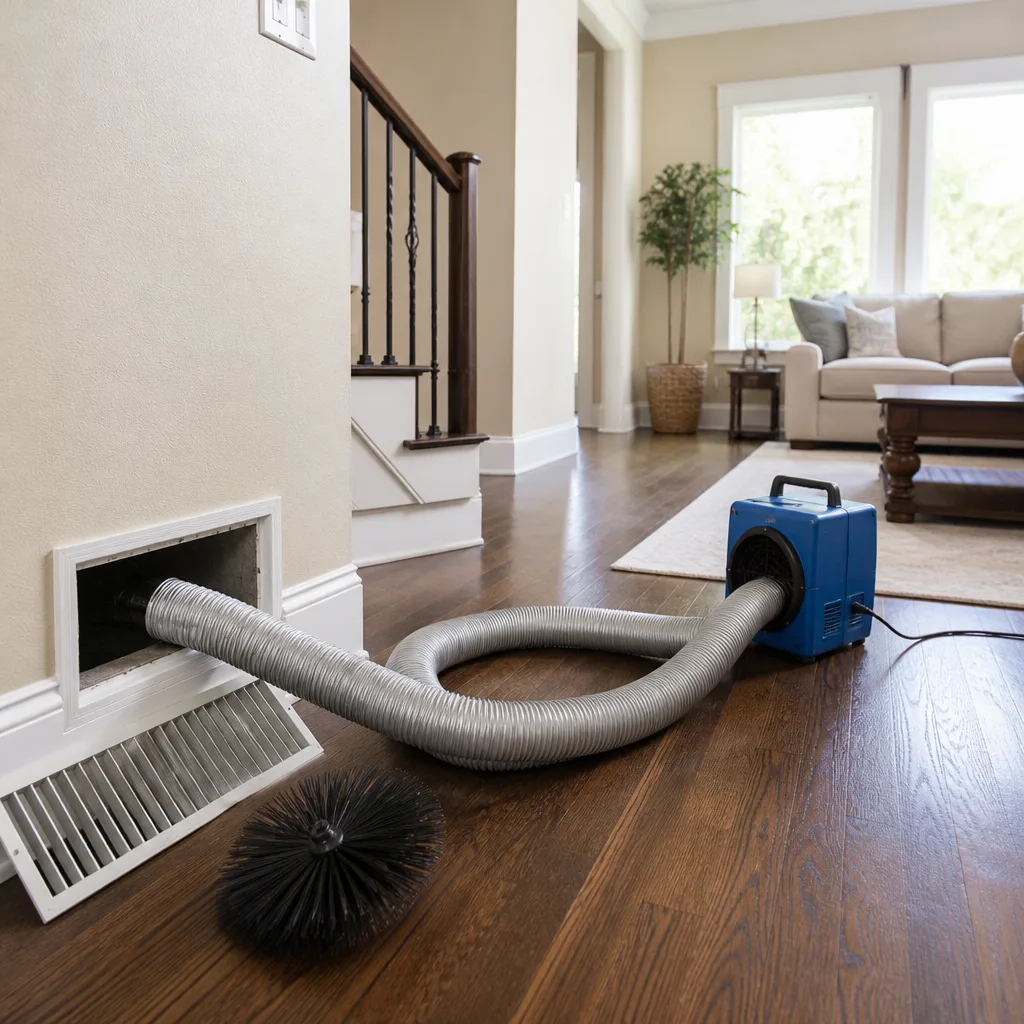 Whole-home duct cleaning
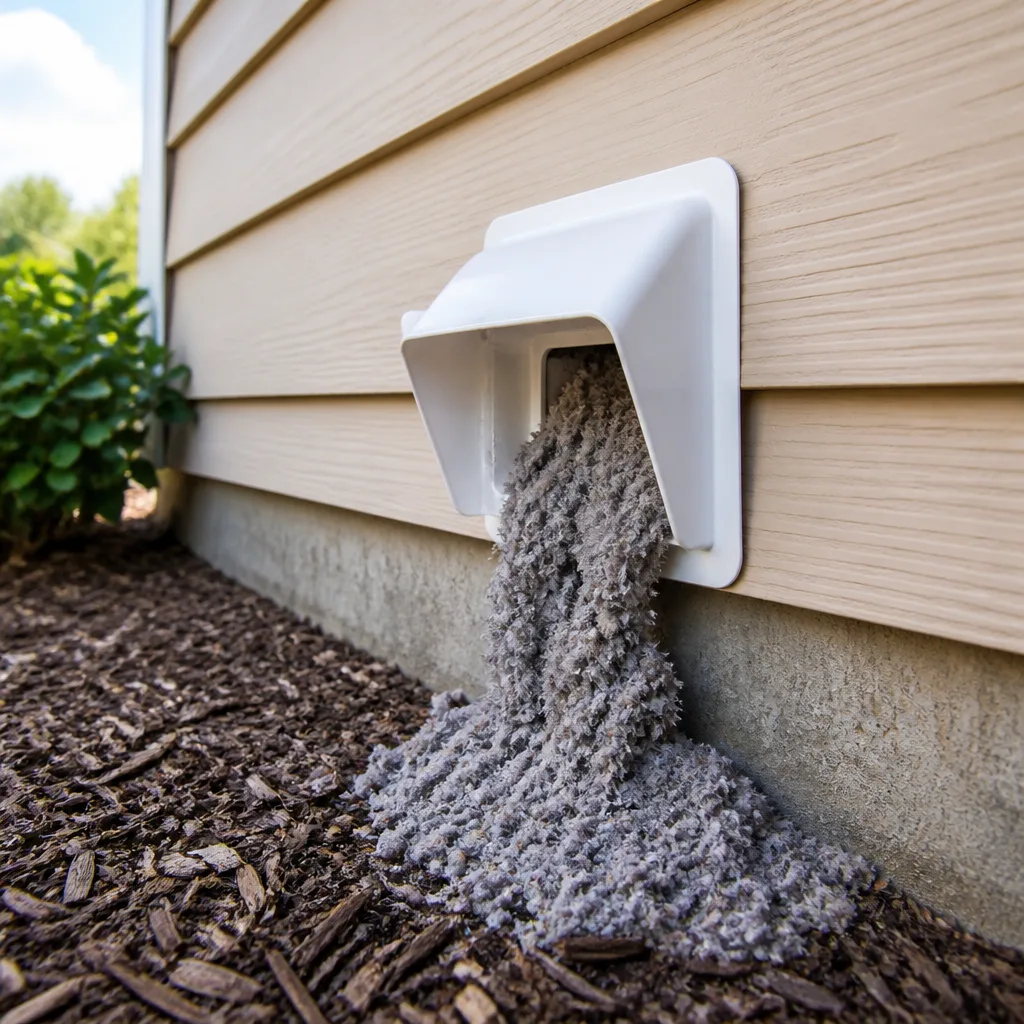 Dryer vent cleaning
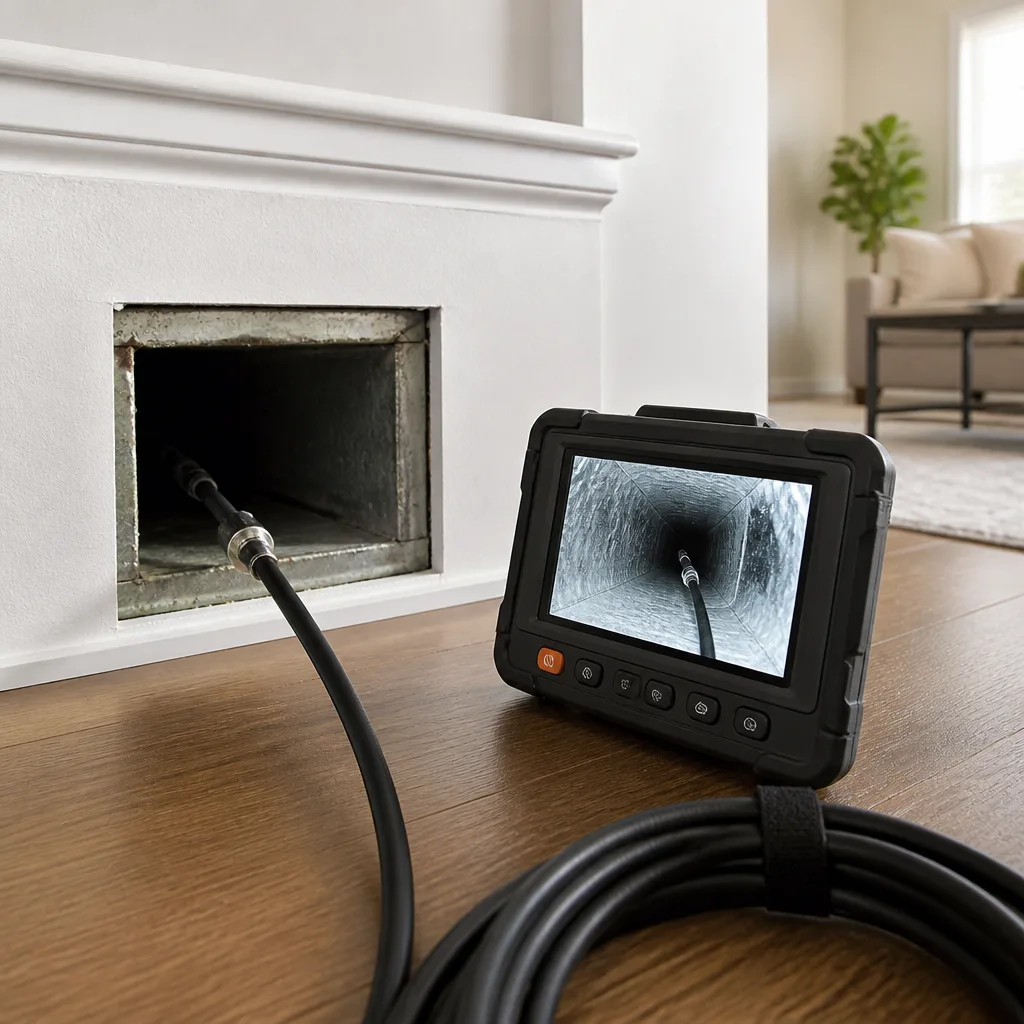 Camera inspection
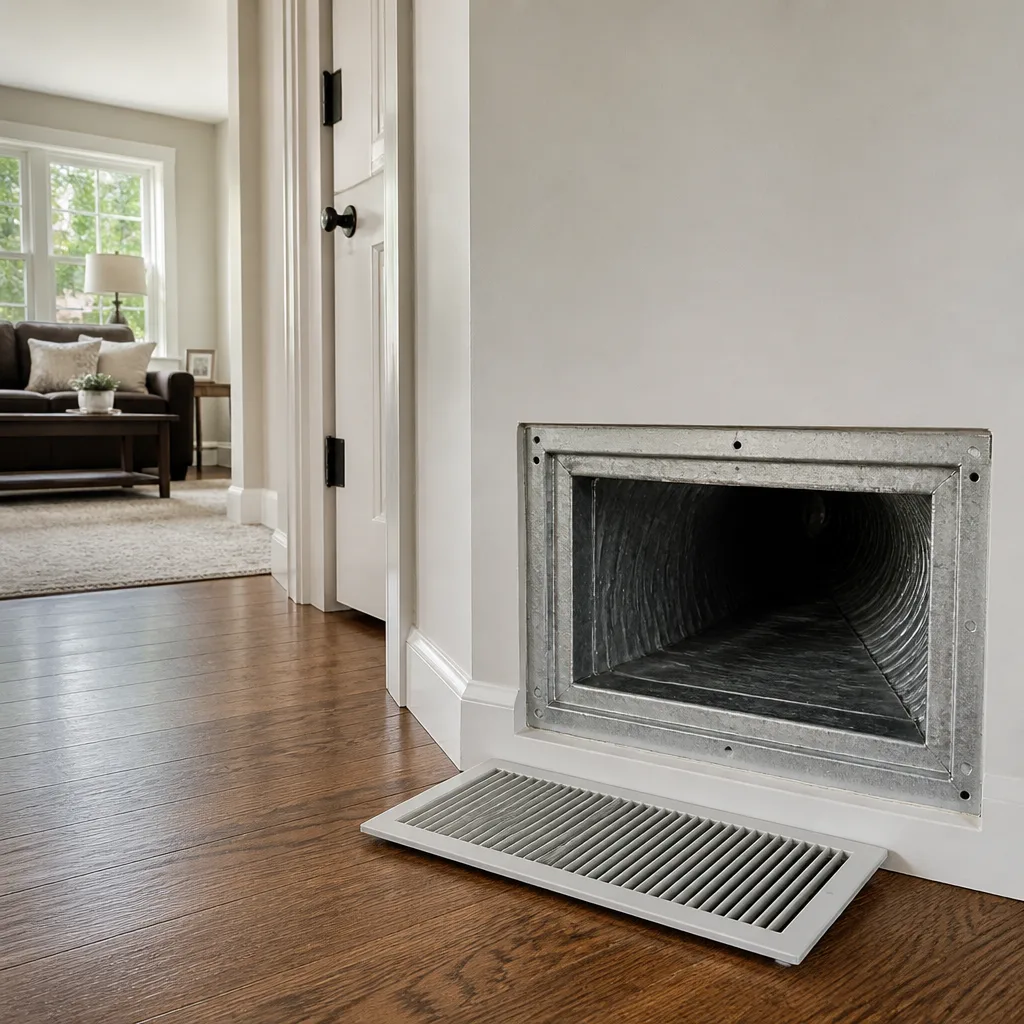 Sanitizing & deodorizing
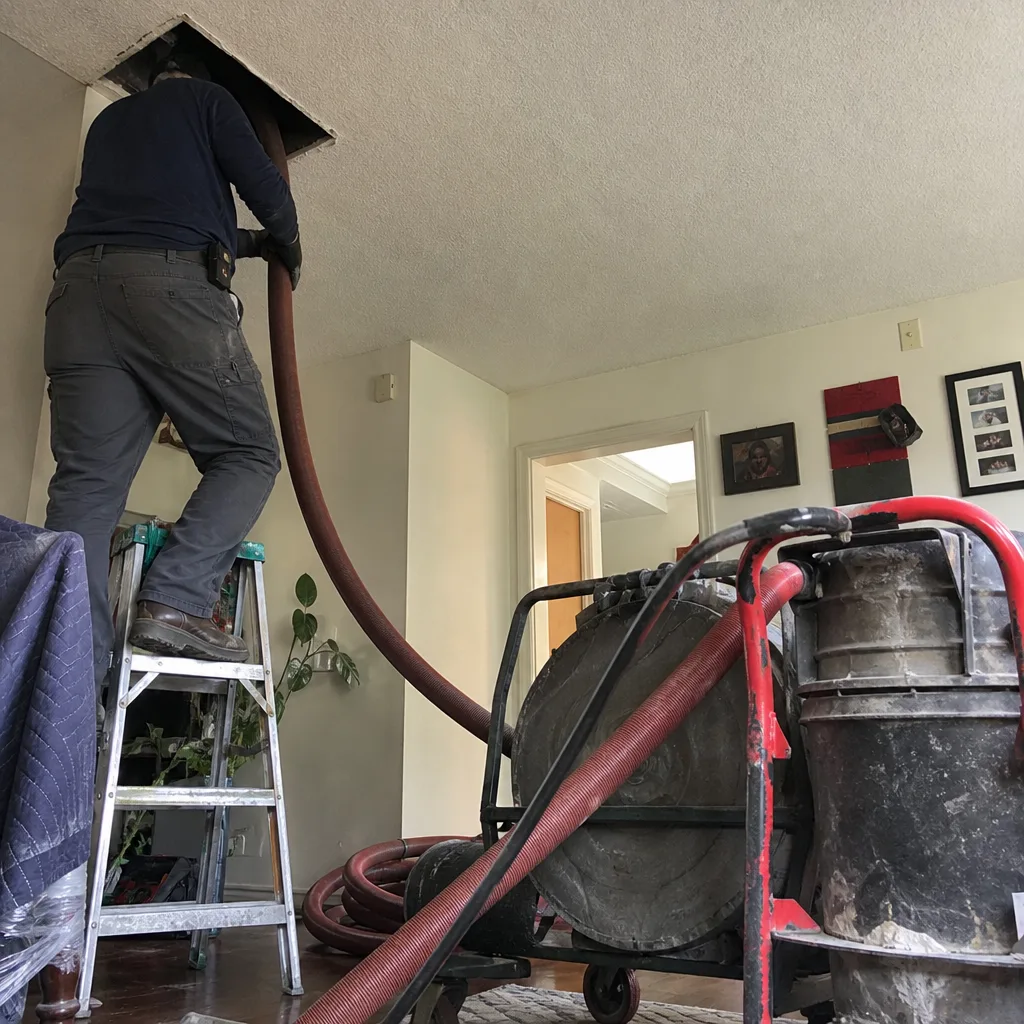
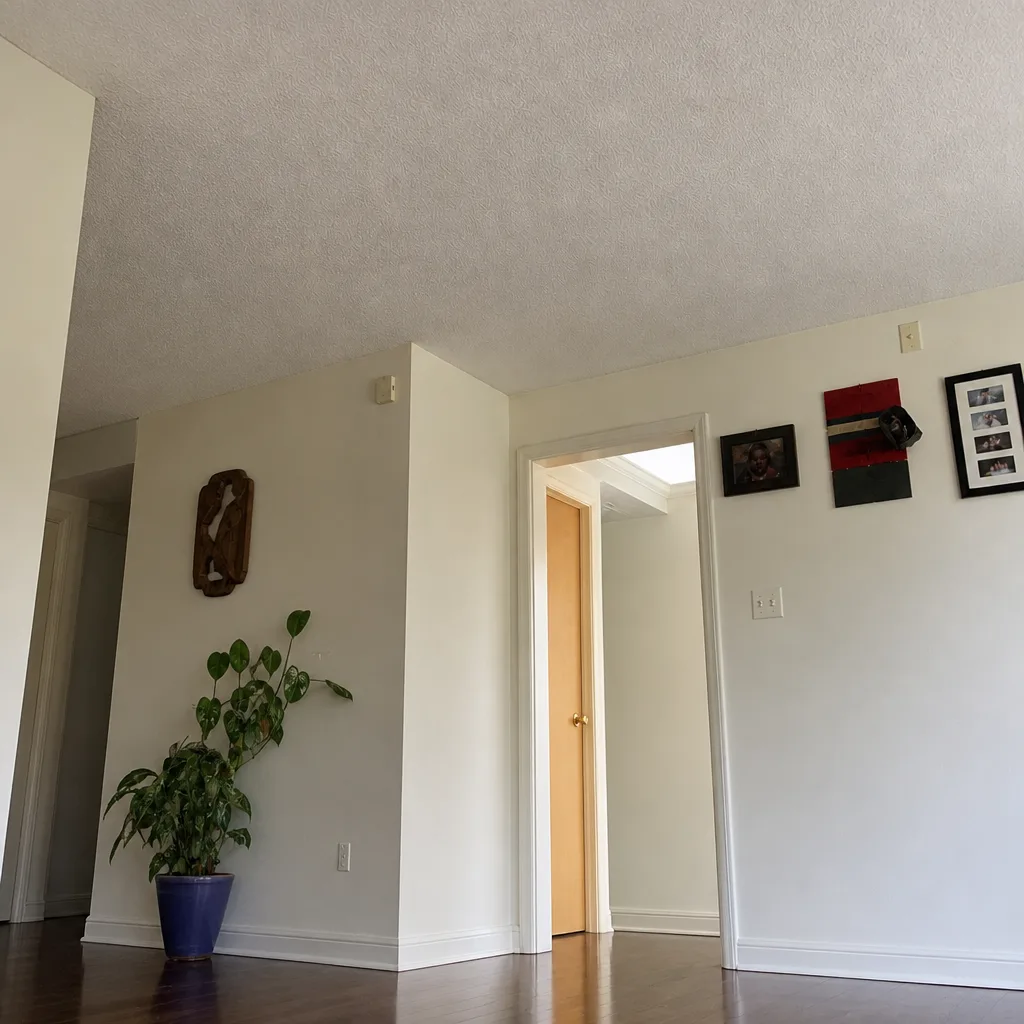
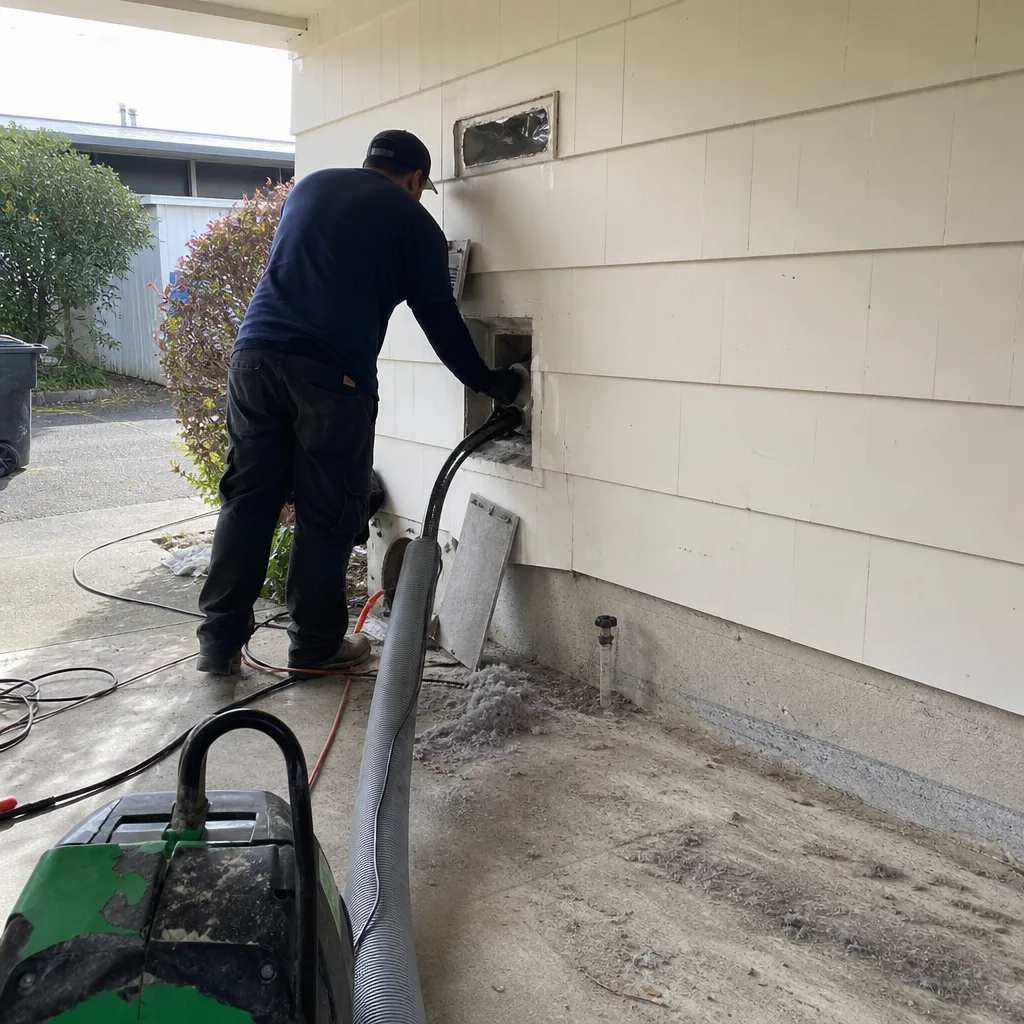
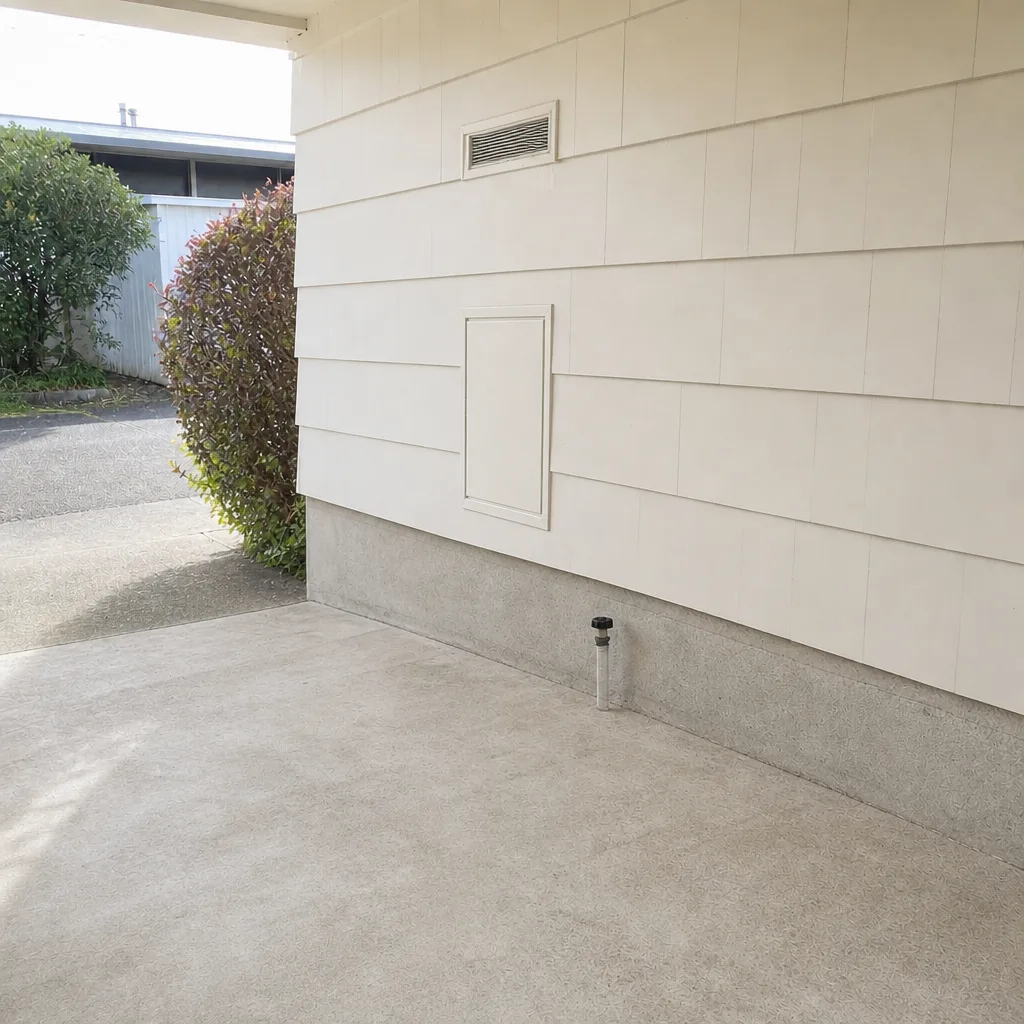
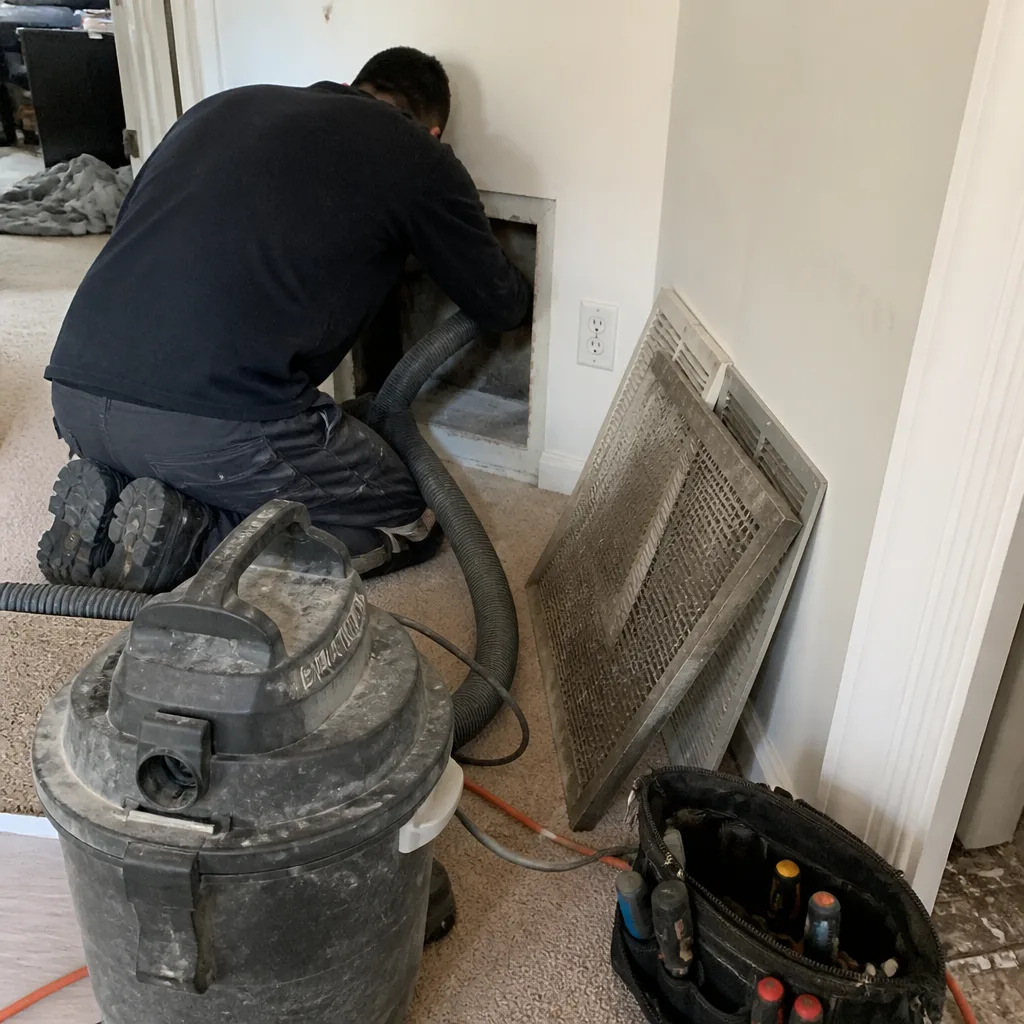
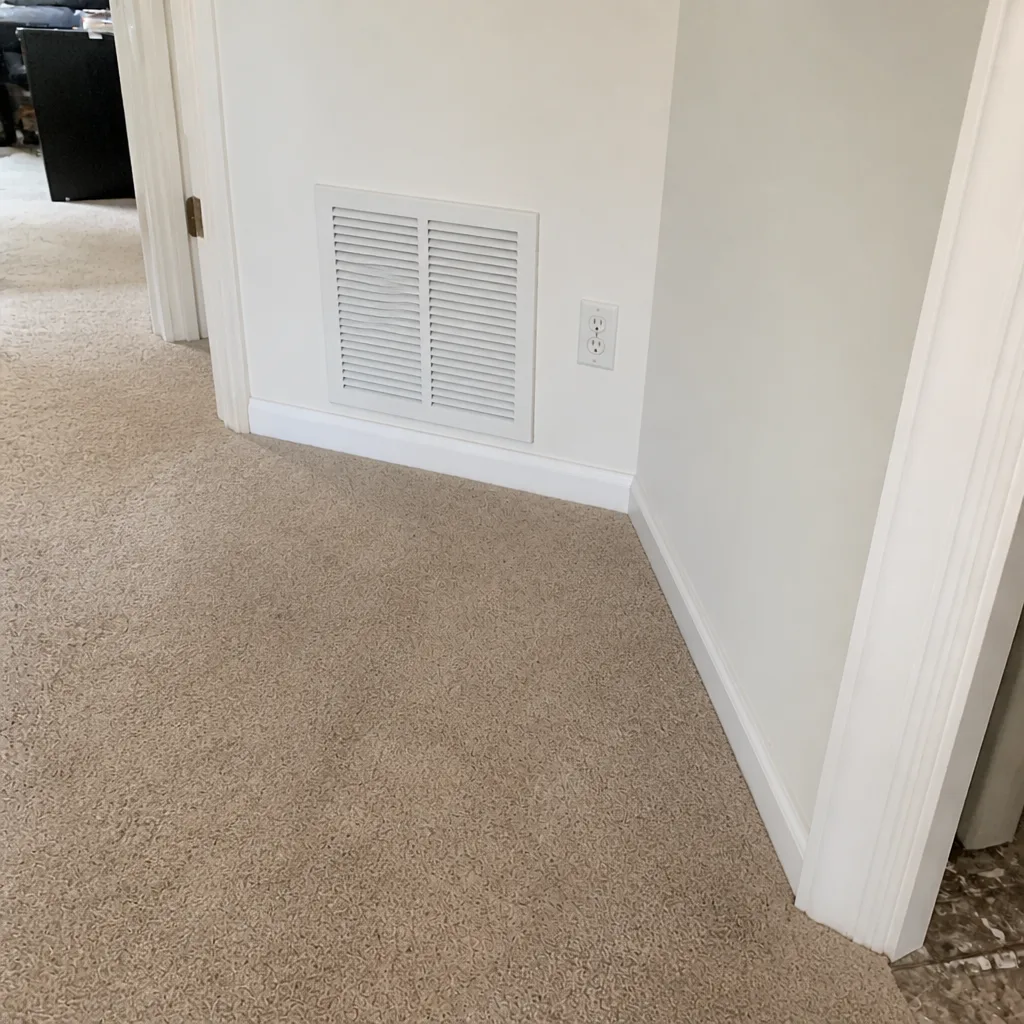
Whole-system duct and dryer vent check with before-and-after photos - you see exactly what came out of your vents
That "$99 whole-house special" is a bait ad - the real number appears once they are in your hallway, or the "clean" is a shop-vac at the register. We photograph the inside of your ducts before and after instead.
Seasonal Air Duct Cleaning Care for Vallejo: Year-Round Homeowner’s Guide
Telling a Vallejo homeowner to “clean the ducts in spring and fall” is like giving someone driving directions to a city you’ve never been to. The advice sounds reasonable and gets you nowhere useful. Vallejo doesn’t run on four tidy seasons. It runs on a fire smoke window, a wet marine layer stretch, a dry heat run, and a wildfire recovery phase, and each one loads your duct system differently. A calendar built for Ohio weather doesn’t map cleanly onto a Solano County house. This guide maps real maintenance tasks to the conditions that actually hit Vallejo, month by month, so you’re cleaning at the right time for the right reason instead of checking a box twice a year.
Quick Answer
In Vallejo, the highest-value time to clean your air ducts is late spring, before fire season, roughly May into June, because that’s when you remove built-up dust and debris before smoke events push you to run the system harder. Your second key window is after a major smoke event, when a professional assessment tells you whether cleaning is warranted or a filter change is enough. Winter is about moisture control, not cleaning, and summer is about managing the heavy HVAC runtime that dry heat drives.
Styles & brands we work with
- Whole-home duct cleaning
- Dryer vent cleaning
- Camera inspection
- Sanitizing & deodorizing
Table of Contents
- Why Vallejo’s Climate Doesn’t Fit a Generic Cleaning Schedule
- Pre-Fire-Season Preparation: The Highest-Value Window
- Post-Wildfire Smoke Protocol: When to Clean and When to Wait
- Winter Rainy Season: Moisture, Crawl Spaces, and Delayed Mold Risk
- The Summer Heat Stretch: Runtime, Dust Loading, and Filters
- Building Your 12-Month Vallejo Duct Calendar
- What Professional Equipment Actually Changes
- Common Mistakes to Avoid
- When to Call a Professional
- Frequently Asked Questions
Why Vallejo’s Climate Doesn’t Fit a Generic Cleaning Schedule
Most national duct cleaning advice is written for a place with a cold winter and a hot, humid summer. Vallejo is a different animal. Winters are mild and wet, summers are dry and hot, and the biggest seasonal threat to your indoor air isn’t temperature at all. It’s smoke. That mismatch is the whole reason this guide exists.
Here’s the pattern that matters for your ducts. During the wet months, roughly November through February, moisture finds its way into crawl spaces and any duct run that has lost its seal. During the dry heat months, your HVAC system runs far more hours than a coastal schedule would predict, and every hour of runtime pulls dust across the filter and through the supply runs. Then fire season arrives, and suddenly the same system that’s been quietly circulating household dust is now circulating smoke particles. Each phase puts a different kind of stress on the duct system, and each one calls for a different response. Cleaning the ducts because the calendar says “spring” ignores all of it.
What we’ve seen working in Vallejo is that homeowners who understand the local cycle stop guessing and start scheduling around the two windows that actually matter: pre-fire-season cleaning and post-smoke assessment. Everything else is moisture control and filter discipline. If you take one idea from this section, take that one.
Pre-Fire-Season Preparation: The Highest-Value Window
If you clean your ducts once this year, do it in May or June, before fire season. That’s the single highest-value cleaning window on the Vallejo calendar, and it’s the one most homeowners miss because generic advice points them at spring or fall instead.
The logic is straightforward. Your duct system accumulates a season’s worth of dust, pet hair, pollen, and fine debris during the wet months, when the house is closed up more and the system cycles continuously. If you enter fire season with that load still sitting in the supply runs, you’re asking the system to move smoke through dirty ducts. Clean the ducts first, and the system has a clean baseline to work from. Come the first smoke event, a decent filter does far more good when it isn’t fighting a year of accumulated dust.
What to prioritize in that May-June window, in order:
- The full supply and return system. A whole-system cleaning using professional equipment removes the accumulated load, not just what you can reach from a vent.
- The blower compartment and coil area, within the scope of duct cleaning. Dust that collects there gets reintroduced to the airstream. Cleaning the ducts without addressing the air handler is incomplete work.
- Filter fit and quality. Before fire season, upgrade to a filter with a proper MERV rating for your system and confirm it seals against its frame. A great filter with a poor seal lets smoke bypass it entirely.
- Any obvious duct damage. A disconnected or crushed run found during cleaning should be repaired before smoke season, not after. We’ll come back to that in the air duct cleaning context below.
This is also the window we’d tell a skeptical homeowner not to skip. A cleaning in May means you start fire season from a known state. You know the ducts are clean, you know the filter is right, and if smoke does get in, you’re assessing one event instead of a season of layered buildup. That’s real value, and it’s why this is the window we steer people toward first in Vallejo.
Post-Wildfire Smoke Protocol: When to Clean and When to Wait
After a smoke event, homeowners often want to clean the ducts immediately. That instinct is understandable, but the honest answer is that most smoke events don’t require a full duct cleaning. A good filter, run properly during the event, absorbs a great deal of the particulate. Cleaning is warranted when the smoke has genuinely entered the duct system, not simply because the sky was hazy for a week.
What actually gets into a duct system during a smoke event is mostly fine particulate and odor. Fine particulate reaches the ducts when the system runs with smoke in the indoor air, and it settles on surfaces inside the supply runs and the blower. Odor compounds can cling to interior surfaces too. But the volume that reaches the ducts in a well-sealed, well-filtered system is modest. The system that gets loaded is the one with degraded filter seals, disconnected runs in a crawl space, or a return that pulls air from a leaky attic. That’s where the real work lands.
Here’s a practical triage for deciding what to do after a smoke event:
- Light smoke, short duration, clean filter in place, no unusual odor: replace or clean the filter, run the system briefly, and wait. Cleaning is generally not needed.
- Dense smoke, multiple days, persistent smoky odor inside the house after the air clears: this is when a professional assessment makes sense. Odor that lingers in the ducts after the outside air clears suggests material settled inside the system.
- Known duct damage, disconnected runs, or a crawl space return: assess even after a moderate smoke event, because the system had a direct path for smoke to bypass the filter.
- Ash visible around vents or on register grilles: worth a professional look. Ash on the grille suggests it’s getting past the filter somewhere.
Our technicians have up to 11 years of experience, and the pattern we’ve seen in Vallejo is that the homes needing real post-smoke intervention usually had a pre-existing duct problem the smoke just exposed. That’s why pre-fire-season preparation pays off: it removes the variable.
Winter Rainy Season: Moisture, Crawl Spaces, and Delayed Mold Risk
Vallejo’s rainy season runs roughly November through February, and the duct system’s biggest winter threat isn’t rain falling on the house. It’s moisture getting into crawl spaces and finding its way into duct runs that have lost their seal. That’s the part homeowners don’t see until spring.
Here’s the mechanism. Many Vallejo homes sit over a crawl space, and older crawl spaces are damp through the wet months. A disconnected or poorly sealed duct run passing through that space acts like a straw. The HVAC system constantly pulls air through the supply and return runs, and a gap in the duct draws crawl space air into the airstream. That air carries moisture, and moisture inside a duct system with a food source (dust, debris) is exactly the condition mold needs. The problem doesn’t show up in December. It shows up in March or April, when a homeowner notices a musty smell the first time the system runs hard.
Winter maintenance is therefore about inspection and sealing, not cleaning. What to check during the wet season:
- Visible duct runs in the crawl space. Look for sections that have come apart at the joints, tape that has failed, or flex duct that has been crushed.
- Condensation on duct surfaces. Moisture beading on the outside of a duct run is a sign of a temperature or sealing problem worth addressing.
- The return path. If a return pulls air from a damp crawl space or a leaky attic, seal it before the wet season, not during it.
- Early musty odor. A smell that appears before spring is a signal to check for moisture intrusion, not to mask it with a filter.
This is where duct repair earns its place. A disconnected run found in January and repaired before the rains set in prevents the spring mold discovery entirely. We handle dryer vent cleaning on the same visit in many homes, since the vent shares the same concern: a compromised path moving damp air where it shouldn’t.
The Summer Heat Stretch: Runtime, Dust Loading, and Filters
Vallejo summers are dry and hot, and that does something specific to your duct system: it drives HVAC runtime way up. Every extra hour the system runs is an hour of air moving across the filter and through the supply runs, and dust loading scales with runtime. By the end of a hot stretch, your ducts are carrying more accumulated dust than at any other point in the year.
What that means practically is that summer is the season to monitor your filter and manage the load, not the season to clean the whole system. You’ve (ideally) cleaned in May before the fire season, so by August the dust accumulating is the normal household kind. Filter discipline handles it. The right filter for peak cooling, though, is often a step up from what a homeowner runs in the mild months.
Consider the upgrade carefully. A higher-MERV filter captures more fine particulate, which matters during smoke and dry, dusty stretches. But too high a MERV on an older system can restrict airflow and make the blower work harder than it should. The practical move is a filter matched to your system’s rated capacity, not the highest number on the shelf. That’s why Honeywell and Aprilaire filtration products appear in serious IAQ setups: the intake and filter are designed together, not slapped on after the fact. If you’re not sure what your system can handle, ask. Getting the filter wrong in the name of “cleaner air” can cost you blower efficiency.
The summer checklist, then, is simple:
- Check the filter at the start of the hot stretch and again mid-summer. Runtime is high, so filters load faster than you might expect.
- Confirm the filter seals against its frame. A gap here is worse than a lower-MERV filter that fits properly.
- Listen for whistling or reduced airflow at registers, which can indicate a filter too restrictive for the system.
- Note any room that stays warmer than the rest. In a dry heat stretch, an underperforming supply run shows up fast.
Building Your 12-Month Vallejo Duct Calendar
Instead of a generic spring-and-fall template, build the year around the Vallejo climate cycle. Here’s a calendar you can actually put on the fridge.
- November through February (wet season): inspect visible duct runs and crawl space paths for disconnections and failed seals. Address moisture intrusion before it becomes a spring mold issue. Change filters as needed on a runtime basis.
- March through April (recovery and check): check for musty odors and any signs of moisture damage from the wet season. If the ducts sat through a damp winter with a compromised run, this is when you’d confirm whether cleaning is warranted. Light cleaning or assessment.
- May through June (pre-fire season): the priority cleaning window. Full system cleaning, filter upgrade, duct damage repaired before smoke arrives. This is the one appointment to protect.
- July through September (dry heat): filter discipline during peak runtime. No full cleaning unless a specific trigger (smoke event, known damage) calls for it.
- October (transition and post-smoke): assess after fire season. If there was a significant smoke event, decide whether cleaning is warranted using the triage above. Prepare the system for the wet months.
That’s five touchpoints instead of two, each tied to a real condition rather than a month on a template. A homeowner in Vallejo who follows this ends up cleaning at the right time (late spring), inspecting at the right times (wet season and fall), and monitoring filters year-round instead of being sold a “spring and fall” cleaning that doesn’t match the fire and moisture cycle. It’s the difference between maintenance that fits the climate and maintenance that just looks like it.
What Professional Equipment Actually Changes
Duct cleaning is one of those trades where the equipment, not the invoice, tells you what kind of job you’re getting. A technician with a shop vac and a brush is doing surface cleaning. A proper duct cleaning system does something different, and that difference matters more in Vallejo’s smoke-and-dust cycle than it might elsewhere.
Professional systems like Rotobrush and Nikro are purpose-built for residential duct work: they combine agitation with high-volume negative pressure, so the material dislodged from the duct walls is captured and removed rather than just loosened and left to settle again. That’s the key distinction. Knocking dust off the walls without capturing it is worse than not cleaning, because you’ve mobilized it. The Duct Cleaning Vallejo approach uses these systems because they do the capture, not just the agitation.
Three things set a professional setup apart in this climate:
- Negative pressure containment. The system holds the duct under vacuum while the work happens, so fine smoke and dust particulate doesn’t escape into the room.
- Integration with filtration and repair. A proper cleaning finds disconnected runs and failed seals. If your setup can’t repair them, you’ve found the problem and left it there. We repair what we find, so cleaning and repair happen together rather than across two appointments.
- Capacity for higher-stakes work. Abatement Technologies equipment in the toolkit means the setup can handle remediation-level air quality challenges, not just routine cleaning. It’s the difference between “we cleaned it” and “we can handle what we found.”
None of this is about brand names on a truck. It’s about what the equipment allows: capture, containment, and the ability to repair what the cleaning uncovers. That’s the standard we hold ourselves to, and it’s what a homeowner should ask about before booking anyone.
Common Mistakes to Avoid
- Cleaning on a spring-and-fall schedule. That template ignores Vallejo’s fire and moisture cycle. The highest-value window here is late spring, before smoke season, not the first week of March.
- Skipping the pre-fire-season cleaning because “it’s not that dirty.” The point of the May-June window isn’t that the ducts are visibly bad. It’s that you want a clean baseline before smoke events push the system into heavy service.
- Cleaning immediately after every smoke event. Most smoke events are handled by a filter change. Cleaning is warranted when odor lingers or when a known duct problem let smoke bypass the filter. Cleaning every time is money spent on the wrong response.
- Ignoring the crawl space in winter. A disconnected run in a damp crawl space pulls moisture into the ducts all wet season. The mold shows up in spring, but the problem started in November.
- Running the most restrictive filter you can find in summer. A filter too high-MERV for your blower restricts airflow and hurts efficiency. Match the filter to the system, don’t maximize the number.
- Hiring a cleaner who can’t repair. If the cleaning uncovers a disconnected run or failed seal, a duct-only service has to hand you a second contractor. Ask upfront whether they’ll fix what they find.
- Judging the job by the truck, not the equipment. A low quote with a shop vac setup is surface work. Ask what system they use and whether it captures what it loosens. The answer tells you what you’re buying.
When to Call a Professional
Some situations call for a professional assessment rather than another filter change. Call us when you have a persistent musty or smoky odor inside the house after the outside air has cleared. Call when you’ve noticed a run that’s come apart at a joint, a return pulling from a damp crawl space, or ash appearing around register grilles after a smoke event. Call when you’re entering fire season and haven’t cleaned the system in a long time, or when you’ve just had a heavy smoke event and want to know whether cleaning is warranted. And call when you’ve been told the ducts need repair and you’d rather not hire two contractors.
Duct Cleaning Vallejo offers free estimates in Vallejo. Call (844) 859-6986. We answer 24/7. Fast dispatch from 7am to 7pm, Sunday through Friday. Every job is priced per system through a written estimate set before work starts, so you know the whole number, not a teaser for the first vent.
Frequently Asked Questions
The highest-value time is late spring, roughly May into June, before fire season. That window clears the wet-season accumulation and gives the system a clean baseline before smoke events arrive. A secondary assessment is worth doing after a major smoke event or at the end of fire season in October, but routine spring-and-fall cleaning doesn’t fit this climate. Call (844) 859-6986 for an exact quote.
No. Most smoke events are handled by a properly sealed, correctly rated filter. Cleaning is warranted when smoke odor lingers inside the house after the outside air clears, when ash appears around vents, or when a known duct problem let smoke bypass the filter. When in doubt, a professional assessment is the right call, and estimates are free.
The smell usually traces back to moisture that entered a duct run during the wet months, most often through a disconnected joint or a return that pulls air from a damp crawl space. The mold or odor shows up in spring, but the condition started during the rainy season. Sealing the run is the fix, not masking the smell with a filter.
A filter matched to your system’s rated airflow, not the highest MERV available. Higher-MERV filters capture more fine particulate, but a filter too restrictive for the blower hurts efficiency during peak cooling. Honeywell and Aprilaire filtration products are designed with the intake in mind, which is why they show up in serious setup. If you’re not sure, ask before you buy.
We don’t quote per-vent teaser prices, because that number rarely matches the final invoice. We price per system through a free written estimate, so you know the whole figure before work starts. A low coupon price that grows once the technician is on site is the pattern we’re trying to avoid. Call (844) 859-6986 and we’ll set a written estimate for your system.
Ask for before-and-after photos of your own system, not stock images. A proper cleaning with a Rotobrush or Nikro system captures what it dislodges, and the photos show the difference. If the process can’t produce that evidence, ask why. Our technicians have up to 11 years of experience and we document the work as standard.
The Bottom Line
Vallejo homes don’t need a generic spring-and-fall duct cleaning. They need a pre-fire-season cleaning in late spring, moisture inspection through the wet months, filter discipline during the dry heat stretch, and a post-smoke assessment when the season calls for one. That’s the map that matches the actual climate. Build your calendar around those windows, protect the May-June cleaning, and treat winter as an inspection problem rather than a cleaning one. And when the ducts need repair, handle it in the same visit rather than waiting on a second contractor. Your ducts, your air. Call (844) 859-6986 for a free estimate, and we’ll set a written price for your whole system.
Written by the team at Duct Cleaning Vallejo.
See the difference
 Before
 After
 Before
 After
 Before
 After