
Last updated November 15, 2026
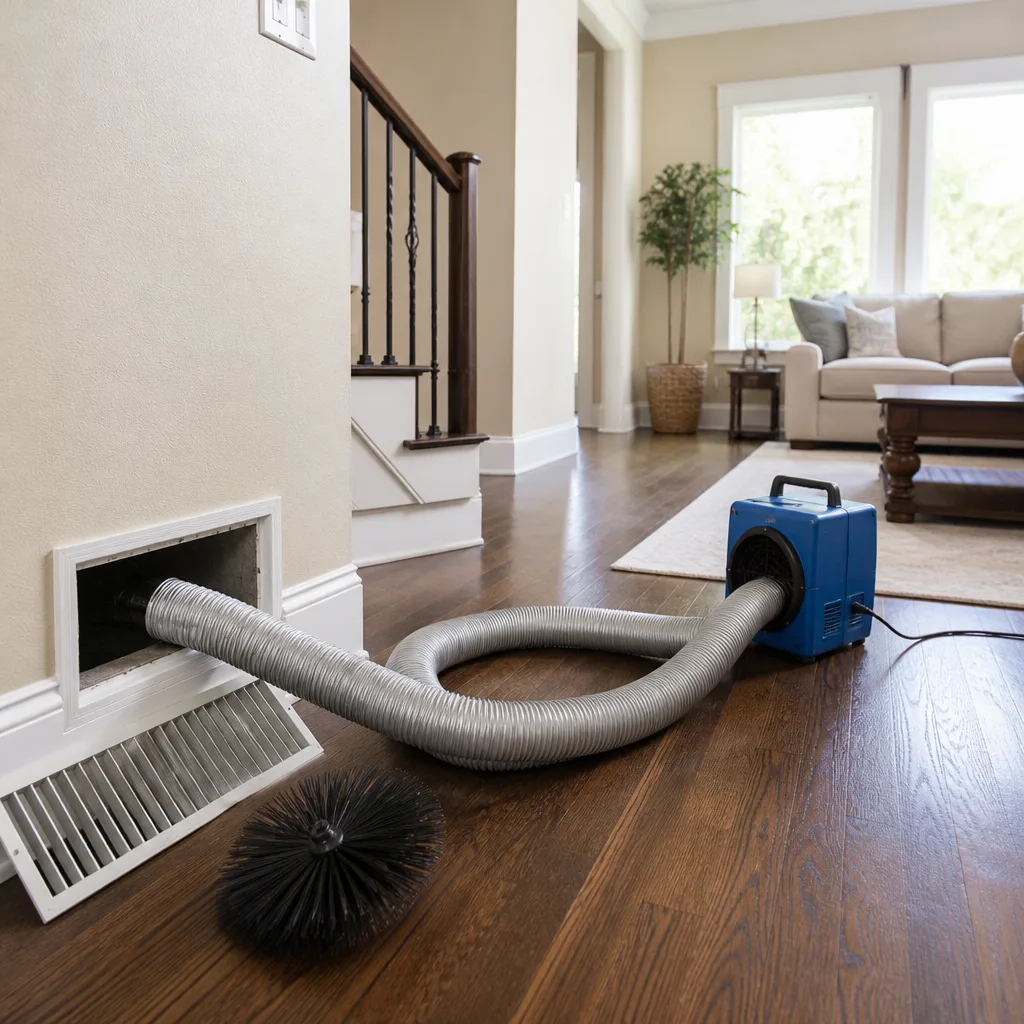 Whole-home duct cleaning
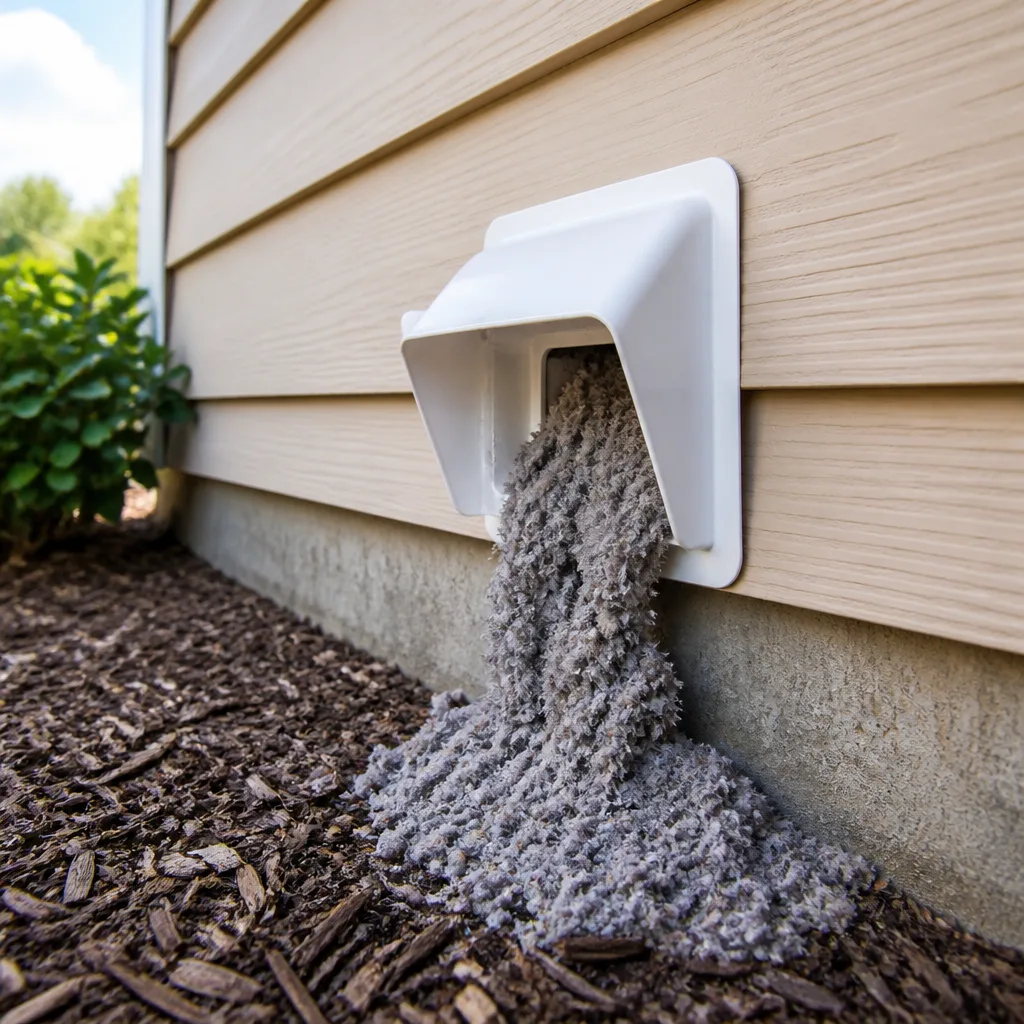 Dryer vent cleaning
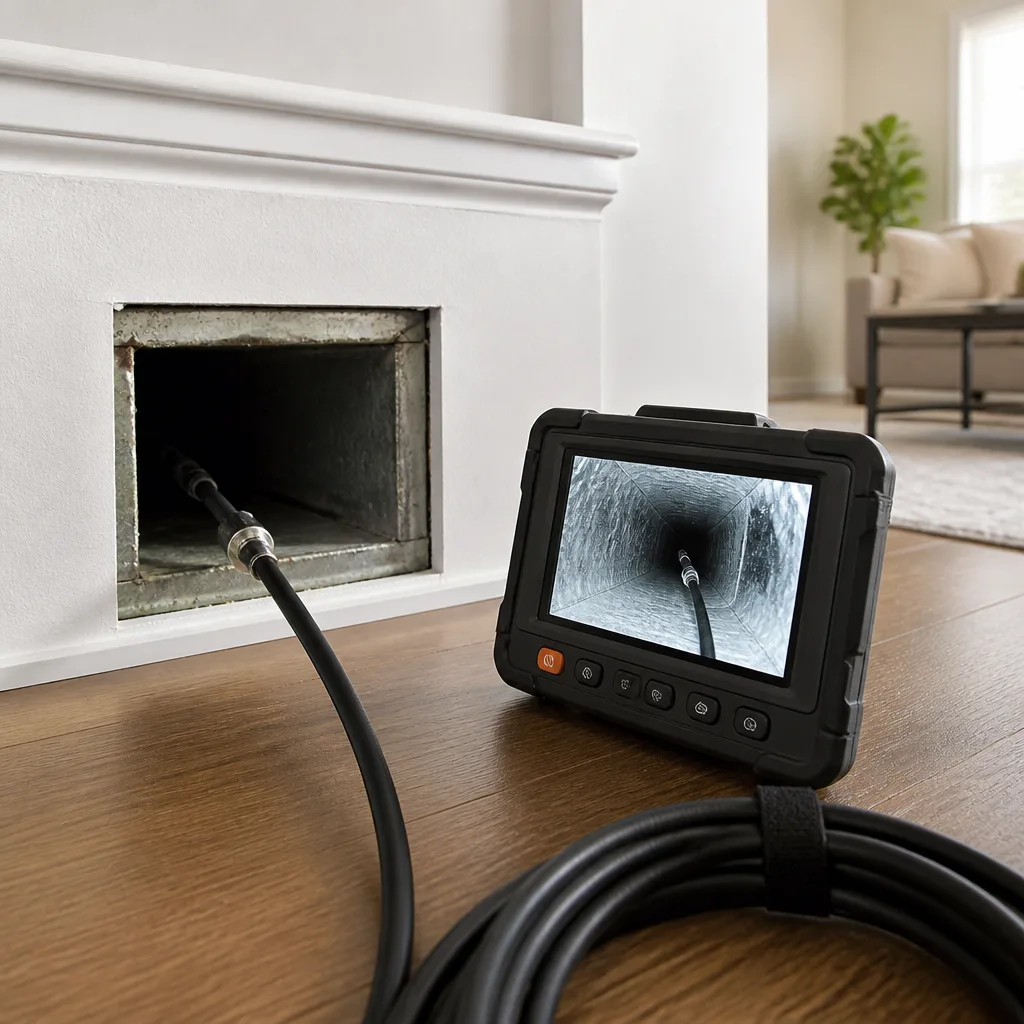 Camera inspection
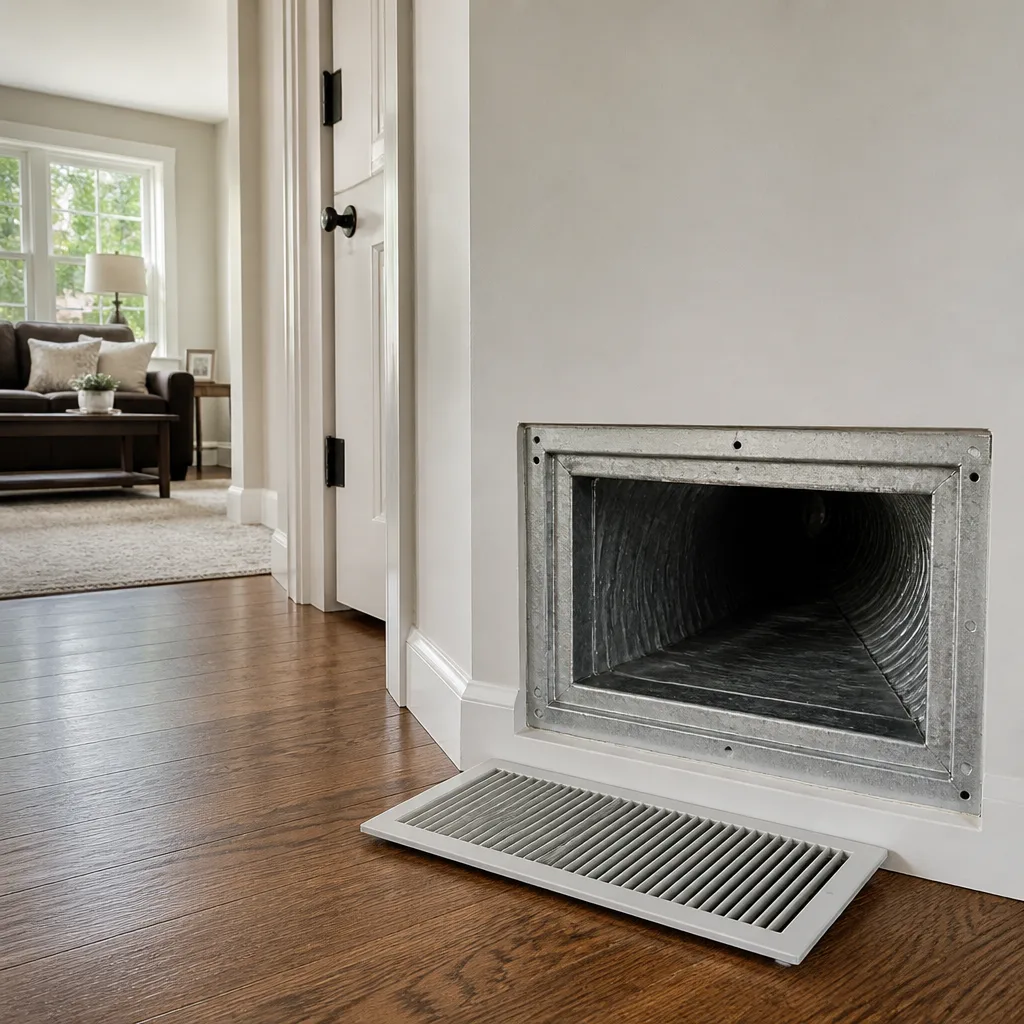 Sanitizing & deodorizing
Whole-system duct and dryer vent check with before-and-after photos - you see exactly what came out of your vents
That "$99 whole-house special" is a bait ad - the real number appears once they are in your hallway, or the "clean" is a shop-vac at the register. We photograph the inside of your ducts before and after instead.
Air Duct Cleaning Cost Breakdown: The Vallejo Homeowner’s Reference for 2026
Two Vallejo homeowners with nearly identical houses paid $280 and $1,100 for what both invoices called a full duct cleaning. One got a thorough system clean. The other got a couple of hours of portable vacuum work and an upsell invoice. The price alone told you nothing about which was which, and that’s the problem with shopping this service by number. In this guide we break down what actually drives legitimate cost in a Vallejo duct cleaning: square footage, vent count, duct material, access, and equipment class. You’ll get real ranges for each, the add-ons worth paying for, and the line items every honest estimate should show.
Quick Answer
Air duct cleaning in Vallejo typically runs $350 to $700 for a standard single-family home in 2026, with larger homes, complex duct systems, or heavy contamination pushing the range to $900 or more. The price you pay should reflect system size, duct material, access difficulty, and the class of equipment used, not a teaser coupon. A written estimate that lists scope line by line, agreed before any work begins, is the only number worth comparing.
Styles & brands we work with
- Whole-home duct cleaning
- Dryer vent cleaning
- Camera inspection
- Sanitizing & deodorizing
Table of Contents
- Why Duct Cleaning Costs Vary So Much in Vallejo
- The Five Factors That Drive Your Quote
- Typical Vallejo Price Ranges by System
- Truck-Mounted vs. Portable Equipment: What the Premium Buys
- Add-Ons Worth Paying For vs. Margin Plays
- Red Flags in Low-Ball Quotes
- How to Compare Written Estimates Line by Line
- How to Verify the Work Was Actually Done
Why Duct Cleaning Costs Vary So Much in Vallejo
A five-fold spread for the same named service is a market failure, and it exists because “duct cleaning” has no standardized definition. One contractor means a full-system negative-pressure clean with agitation of every branch line. Another means a quick vacuum of the main trunk and whatever the register boot can reach. Both print the same phrase on the invoice. The customer can’t see the inside of a duct, so the only visible variable is price, and price correlates with quality only loosely.
Vallejo’s housing stock makes this worse. The city has a wide mix of older single-family homes, mid-century tract houses, and newer construction, and each one presents a different cleaning problem. A 1950s home may have rigid sheet metal ducts with original seams and tight attic access. A newer build may have flex duct runs that are easier to clean but easier to damage with the wrong tool. A property manager handling multiple rental units needs a scope that accounts for system diversity across a portfolio. None of those distinctions show up in a phone quote built around a single flat number.
Climate matters less here than it does elsewhere, but it isn’t irrelevant. Vallejo’s mild, humid winters mean the HVAC system doesn’t run at full tilt for months at a time, which can let dust and debris settle and stratify inside ductwork rather than getting continuously cycled through the filter. That settled material is exactly what a proper agitation-and-extraction clean is designed to remove, and it’s exactly what a quick surface vacuum leaves behind.
In our experience, the honest way to price this work is to scope it per system. We don’t charge per vent, because vent count alone doesn’t capture how much work a system takes. A written estimate that reflects the actual system in front of us is the number that matters, and that’s the standard you should hold every quote to.
The broader point: when you’re comparing duct cleaning quotes in Vallejo, you’re not comparing prices for the same thing. You’re comparing scopes that only look alike. The sections below break down what belongs in each.
The Five Factors That Drive Your Quote
Every legitimate duct cleaning estimate in Vallejo is built from a handful of variables. Understand these and you can read a quote the way a contractor does.
1. Square footage and system size
Bigger homes have more ductwork, more branch runs, and more air volume to move. A 1,200-square-foot house and a 2,800-square-foot house are different jobs, full stop. Square footage is the anchor every estimate starts from.
2. Number of supply and return vents
Vent count is a labor and time multiplier. Every supply register is a branch line that needs its own agitation and extraction, and return trunks are typically larger and carry heavier debris loads. A system with eight supplies and two returns is a different scope than one with sixteen and four. We scope by system rather than pricing vent by vent, but vent count still factors into how the job gets planned.
3. Duct material type
Rigid sheet metal, flex duct, and ductboard each behave differently under cleaning equipment. Sheet metal tolerates aggressive rotary agitation. Flex duct requires gentler handling because the internal liner can tear if a brush is run too hard. Ductboard needs careful pressure control. Material type doesn’t just change the price; it changes which tools a technician can safely use.
4. System access complexity
Can the technician reach every trunk and branch? Is the air handler in a closet, a crawlspace, or an attic with a narrow hatch? Are there inaccessible runs behind finished walls? Access difficulty adds labor time and sometimes requires cutting and resealing access ports, which is normal practice but adds to the scope.
5. Equipment class
This is the factor most homeowners don’t know to ask about. A truck-mounted negative-pressure system pulls far more air than a portable unit and creates the pressure differential that actually evacuates loosened debris from the entire system. A portable shop-vac-class tool can knock dust off a surface but can’t hold negative pressure across a whole house’s ductwork. The equipment difference is real, and it’s a legitimate cost driver.
- Smaller home, simple layout, few vents: lower end of the range
- Mid-size home, mixed duct materials, moderate access: middle of the range
- Large home, complex multi-zone system, difficult access or heavy debris: upper end and beyond
- Repair discovered mid-job: adds to scope and is quoted separately before work proceeds
Typical Vallejo Price Ranges by System
The table below shows typical estimated ranges for duct cleaning in Vallejo in 2026. These are ballpark figures meant to help you sanity-check quotes, not final prices. The written estimate sets the final number, and it should.
| System type | Typical range | What drives it |
|---|---|---|
| Small home, single system, few vents | $350 – $450 | Low square footage, simple trunk-and-branch layout, easy access |
| Standard single-family home, mixed duct | $450 – $700 | Mid-size system, sheet metal plus flex runs, moderate access |
| Large home or multi-zone system | $700 – $1,100+ | High vent count, multiple air handlers, long trunk runs, tight access |
| Heavy contamination or post-renovation | Quote-specific | Construction dust, debris load, remediation-level cleaning required |
| Dryer vent cleaning (standalone) | $125 – $250 | Run length, number of elbows, roof or wall termination, lint load |
| Duct repair discovered during cleaning | Quote-specific | Disconnected joints, torn flex liner, crushed runs, resealing scope |
For a straightforward single-family home in Vallejo, $450 to $700 is the range where most jobs land. If a quote comes in well under $350 for a full-system clean, ask exactly what’s included and how the tech plans to agitate every branch line. If a quote comes in above $1,100, ask what in the system justifies it; sometimes the answer is solid and sometimes it isn’t.
Property managers scoping multiple units should expect per-system pricing that reflects each unit’s actual scope, not a portfolio-wide flat rate. A flat rate assumes every unit is identical. They rarely are.
Worth pairing: if you’re having the ducts cleaned, having dryer vent cleaning done in the same visit is often efficient because the equipment is already on site and the access work overlaps. It also addresses a fire-risk component many homeowners overlook until a load is taking far too long to dry.
Truck-Mounted vs. Portable Equipment: What the Premium Buys
Here’s the difference that matters most and gets explained least. A truck-mounted negative-pressure system is a large vacuum unit that connects to the duct system and pulls a high volume of air continuously for the duration of the clean, holding the whole system under negative pressure. That pressure is what keeps loosened debris moving out toward the collection unit instead of drifting through the house. Combined with rotary agitation tools that spin a brush or whip through each branch line, it produces a genuine whole-system clean.
A portable unit, by contrast, is a shop-vac-class vacuum. It can pull debris from where the hose reaches, but it can’t hold negative pressure across a house full of ductwork. That means a tech working with a portable unit is cleaning reachable surfaces, not the entire system. Some of the loosened material gets re-deposited in the runs the hose can’t reach.
What does the truck-mounted setup cost to operate? It’s a substantial piece of equipment with real maintenance, fuel, and crew-time costs behind it. That overhead is part of why proper equipment costs more to run. But the cost difference alone doesn’t justify a premium. What justifies it is that the equipment class determines whether the job is actually done.
At Duct Cleaning Vallejo we run Rotobrush and Nikro systems, which are purpose-built for duct cleaning rather than adapted from general vacuum equipment. We also work with Honeywell and Aprilaire filtration products, and we bring Abatement Technologies capability into the mix when a job calls for higher-stakes air quality handling. The point isn’t the brand names on the equipment. It’s that the equipment class determines what a job can and can’t accomplish, and our service is built around getting a real clean done.
When you’re reviewing a quote, ask this one question: “Is your equipment truck-mounted or portable?” A contractor who answers honestly and explains the difference is usually the one pricing the job on substance.
Add-Ons Worth Paying For vs. Margin Plays
Add-ons are where duct cleaning quotes get confusing. Some are genuinely valuable. Others exist to pad the invoice. Here’s how to tell the difference.
Sanitizer treatments
Sanitizer sprays and foggers are often pushed as a standard add-on. Whether they’re worth it depends on the situation. If the system has actual microbial growth, a registered product applied correctly can be appropriate. But sanitizer is not a substitute for cleaning; it’s a final step after thorough removal. If a contractor offers sanitizer as the main event and skips the agitation, that’s a margin play, not a service.
Ask what product is being used, what it’s registered for, and whether it’s applied after or instead of cleaning. A straight answer tells you a lot.
Dryer vent combo pricing
Bundling dryer vent cleaning with duct cleaning is genuinely efficient because the equipment is already on site and access work for one often overlaps with the other. It’s also a real fire-safety measure. If the combo offers a straight bundled price that reflects shared setup rather than a discount gimmick, it’s worth it. If the “bundle” is just two full-priced services glued onto one invoice, it isn’t a bundle in any useful sense.
Coil cleaning upsells
The evaporator coil sits where air passes through it, and a fouled coil restricts airflow and reduces system efficiency. Cleaning it during a duct job is reasonable if the coil is genuinely dirty and accessible. But it’s an HVAC-adjacent service, not a duct cleaning service, and it should be quoted honestly as a separate scope. Our own three services are air duct cleaning, dryer vent cleaning, and duct repair. If a contractor offers coil cleaning, ask for it as a line item with a clear scope rather than a surprise on the invoice.
- Worth paying for: dryer vent combo where access overlaps, genuine sanitizer applied after cleaning, air filter upgrade using a well-matched product
- Worth asking about: coil cleaning quoted as a separate line item, duct sealing if leaks are found
- Margin plays to question: sanitizer pushed as the primary service, “air purifier installation” without a clear product and scope, vague “system tune” add-ons
Red Flags in Low-Ball Quotes
A $199 full-system clean isn’t a bargain; it’s a different service wearing the same name. Here’s what typically gets cut to hit that price point.
The equipment. A truck-mounted system has real operating costs. A portable vacuum doesn’t. At a $199 price point, the equipment class drops, which means the cleaning is limited to surfaces the hose reaches.
The agitation. Proper cleaning requires running a rotary tool through every supply and return branch. That takes time, and time is the biggest cost driver in this trade. Cutting agitation is the easiest place to trim. What’s left is a vacuum pass over the main trunk.
The vent count ceiling. Read the fine print. Some low-ball quotes cap how many vents are included and charge more for every additional one. A twelve-vent system turns a $199 quote into a much larger invoice by the time the technician is on site.
The upsells. The low teaser price is often the doorway to aggressive add-on sales once the technician is inside. Sanitizer, coil cleaning, and vague “treatments” get stacked onto the invoice.
The access and repair blind spot. Some low-ball operations can’t do duct repair at all. If a disconnected joint or a torn flex liner is found mid-job, the customer is handed off to a second contractor to finish the work. That second call often costs more than doing it right the first time.
The documentation. A contractor working quickly at a low price typically leaves without before-and-after photos. You have no way to verify what happened in the ducts.
The flip side of the price spectrum has its own risk. A very high quote isn’t automatically better. It needs to be scoped line by line. What separates the two ends is whether the estimate lists actual scope or just stacks numbers.
How to Compare Written Estimates Line by Line
This is the single most useful habit for shopping duct cleaning in Vallejo: hold two or three written estimates side by side and read them item by item. The scope items below should appear in every legitimate quote. If any are missing, ask.
- System size in square footage and number of systems. One system or two? What’s the conditioned square footage?
- Supply and return vent counts. Exact numbers, not “up to X.” This is where surprise charges come from.
- Duct material notes. Sheet metal, flex, ductboard, or a mix. This tells you the crew plans the right tools for each run.
- Access description. What gets opened, what access ports will be cut, and how they’ll be resealed afterward.
- Equipment class. Truck-mounted negative pressure versus portable. Ask outright.
- Agitation method. Rotary brush, whip, or air-driven tool, and that it’s applied to every branch line, not just the trunk.
- Before-and-after photos included. Of your own ducts, not a stock photo. If the quote doesn’t mention documentation, ask for it.
- Repair scope if relevant. If duct repair is needed, the quote should list it separately with a clear scope, not fold it into a lump sum.
- Flat per-system price. The total, stated as one agreed number for the system, so there’s no per-vent surprise once the tech arrives.
- Filter change or filter sourcing. Whether the quote includes a new filter and which product.
If two estimates have wildly different totals, walk the line items against this list. The lower one will usually be missing two or three scope items, and the higher one may be padded. The estimate that matches every line is the one to trust.
A note on how quotes get built
The best quotes are built on a site visit or a detailed phone assessment with photos. A phone quote given blind to a homeowner who says “about a thousand square feet, maybe ten vents” is an estimate of a guess. A contractor who asks precise questions or swings by for a look is pricing the actual job. That’s why we scope per system. A written estimate based on a real system is the only number worth being held to.
How to Verify the Work Was Actually Done
The duct interior is invisible. That’s the customer’s real problem, and it’s why before-and-after photos of your own ducts are the single most useful piece of documentation a duct cleaning company can provide.
Ask for the photos at three stages: before cleaning begins, mid-clean after agitation but before final extraction, and after final cleanup. Ducts look different at each stage; a thorough clean shows visible change. If a contractor doesn’t offer this as standard, ask for it as a condition of the job before you book.
Beyond photos, look for a few other signs. The technician should walk the system with you and point out what he’s seeing, including any disconnects, settled debris piles, or flex liner damage that will need repair. He should show you the collection unit before it’s emptied, so you can see what was pulled out. He should refasten all access points and confirm they’re sealed before leaving. If duct repair was done, he should show you the repaired section.
Ask about the final steps too. The last part of any clean is the filter and system check. A new filter of the right kind, using a well-matched product, keeps the freshly cleaned system clean. Running the system briefly and confirming airflow and pressure at the air handler is a reasonable final check.
Verification isn’t a courtesy. It’s part of what you’re paying for. A company that skips it is asking you to take the invoice on faith, and in this trade that’s not a great ask.
Common Mistakes to Avoid
- Comparing total prices without comparing scope. Two quotes for the same named service often describe entirely different work. Read the scope items, not just the bottom line.
- Selecting on the lowest number. A low teaser price usually means portable equipment, minimal agitation, and a cap on vent count. The real cost gets stacked on after the tech arrives.
- Forgetting to ask about equipment class. Truck-mounted negative pressure and a portable vacuum are not the same service. Ask before you book.
- Skipping the dryer vent if it’s never been cleaned. Dryer vents accumulate lint whether or not the ducts are dirty. In homes where the dryer vent hasn’t been touched in years, adding dryer vent cleaning during a duct visit is worth the added scope for safety alone.
- Bundling unknowingly into an upsell package. Sanitizer, coil cleaning, and “treatments” can be worth it individually, but ask for each as a separate line item with a clear scope rather than accepting a lump sum.
- Not asking for before-and-after photos. Without photos of your own ducts, you have no way to verify what was done. Make it a condition of the job.
- Calling the first name in a search result. In a market this varied, one call to one contractor isn’t enough. Get two or three written estimates and read them against the checklist above.
One more: don’t assume repair is impossible to scope alongside cleaning. In our experience, technicians find disconnects, torn flex, or crushed runs on a meaningful share of jobs. Having a company that can handle both means one call, one scope, one invoice. That’s why we treat cleaning and repair as a single visit. We find it, we fix it. For more on the cleaning service itself, see our air duct cleaning page.
See the difference
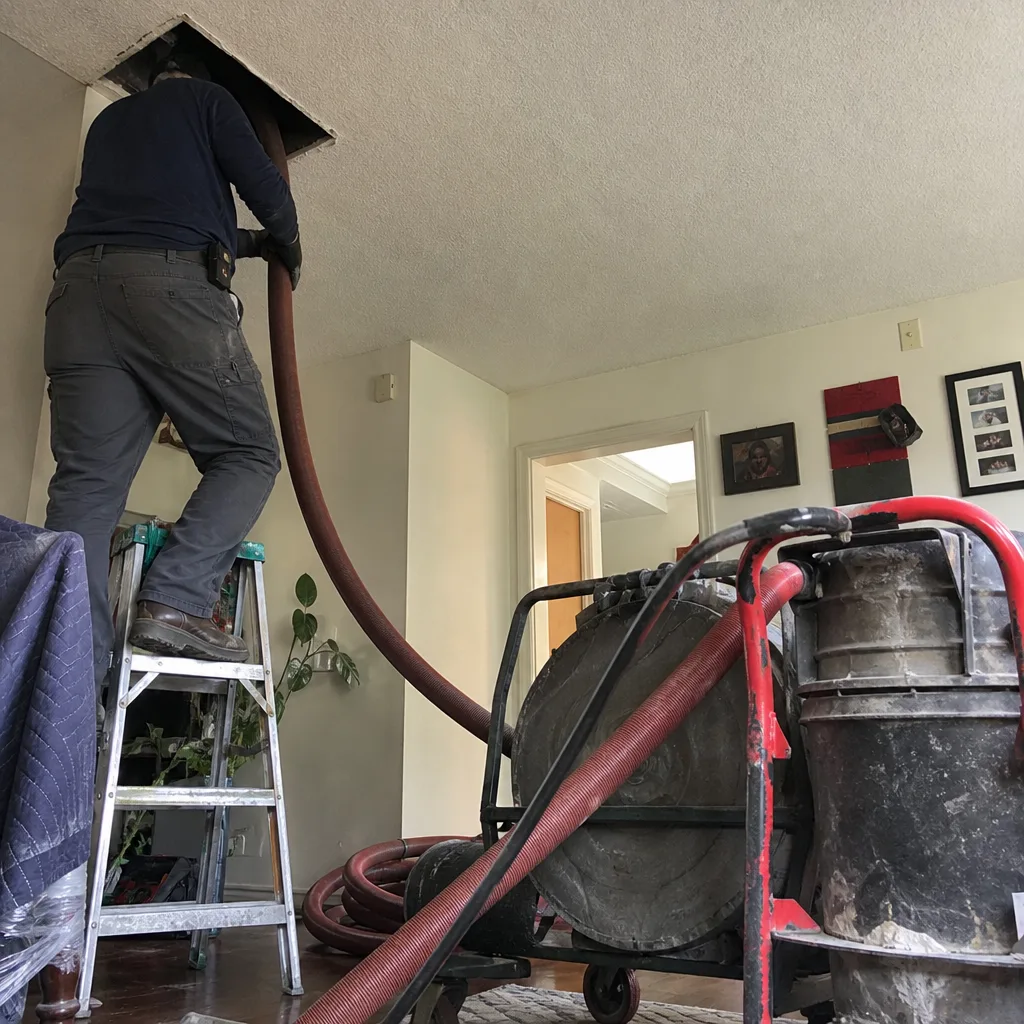 Before
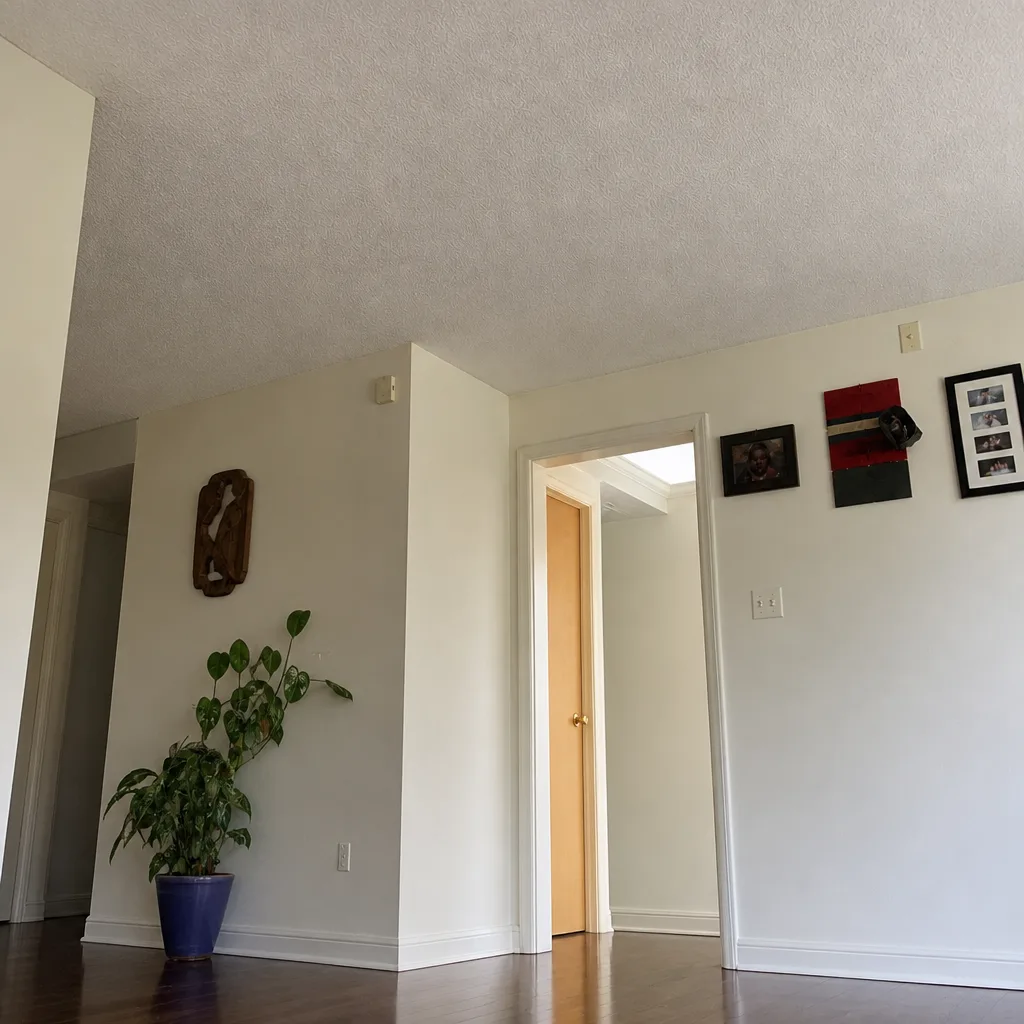 After
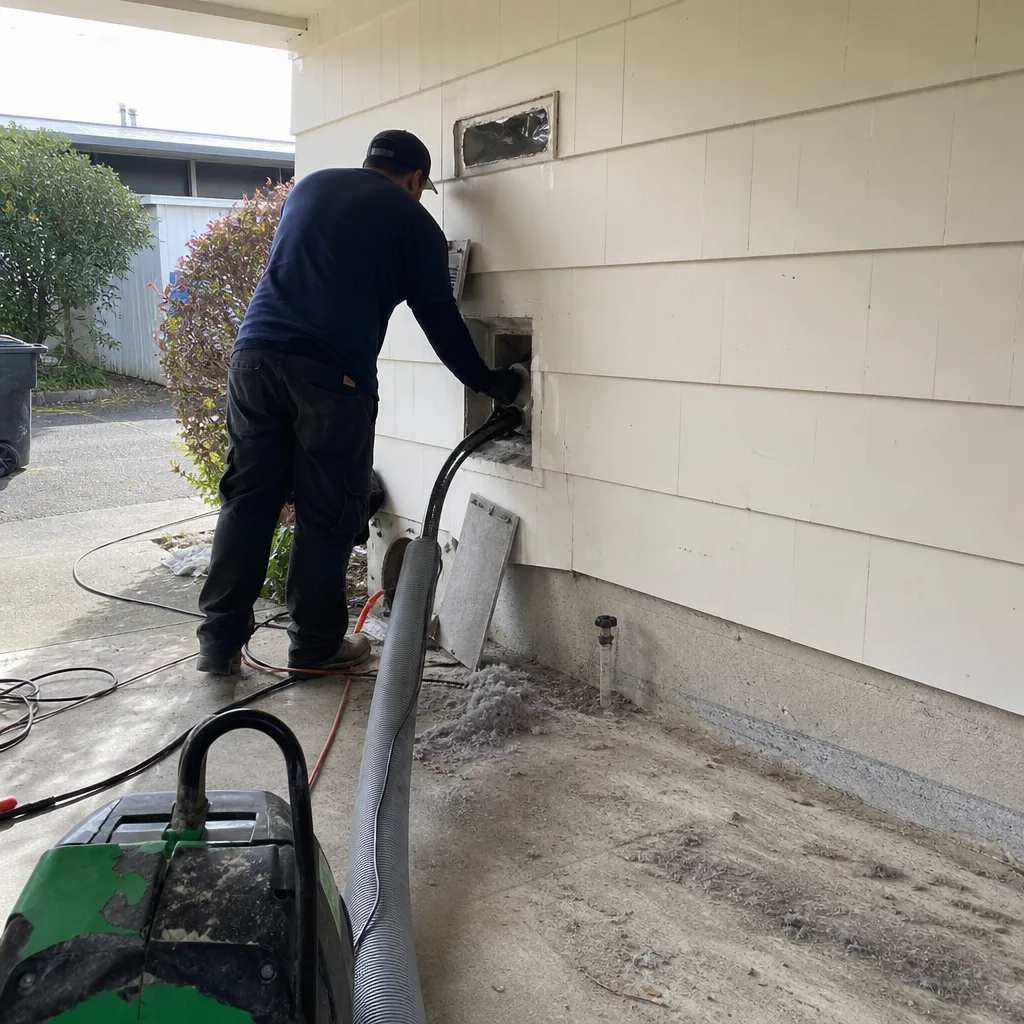 Before
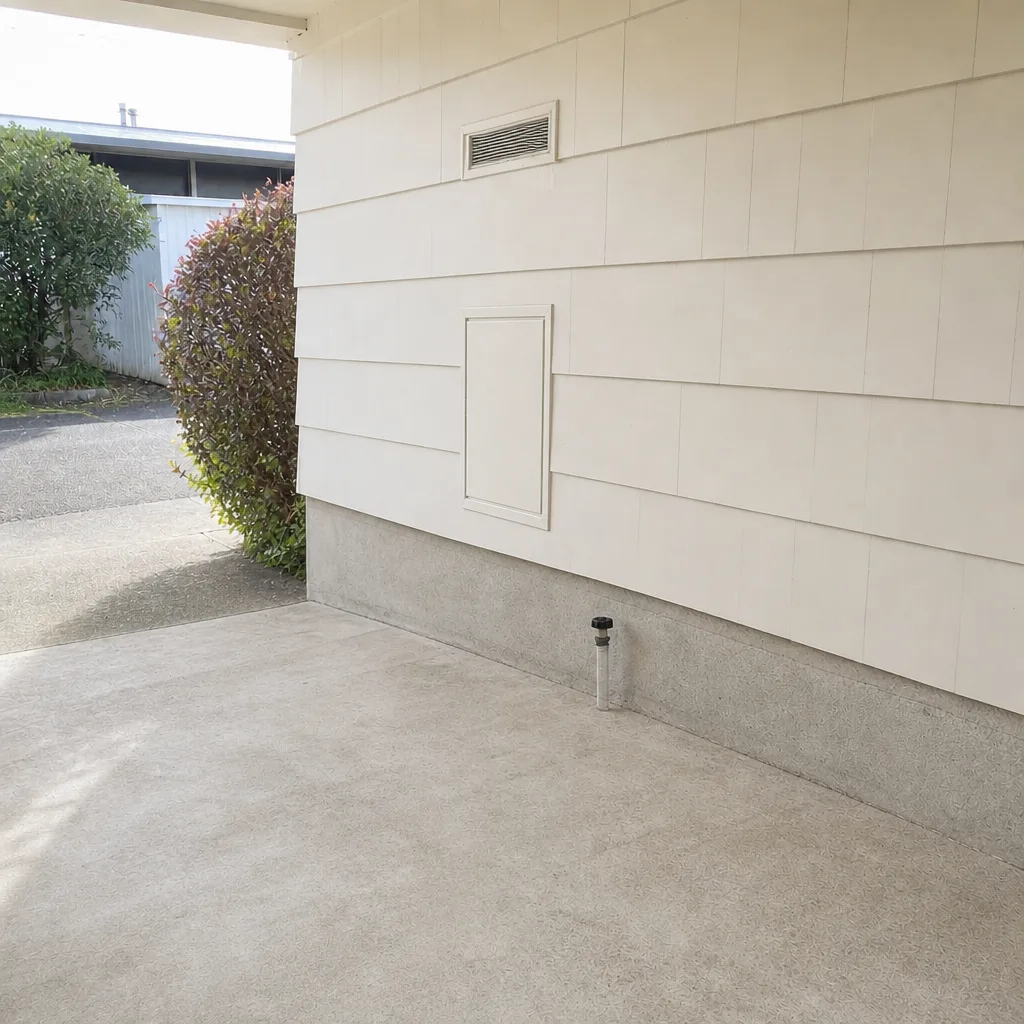 After
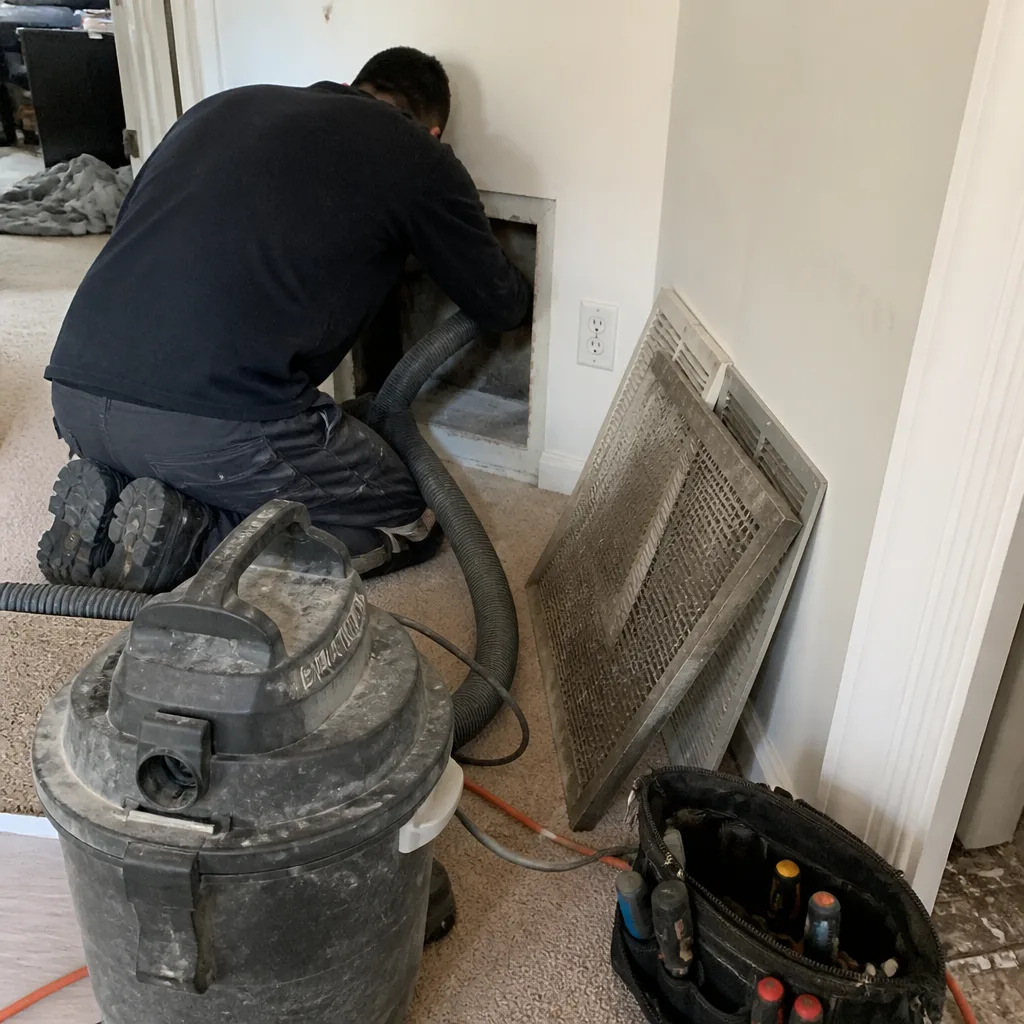 Before
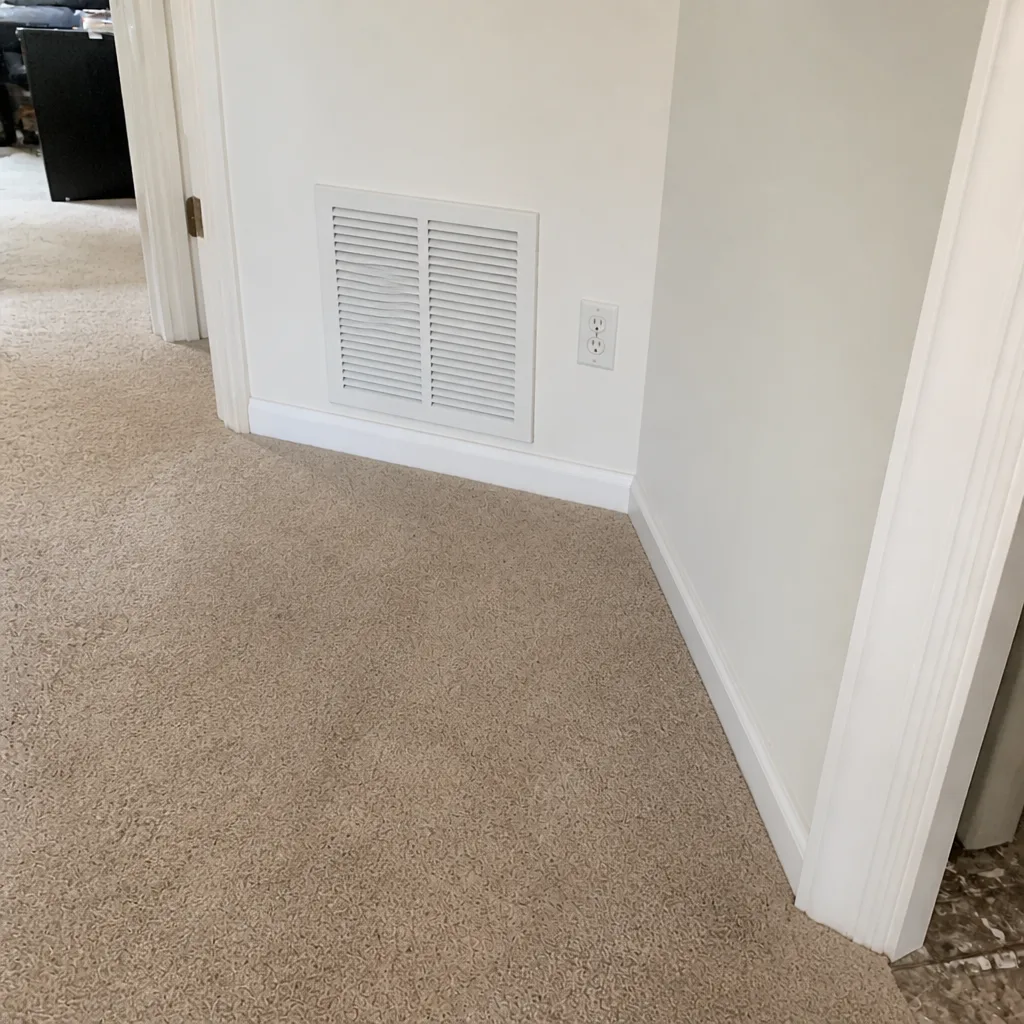 After
When to Call a Professional
Some signs are clear calls for professional duct service and don’t get better on their own. Visible dust puffing out of supply registers when the system kicks on. A consistent musty or stale smell in the air. A dryer that takes two cycles to dry a load. A recent remodel that sent construction dust through the system. Unexplained allergy symptoms that intensify when the HVAC runs. Visible debris or pest activity near a register. A disconnected or crushed duct run discovered during an inspection.
If you’ve had a fire, a water intrusion, or pest activity in the ductwork, those situations often need remediation-level cleaning rather than routine service, and they should be assessed before any scope is set.
If you’re in Vallejo and scanning options for duct cleaning, dryer vent cleaning, or duct repair, Duct Cleaning Vallejo offers free estimates. Call (844) 859-6986. We answer 24/7. Fast dispatch from 7am to 7pm, Sunday through Friday. Our technicians have up to 11 years of experience, and estimates are free. Reach us through our Duct Cleaning Vallejo page or our local Vallejo service page. If you’re in a nearby community, we also work in the surrounding area.
Frequently Asked Questions
Most standard single-family homes in Vallejo fall in the $350 to $700 range for a full-system clean, with larger or more complex systems reaching $900 to $1,100 or more. The written estimate you receive after scoping the actual system is the price that matters. Call (844) 859-6986 for an exact quote; estimates are free.
Low quotes are usually a different service: portable equipment instead of truck-mounted negative pressure, minimal or no rotary agitation of branch lines, and a cap on the number of vents included before extra charges kick in. The lower the teaser price, the more scope gets cut. Call (844) 859-6986 for an estimate you can compare line by line.
Ask for before-and-after photos of your own ducts at three stages (before, mid-clean after agitation, and after final cleanup) plus a look at the collection unit before it’s emptied. A contractor who documents the job carefully is signaling that the work matters. If photos aren’t standard, ask for them as a condition. Call (844) 859-6986 for a free estimate that includes documentation.
For most Vallejo homes, every three to five years is a reasonable interval, but the honest answer depends on the system. Homes with pets, recent remodels, allergy sufferers, or heavy filter use patterns often need it more frequently. Homes with clean systems and good filtration may not need it as often. The answer should be based on what the ducts look like on inspection. Call (844) 859-6986 for an assessment.
Yes, for most homes. It’s a fire-prevention measure, and doing it during a duct visit saves setup and access work. If your dryer vent hasn’t been cleaned in years, the added scope is genuinely worth it. Call (844) 859-6986 to scope both services as one visit.
That’s the advantage of hiring a specialist who handles repair. We scope the repair separately and quote it before any additional work begins, so there’s no surprise invoice. If the duct can’t be cleaned without repair, we fix the run and complete the cleaning in the same visit. Call (844) 859-6986 for a free estimate on both cleaning and repair.
The Bottom Line
Duct cleaning in Vallejo in 2026 typically costs $350 to $700 for a standard home, and the price you pay should reflect system size, vent count, duct material, access difficulty, and equipment class. Comparing quotes on price alone will mislead you, because a cheap quote is often a different service. The legitimate way to shop is to ask about equipment, read the scope items line by line, ask for the dryer vent combo if it’s due, and expect before-and-after photos of your own ducts in return. When you’re ready for a scoped estimate in Vallejo, call (844) 859-6986. We answer 24/7. Fast dispatch from 7am to 7pm, Sunday through Friday. Estimates are free, and the written estimate sets the final price.
Written by the team at Duct Cleaning Vallejo.