
Last updated November 15, 2026
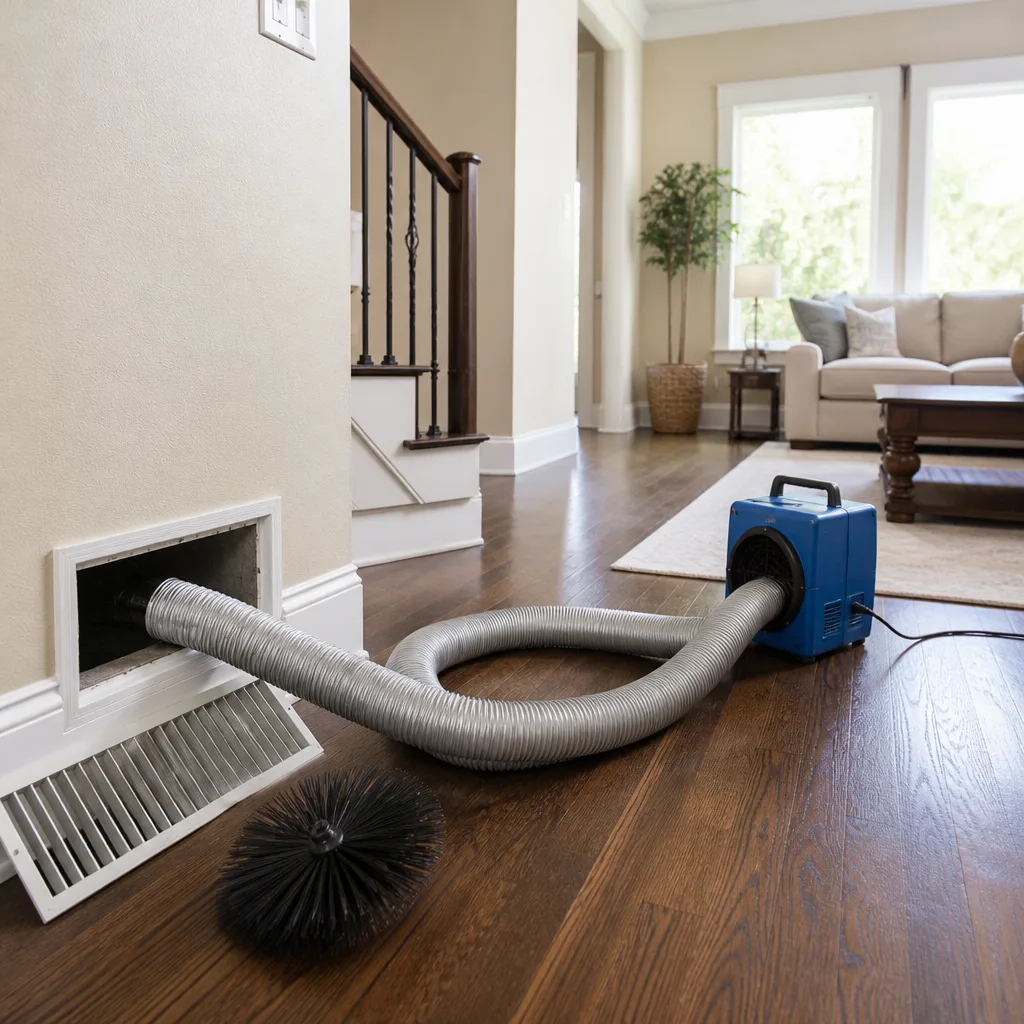 Whole-home duct cleaning
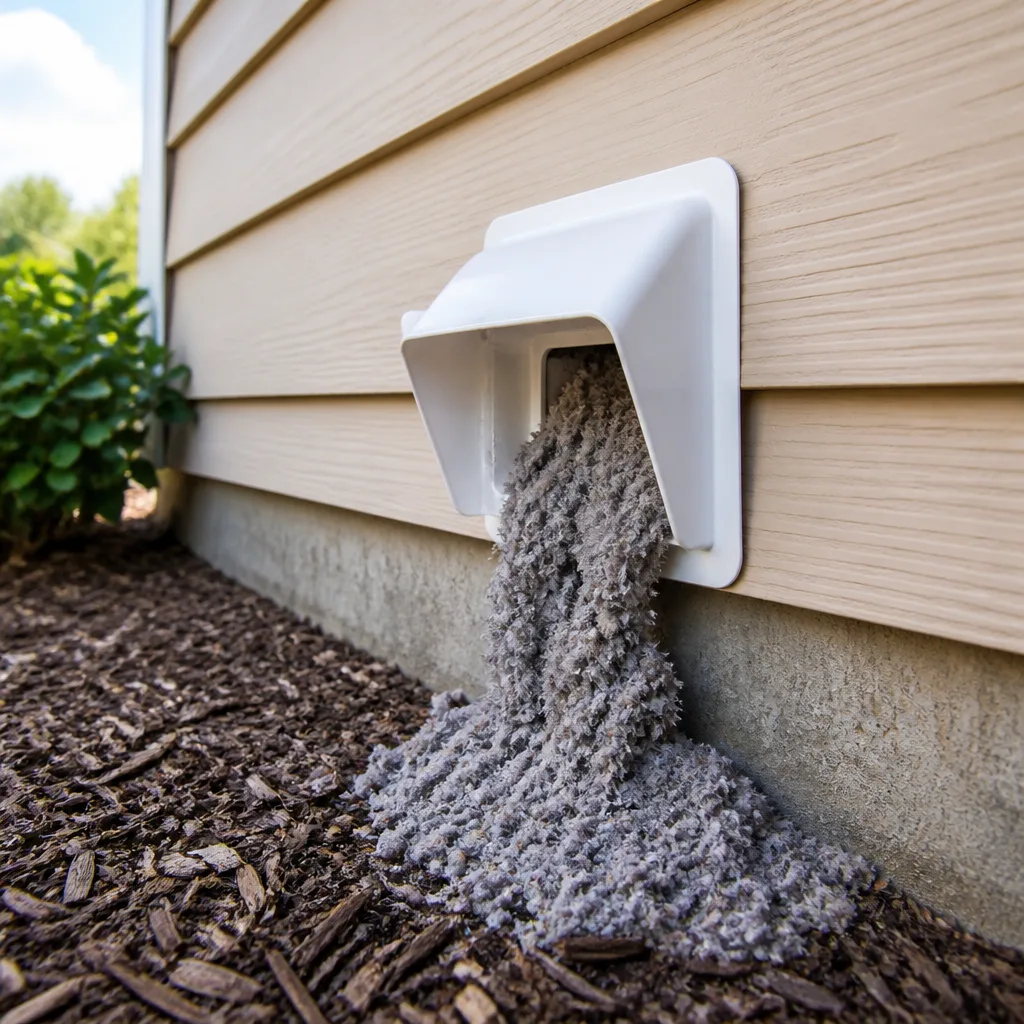 Dryer vent cleaning
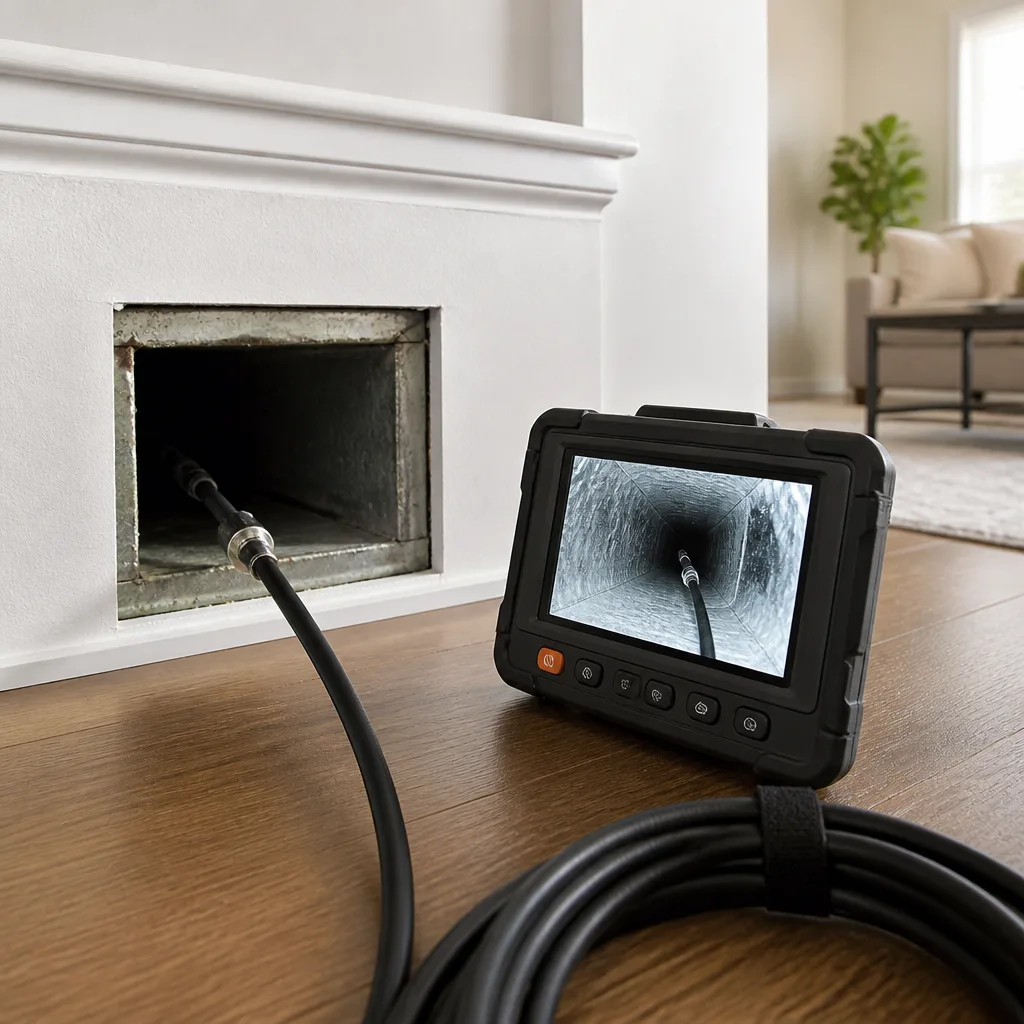 Camera inspection
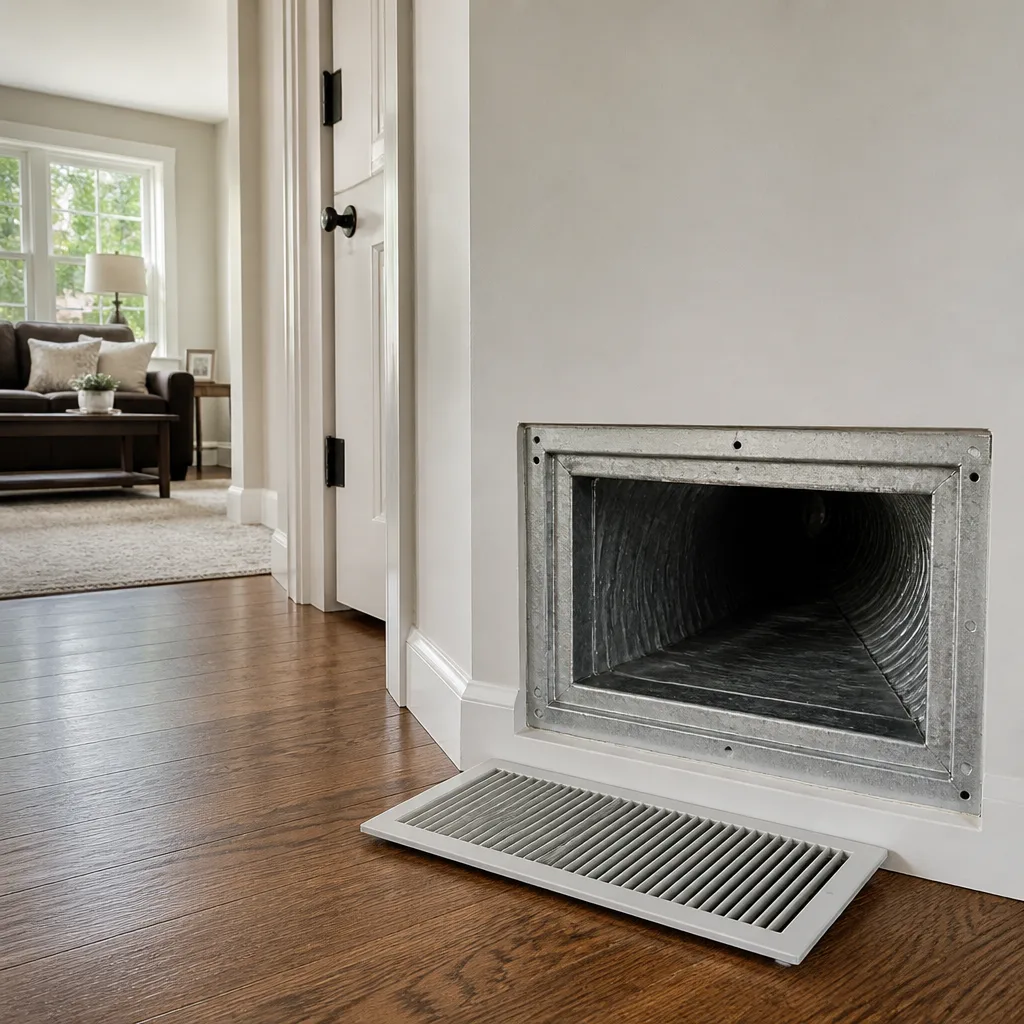 Sanitizing & deodorizing
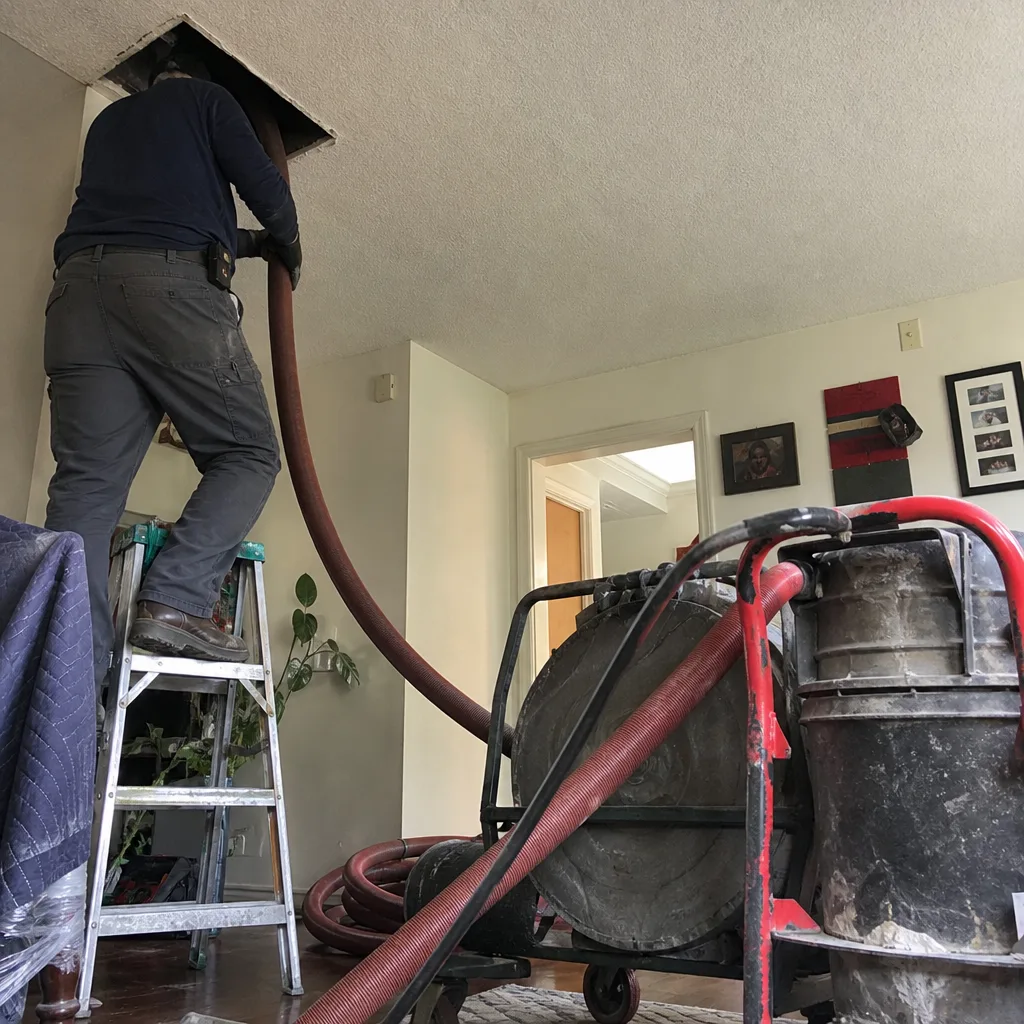
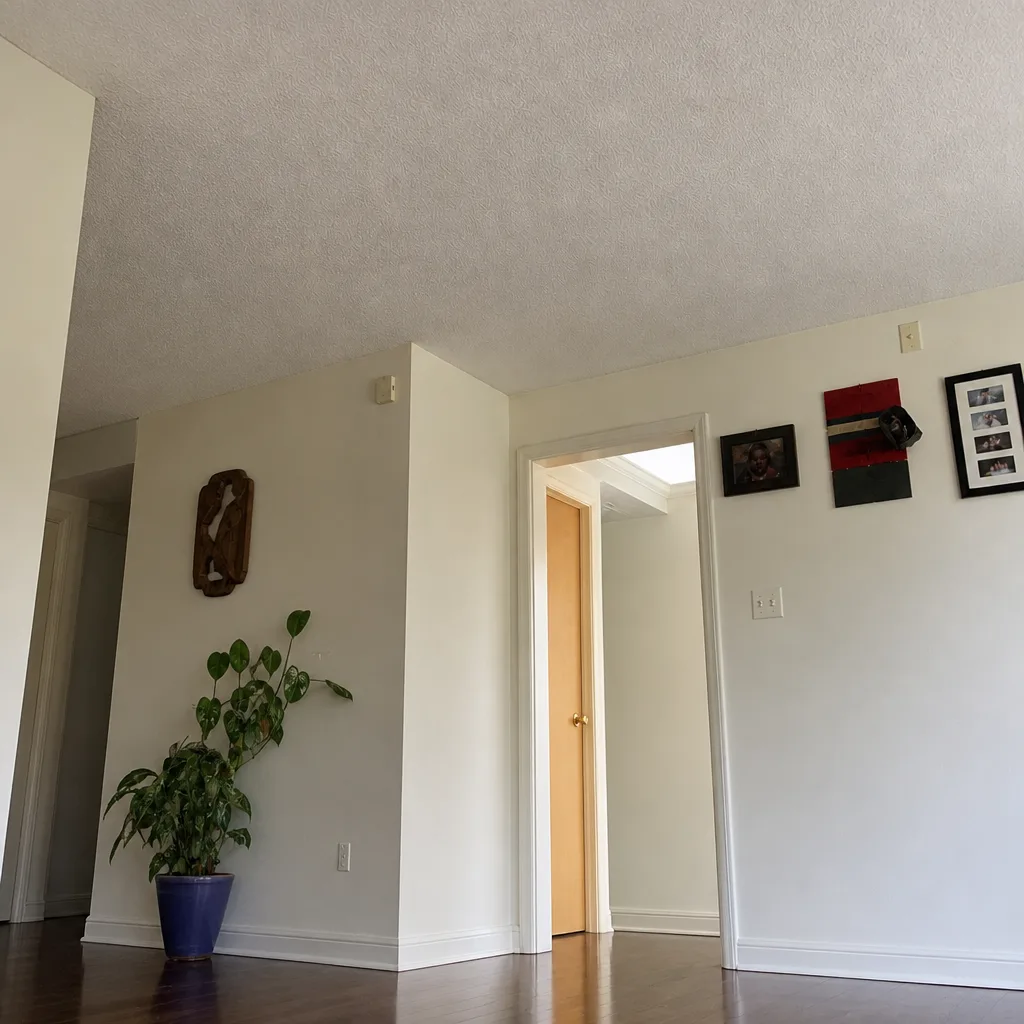
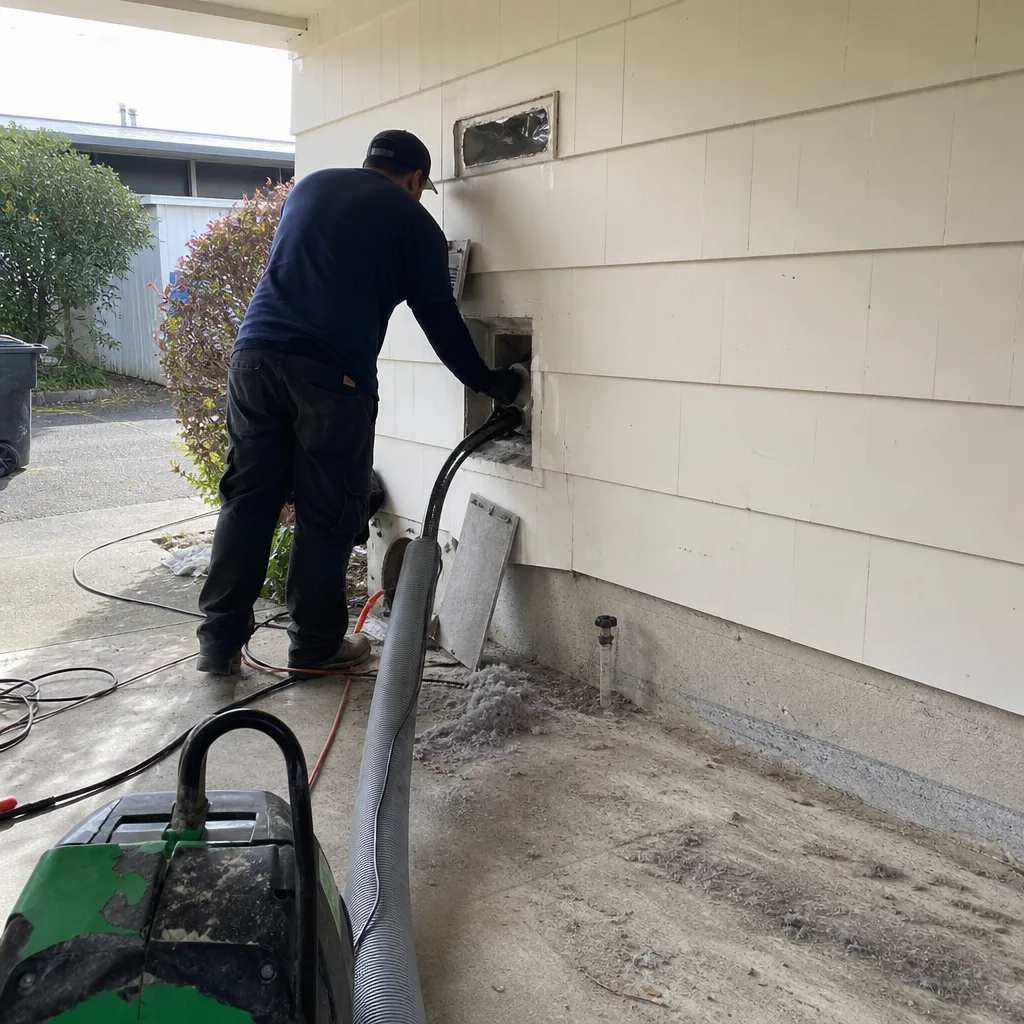
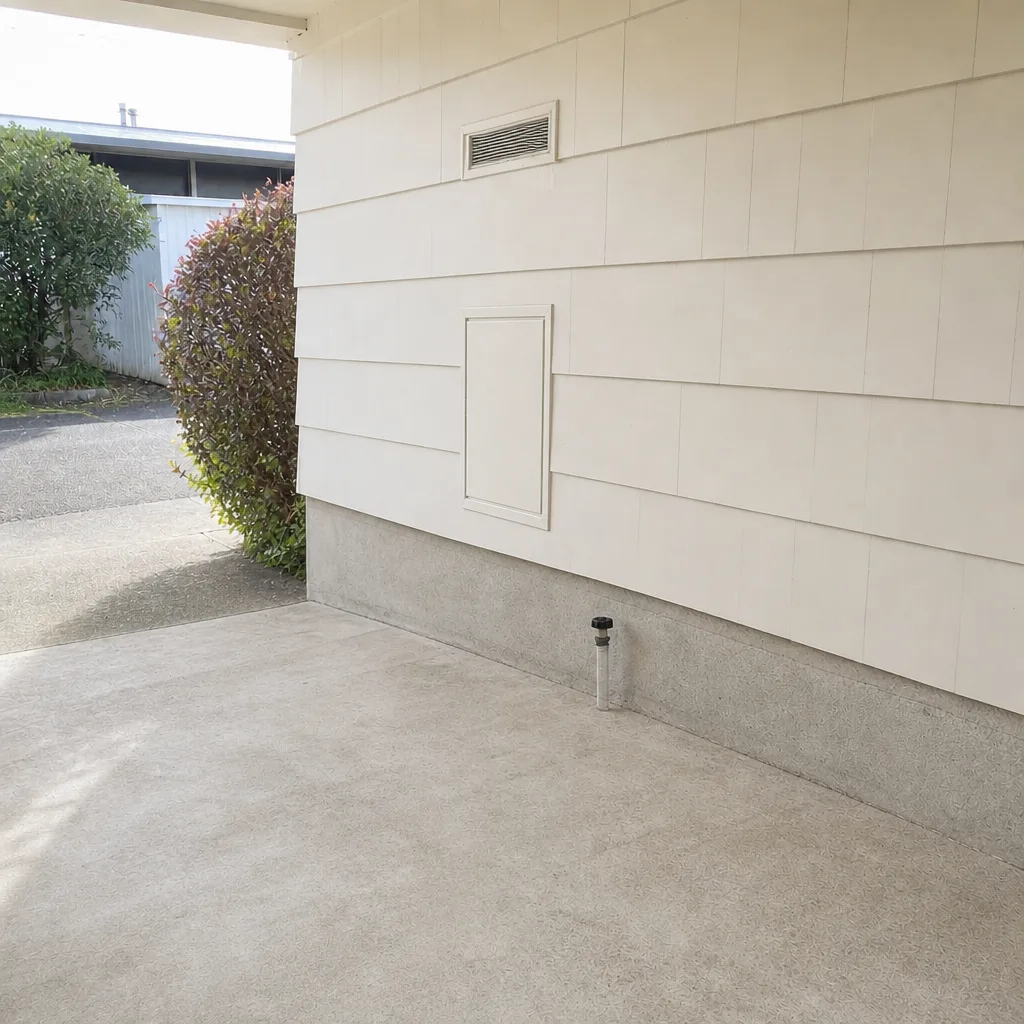
Whole-system duct and dryer vent check with before-and-after photos - you see exactly what came out of your vents
That "$99 whole-house special" is a bait ad - the real number appears once they are in your hallway, or the "clean" is a shop-vac at the register. We photograph the inside of your ducts before and after instead.
Air Duct Cleaning Emergency Preparedness Guide for Vallejo Homes
Most homeowners think about their duct system only when something already smells wrong. The counterintuitive part is this: the weeks after a wildfire smoke event or a flooding incident in Vallejo are exactly when the ducts quietly become the problem, long after the sky clears and the water recedes. Smoke particles and damp debris settle inside the system and keep recirculating every time the air handler runs. That’s why indoor air quality often gets worse after the external event has passed, not during it. This guide walks you through a real, actionable checklist: what to do during a smoke event, how to assess ductwork after flooding, how to prepare before an emergency, and how to document everything for an insurance claim. You’ll leave with steps you can use today, not a vague reminder to be ready.
Quick Answer
Emergency duct preparedness in Vallejo means three things: sealing and cleaning your duct system before a smoke or flood event so it intakes less contamination, running the correct filter during a smoke event and assessing whether cleaning is needed afterward, and documenting your system’s condition with photos and service records so an insurance claim is straightforward. If your crawl space flooded or wildfire smoke pushed your indoor air quality down for weeks, call (844) 859-6986 to book a professional assessment before you assume the system is fine.
Styles & brands we work with
- Whole-home duct cleaning
- Dryer vent cleaning
- Camera inspection
- Sanitizing & deodorizing
Table of Contents
- Preparing your ducts before an emergency event
- Wildfire smoke response protocol for Vallejo
- What MERV rating to run during a smoke event
- Flood and moisture event protocol for ductwork
- Documenting your duct system for insurance claims
- Vallejo air quality resources and local wind patterns
- When duct repair matters more than cleaning
- Common mistakes to avoid
Preparing your ducts before an emergency event
The best time to deal with a duct emergency is before there is one. Vallejo sits in a region where wildfire smoke and flooding both show up on the calendar in some years, and the condition of your duct system going into an event determines how much contamination ends up inside it. A system with loose joints, torn flex sections, or an unsealed return plenum pulls smoke and dust straight in from a garage, crawl space, or attic rather than filtering it out.
Here’s what pre-event preparation actually looks like for a Vallejo home:
- Inspect and seal the accessible duct runs. Check joints at the air handler, the return plenum, and any flex connections in the attic or crawl space. Loose connections are the single biggest entry point for outside contamination.
- Clean the system while it’s manageable. A pre-existing layer of dust and biological growth becomes fuel for a post-event mess. A proper cleaning with purpose-built equipment resets the baseline.
- Confirm your filter housing closes properly. A filter slot that doesn’t seal means unfiltered air bypasses the filter entirely.
- Note the condition of your crawl space or basement ductwork. If those runs sit at or below grade, note whether they’re insulated and how far above potential water lines they sit.
- Keep a service record and current photos on file. You’ll need a “before” reference if an event damages the system.
If any joint or flex run is compromised, our air duct cleaning service includes an inspection, and we can repair what we find so a small gap doesn’t become an intake for smoke.
Wildfire smoke response protocol for Vallejo
When wildfire smoke settles over the Carquinez Strait, the duct system becomes a reservoir rather than a filter. Smoke particles are small enough to pass most standard filters and settle inside ductwork, where they keep recirculating for weeks after the event. The response protocol below is what we recommend to Vallejo homeowners facing a smoke event.
During the event
- Close windows and doors and set the system to recirculate rather than pulling in outside air, if your system allows it.
- Run the fan continuously so the filter is doing work, and upgrade the filter (see the MERV section below).
- Monitor the local AQI. When it climbs into the unhealthy range, minimize system cycling from outside-air sources and keep the filter fresh.
- Don’t run a whole-house fan during a smoke event; it pulls the outside air straight in.
After the event
- Change the filter once the smoke clears; it’s holding what didn’t get through.
- Assess the ducts. Noticeable smoke odor from supplies, visible dust at registers, or a persistent haze indoors all point to contamination inside the system.
- Book a professional assessment. A visual inspection with proper equipment can confirm whether cleaning is warranted.
We’ve handled post-wildfire duct cleaning across Vallejo and can tell you in a single visit whether the system needs work or just a filter change. Our technicians have up to 11 years of experience reading exactly this kind of smoke-event fallout.
What MERV rating to run during a smoke event
During a wildfire smoke event in Vallejo, run the highest MERV-rated filter your system’s blower can handle without excessive pressure drop, usually MERV 13 for a standard residential system. Higher MERV catches finer smoke particles, but pushing beyond what your blower is rated for chokes airflow and can strain the equipment. The right answer is system-specific.
- MERV 8 to 11: everyday filtration; catches large dust but lets most smoke particles through.
- MERV 13: a common sweet spot for smoke events; catches a much finer fraction without overloading most residential blowers.
- Above MERV 13: only if your system is rated for it; otherwise you trade air quality for reduced airflow.
Brands like Duct Cleaning Vallejo works with include Honeywell and Aprilaire, both of which make filter housings and media cabinets rated for specific airflow and MERV combinations. If you don’t know your system’s limit, the filter housing label or your air handler’s spec sheet will usually tell you. During a prolonged event, change a MERV 13 filter more often than usual – a loaded filter chokes airflow just as badly as an oversized one. After the event, drop back to your normal filter once the system has been assessed and, if needed, cleaned.
Flood and moisture event protocol for ductwork
Flooding is the quieter of the two emergencies for a duct system, and often the more damaging. If standing water reached ductwork in a crawl space or basement, the contamination question isn’t whether the ducts are wet – it’s how long they stayed wet and whether the insulation is holding moisture. Ducts that sat in floodwater need assessment before the system runs again, and in many cases the affected sections need replacement rather than cleaning.
Here’s the sequence we recommend:
- Don’t run the system until the ductwork has been inspected. Running wet ducts spreads moisture and contamination through the entire house.
- Check whether water actually reached the ducts. Note the high-water line in the crawl space; if it reached the duct insulation, the affected run needs assessment.
- Assess the insulation. Fiberglass duct insulation that got soaked typically doesn’t dry out well and should be replaced.
- Dry and dehumidify the space before any cleaning or repair begins.
- Clean and repair the system if the ducts stayed dry enough to save, or replace the affected runs. Our air duct cleaning team can inspect and clean, and we handle repair on the same visit.
- Document everything with photos and notes for your insurer before work starts.
Because we offer cleaning and repair together, you don’t have to call a second contractor when the assessment turns up damaged ductwork. We find it, we fix it.
Documenting your duct system for insurance claims
After a qualifying disaster, an insurance adjuster will ask for evidence of the system’s condition before the event and the damage afterward. Homeowners who have that documentation on hand get claims resolved faster and with less back-and-forth. The habit is simple to build now and invaluable when it matters.
- Photograph the accessible ductwork – the air handler, return plenum, and any runs in the crawl space or attic. Date the photos.
- Keep service records from any past duct cleaning, filter change, or repair.
- Note the filter MERV rating and change dates in a small log or a notes app.
- Photograph the affected area after the event before anything is cleaned or removed.
- Keep the assessment report from any professional inspection – it’s evidence of pre-event condition.
We can provide a written assessment for your records during any visit, which is a real advantage if a claim later depends on showing the system’s baseline condition. Building this file doesn’t take long, and it’s the difference between an adjuster who can process a claim and one who has to ask for more information.
Vallejo air quality resources and local wind patterns
Vallejo’s air quality isn’t shaped by a single factor. The Carquinez Strait funnels wind through the area, which can move wildfire smoke in or clear it out faster than surrounding inland areas. During fire season, wind direction matters as much as distance from the fire itself. When the wind shifts, smoke can arrive in Vallejo even from fires burning well to the north or east.
What to monitor:
- The local AQI reading from a nearby monitoring station, checked daily during fire season.
- Wind direction and speed through the Carquinez Strait – a shift in wind can change your air quality within hours.
- Regional fire activity across the North Bay and surrounding areas.
Use those readings together. A high AQI combined with an onshore wind during a fire event means the smoke is settling over Vallejo rather than moving past. That’s the moment to close windows, run filtration, and recheck the system. Homeowners who track these patterns tend to catch duct-system contamination earlier than those who only respond after the smell indoors becomes obvious.
When duct repair matters more than cleaning
Emergency events expose weaknesses in ductwork that were there all along. A small tear in flex duct, a disconnected joint, or a crushed section in a tight crawl space can let smoke, dust, or moisture into the system faster than any cleaning can remove it. That’s why the repair capability matters as much as the cleaning capability when you’re dealing with post-event air quality problems.
Signs your ducts need repair, not just cleaning:
- Visible tears, crushed sections, or disconnected joints in accessible ductwork.
- Uneven airflow from room to room, worse than before the event.
- Dust or debris visibly entering the system at a joint or plenum connection.
- Ductwork that got wet and couldn’t fully dry out.
We use Rotobrush and Nikro equipment for the cleaning and handle repair in the same visit when we find damaged sections. That saves you the second call and, more importantly, the gap between an inspection that flags a problem and a repair that fixes it. Our work is backed by a written estimate before anything starts, so you know exactly what you’re approving.
Common Mistakes to Avoid
- Waiting until the smell comes indoors. By the time smoke odor is obvious from your registers, contamination has already settled in. In Vallejo, our smoke events can be brief but intense, so the assessment window is short.
- Running the system through a smoke event without checking the filter. A loaded filter during heavy smoke chokes the system and lets fine particles bypass it entirely. Change the filter at the right moment, not on your usual schedule.
- Skipping documentation before calling anyone. Cleaning a dusty duct system erases the evidence an adjuster needs. Photograph everything first, then schedule the work.
- Assuming wet ducts will just dry out. Flood-exposed insulation often doesn’t, and running the system while it’s wet spreads moisture through the whole house.
- Hiring a generalist with a shop vac. A small local operator without purpose-built equipment will miss contamination in the duct run and the air handler. Look for a specialist using equipment like Rotobrush or Nikro.
- Ignoring crawl space ductwork entirely. It’s the run most exposed to flooding in Vallejo homes, and it’s the run most homeowners don’t inspect.
- Skipping the pre-event cleaning. A clean system going into a smoke or flood event is far easier to recover than a loaded one.
See the difference
 Before
 After
 Before
 After
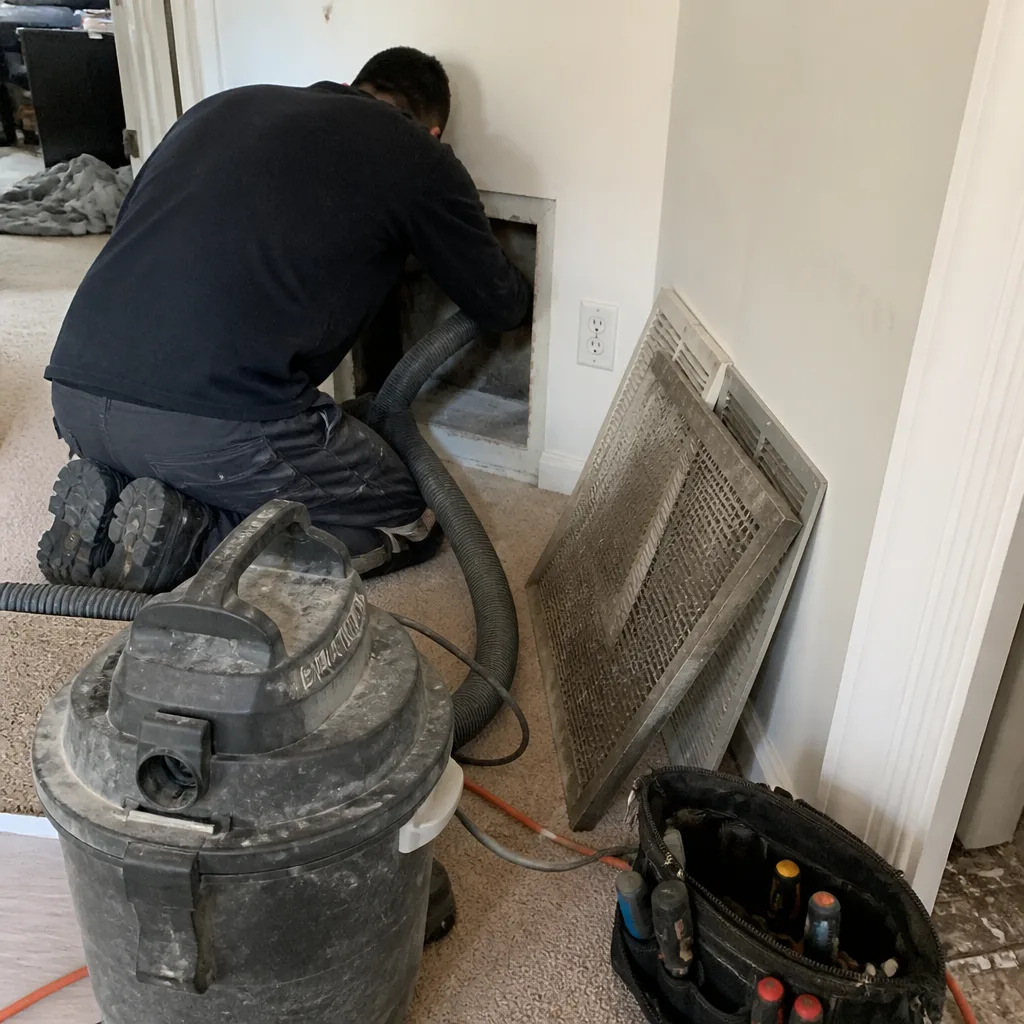 Before
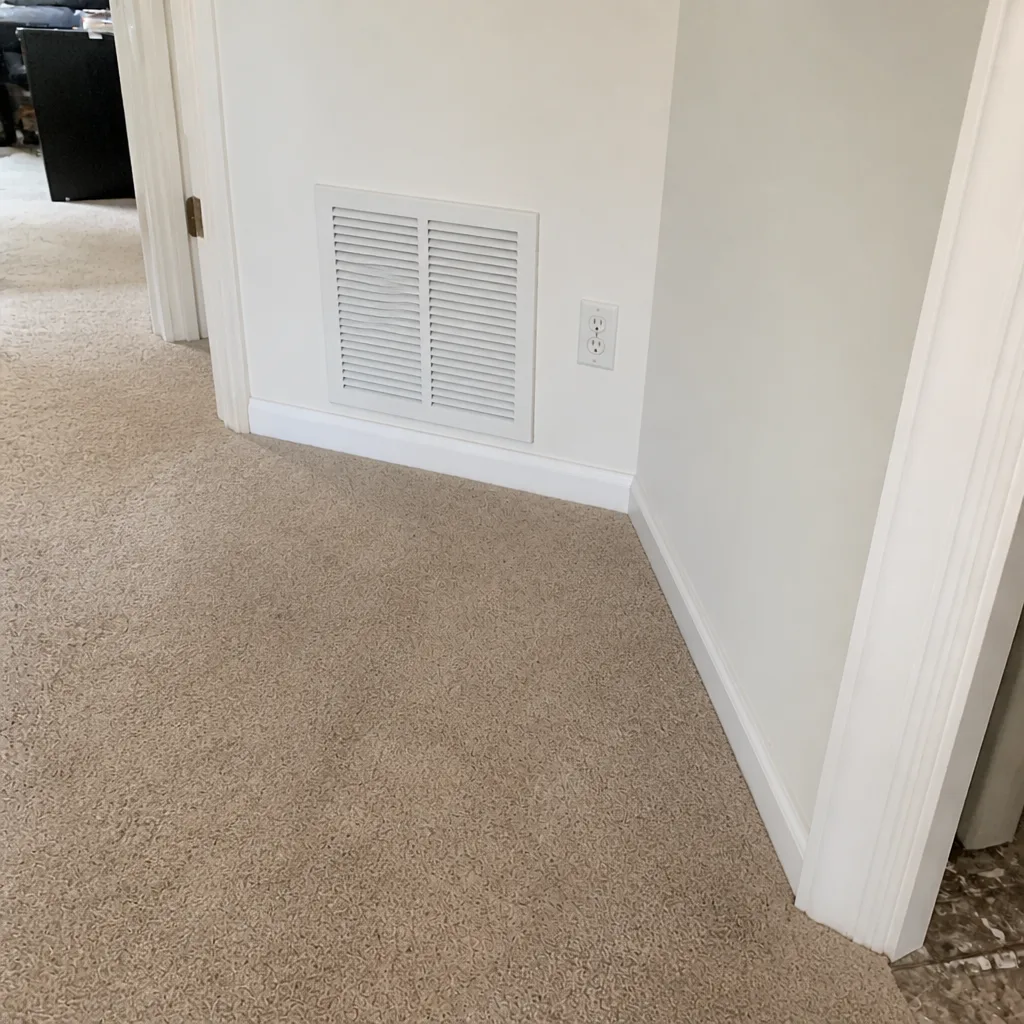 After
When to Call a Professional
Call a professional duct specialist when smoke odor persists indoors after the event, when floodwater reached the ductwork in a crawl space or basement, or when visible dust is entering the system at a joint or plenum connection. These are situations where improper handling – running wet ducts, skipping inspection, using inadequate equipment – makes the situation worse. A qualified technician should confirm whether the system needs cleaning, repair, or both, and document the condition for insurance purposes. Duct Cleaning Vallejo offers free estimates in Vallejo – call (844) 859-6986 for an assessment. We answer 24/7, and dispatch runs from 7am to 7pm, Sunday through Friday. If you’re not ready to book, a written range from a qualified technician is a good starting point for planning.
Frequently Asked Questions
Often yes, especially if your AQI readings were high and your system ran during the event. Fine smoke particles settle in the ductwork and continue recirculating for weeks. A professional inspection will confirm whether cleaning is warranted or whether a filter change is enough.
MERV 13 is the common sweet spot for most residential systems during a smoke event. Confirming what your blower can handle matters, since a rating too high for your system chokes airflow. After the event, drop back to your normal filter once the system has been assessed.
It needs assessment before the system runs again. Fiberglass duct insulation that got soaked typically doesn’t dry out properly and should be replaced. Affected runs may need cleaning or replacement, and the crawl space should be dried and dehumidified first.
Photograph the accessible ductwork and affected areas before anything is cleaned or removed, and keep all service records and any written assessment reports. A written assessment from a qualified technician is strong evidence of the system’s pre-event condition.
Yes. We handle air duct repair in the same visit as cleaning, which means you don’t have to call a second contractor when a torn flex section or disconnected joint is found. Both services are included in the written estimate before any work starts.
We answer 24/7. A call outside dispatch hours is booked into the next opening, Sunday through Friday, 7am to 7pm. Call (844) 859-6986 for an exact estimate.
The Bottom Line
Vallejo sits in a region where wildfire smoke and flooding both show up as real emergencies for duct systems, and the damage doesn’t always announce itself immediately. The checklist is simple: seal and clean your system before a smoke or flood event so it intakes less contamination, run a properly rated filter during a smoke event, assess ductwork that was exposed to standing water before running the system, and document everything with photos and a written assessment so an insurance claim doesn’t depend on guesswork. If wildfire smoke or a flood event has left you unsure about the condition of your ducts, call (844) 859-6986 for a free estimate.
Written by the team at Duct Cleaning Vallejo.