
Last updated November 15, 2026
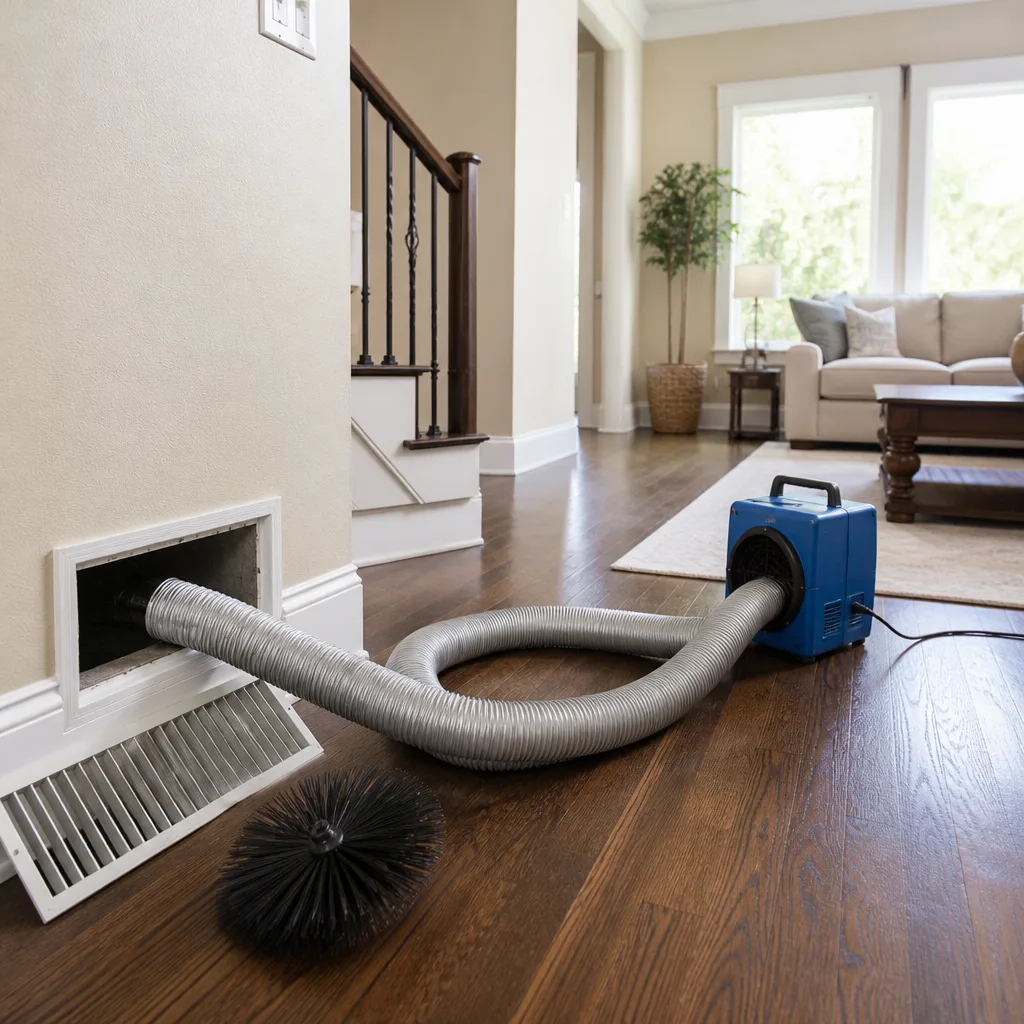 Whole-home duct cleaning
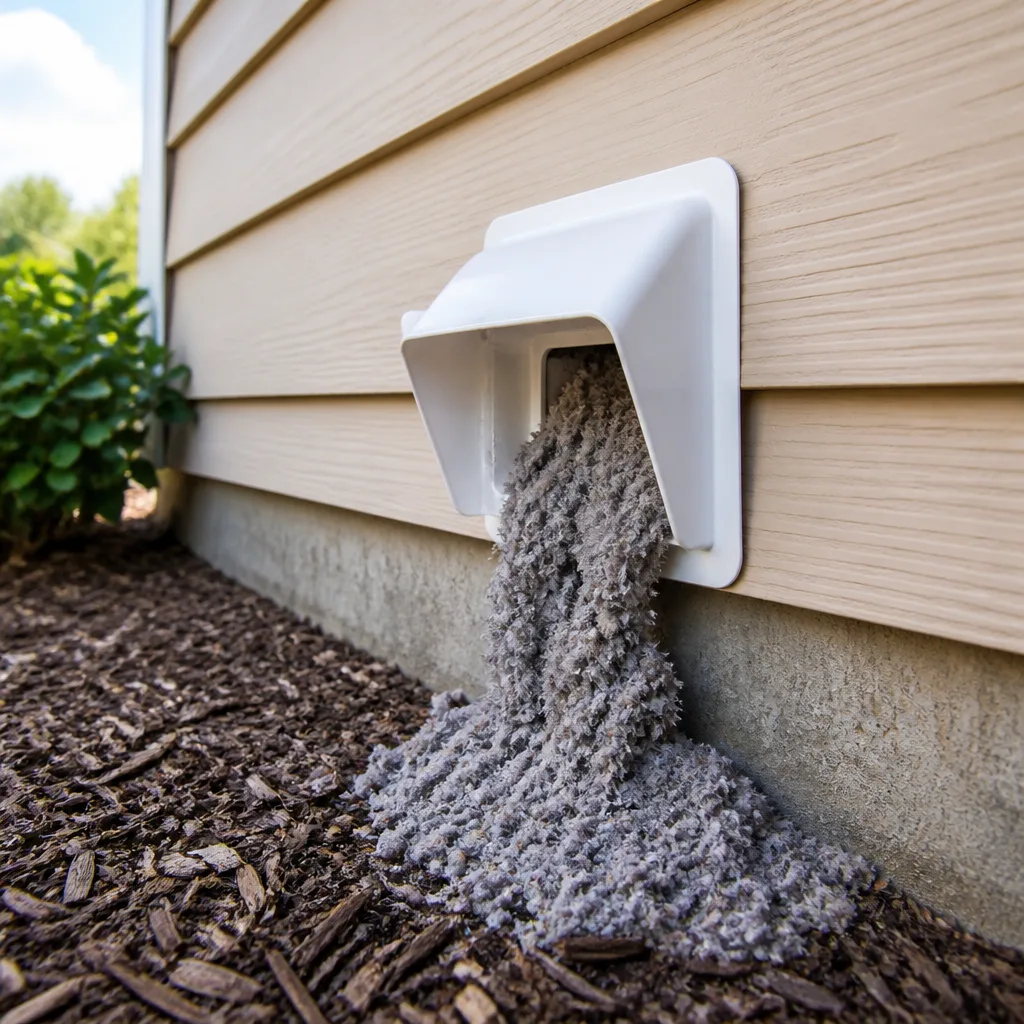 Dryer vent cleaning
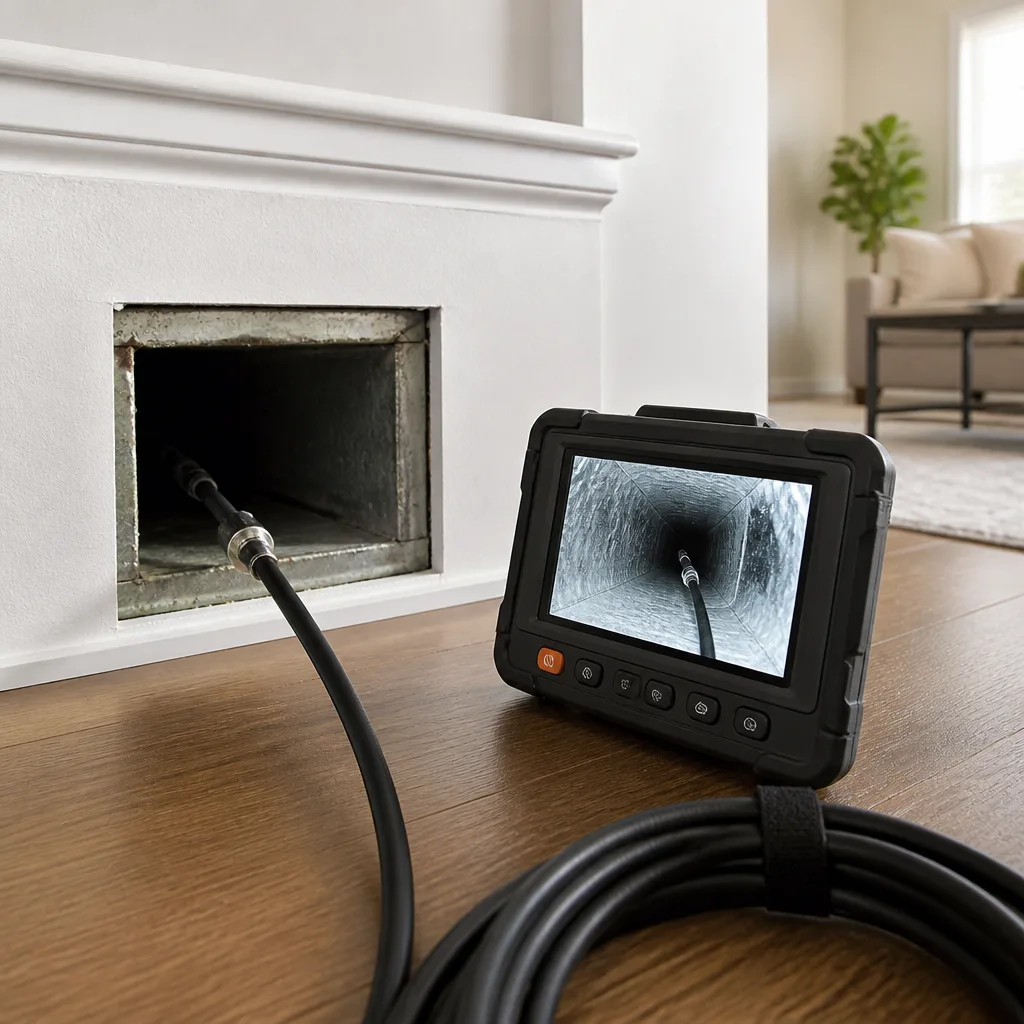 Camera inspection
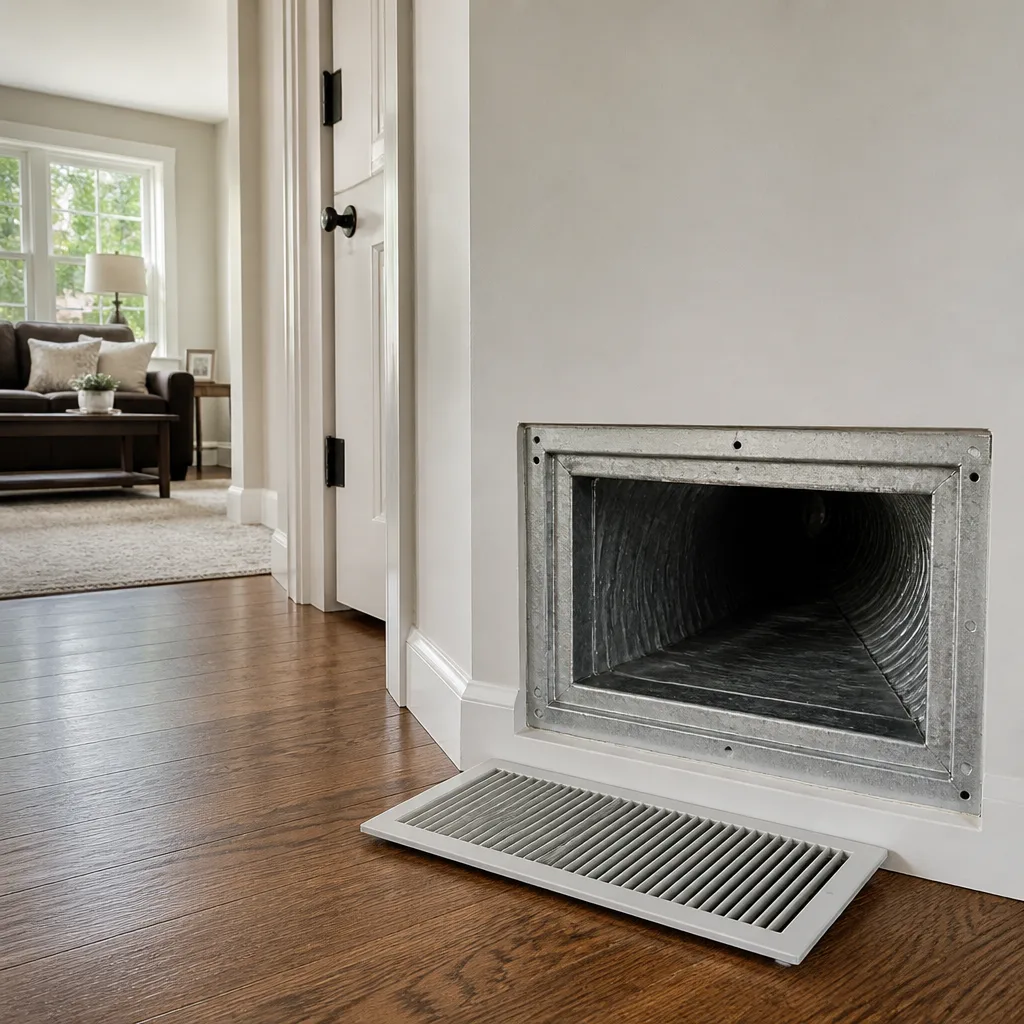 Sanitizing & deodorizing
Whole-system duct and dryer vent check with before-and-after photos - you see exactly what came out of your vents
That "$99 whole-house special" is a bait ad - the real number appears once they are in your hallway, or the "clean" is a shop-vac at the register. We photograph the inside of your ducts before and after instead.
DIY vs Professional Air Duct Cleaning: The Vallejo Homeowner’s Decision Guide
Here’s the part most DIY duct cleaning advice gets wrong: a shop vac and a dryer vent brush kit from the hardware store will clean what you can see at the register. Everything beyond the first two feet of duct, where most of the debris load actually sits, is physically unreachable without professional-grade negative pressure equipment. That’s not a sales pitch, it’s a measurement problem. This guide draws the line precisely: which tasks you can genuinely handle on your own, which ones need equipment that doesn’t exist in consumer form, and how to combine both approaches to manage cost without compromising the air your family breathes in Vallejo.
Quick Answer
The short version: DIY duct maintenance works for surface tasks like register cleaning, return grille wiping, exterior dryer vent clearing, and filter management. Professional cleaning is the only way to remove the bulk of debris from inside the duct runs, because it requires sustained negative pressure (measured in cubic feet per minute) that no consumer vacuum produces. For most Vallejo homes, the smart strategy is DIY between professional cleanings, not DIY instead of them.
Styles & brands we work with
- Whole-home duct cleaning
- Dryer vent cleaning
- Camera inspection
- Sanitizing & deodorizing
Table of Contents
- What DIY Equipment Can Actually Reach (And What It Can’t)
- Why Negative Pressure Is the Operative Requirement
- The DIY Tasks That Genuinely Help Your Duct System
- When Professional Cleaning Is Clearly Warranted in Vallejo
- How to Use DIY Strategically to Extend Cleaning Intervals
- What a Professional Air Duct Cleaning Actually Involves
- Why Repair Capability Matters More Than Most Homeowners Realize
- The Dryer Vent Exception: Where DIY Ends Sooner
What DIY Equipment Can Actually Reach (And What It Can’t)
Start with real numbers, because this is where the decision usually gets made. A standard residential supply run in a Vallejo ranch or split-level home is between six and eight inches in diameter. A register boot, the metal fitting where the duct meets the floor or wall grille, sits about twelve to eighteen inches deep from the register face. That first foot and a half is where DIY equipment works. Everything past it is where the debris accumulates.
Here’s the physical reality of a consumer vacuum setup:
- Reach: A shop vac hose with a typical wand extends roughly three to five feet into a straight run before friction and flex defeat it. Most duct runs in older Vallejo homes travel twenty-five to forty feet before the first turn.
- Airflow: A shop vac moves somewhere in the range of 100 to 200 cubic feet per minute at the nozzle, and that number collapses fast once the hose is inside a duct with any bend or buildup.
- Agitation: Debris in a duct system clings to the walls through a mix of static charge, moisture history, and simple compaction. Suction alone doesn’t release it. You need mechanical agitation (a rotating brush head) working in tandem with high-velocity airflow.
- Whips and rotary tools: Consumer-grade duct cleaning attachments exist, mostly as drill-driven brush kits. They reach further than a vacuum wand, but without simultaneous negative pressure, they knock debris loose and push it back into the living space, into the air handler, or further down the run.
That last point matters more than any other. Agitation without containment makes indoor air quality worse in the short term, not better. We’ve seen plenty of Vallejo homeowners start a DIY duct project and end up with a visible dust plume from every register. The dust settles, and the debris load inside the system hasn’t meaningfully changed.
Why Negative Pressure Is the Operative Requirement
Professional duct cleaning isn’t a bigger vacuum, it’s a different system architecture. The key concept is negative pressure: while a technician agitates debris inside the duct run, a high-capacity collection unit maintains the entire duct system under vacuum, so loosened material is drawn toward the collection point rather than into the room. In our work, that’s what the Rotobrush and Nikro systems are built to do, and it’s why they’re the equipment standard rather than improvised tools.
Here’s what that looks like in practice, in numbered form:
- Containment is established first. Registers are sealed or connected to the collection system before any agitation begins, so the living space stays isolated from the work.
- Negative pressure is sustained for the entire cleaning. The collection unit stays running continuously, pulling air through the duct system while the technician works.
- Agitation releases the debris. A rotating brush or air whip travels the length of each run, scrubbing the duct walls to knock loose compacted material.
- Debris is captured at the collection point. Because airflow runs toward the collection unit, loosened material exits the system rather than redistributing.
- The system is verified. Before-and-after photos confirm what was removed and that the runs are clear.
The CFM differential is the whole story. No consumer product creates enough sustained negative pressure across a whole residential duct system to replicate step two, and it’s the step everything else depends on. That’s why “shop vac the ducts” and “professional duct cleaning” aren’t scaled versions of the same task. They’re different operations with different outcomes.
The DIY Tasks That Genuinely Help Your Duct System
This is where the guide flips. DIY duct maintenance isn’t pointless, it’s just narrower than most people assume. Done consistently, the tasks below meaningfully reduce the load on your system and extend the interval between professional cleanings. None of them require specialized equipment, and all of them are safe for a reasonably handy homeowner.
Register and grille cleaning
Remove supply registers and return grilles, wash them in a sink with mild soap, dry them completely, and reinstall. Do this every two to three months, or monthly if you have pets or run the system heavily during summer. The visible face of every register in your home collects dust continuously. That dust enters the system every time the blower runs.
Return grille cleaning matters more
The return side pulls air back to the air handler, which means the return grille is your first line of defense. In a Vallejo home with a central return, that single grille traps a heavy share of what would otherwise reach the duct interior. Clean it more often than you clean the supply registers.
Exterior dryer vent clearing
This one’s genuinely important for fire safety, and it’s within reach of most homeowners. Remove the exterior dryer vent cover, pull out any lint mass by hand, and clear the flapper so it opens and closes freely. Check it every few months, and after any load that takes noticeably longer to dry than usual. Interior dryer vent runs beyond the first accessible section need professional equipment, and a clogged interior run is a real fire risk in any Vallejo home where the dryer is set back from the exterior wall.
Filter management
Replace your air handler filter on schedule, typically every one to three months depending on the filter’s rated life and your home’s dust load. Upgrade to a filter with a decent MERV rating (Honeywell and Aprilaire both make filter housings and media that fit standard residential systems, and a properly matched filter catches more at the source). This single habit does more for duct system health than any other DIY task on this list.
When Professional Cleaning Is Clearly Warranted in Vallejo
Some situations make the DIY vs. professional question moot. If any of the following apply, schedule professional air duct cleaning and stop negotiating with yourself about whether it’s necessary.
- Post-renovation: Drywall dust and construction debris are exceptionally fine and settle deep into duct runs. A renovation that involved sanding, drywall work, or floor refinishing loads the system, and no DIY method clears it.
- Post-rodent activity: Rodent intrusion into duct work leaves contamination that surface cleaning can’t address, and it usually comes with damage to duct seams or insulation. Professional cleaning with appropriate PPE and containment is the correct response. Rodent activity in Vallejo homes tends to peak when the weather shifts and animals look for shelter. The bay-influenced climate keeps things mild, so the pressure is more seasonal than extreme.
- Visible mold inside the duct system: If you can see growth when you look into a register with a flashlight, the system needs professional assessment. We handle duct cleaning, not mold remediation, but a professional cleaning removes the conditions mold needs to persist. If the growth is extensive, we’ll tell you plainly that a remediation specialist should be involved.
- No professional cleaning in five-plus years: This is the most common case in Vallejo. A house that has run on filters and register wiping alone for a decade has a debris load no consumer tool reaches.
- Persistent dust or allergy symptoms that don’t resolve: If you clean diligently and indoor dust stays high, the source is likely inside the system.
- Recent purchase of an older home: You don’t know the maintenance history, and a baseline cleaning is the reasonable starting point.
Vallejo has plenty of homes built in the mid-twentieth century, and many of them still run on original sheet metal duct work with decades of accumulated debris. Those systems respond well to professional cleaning and often reveal seam issues along the way.
How to Use DIY Strategically to Extend Cleaning Intervals
The most useful way to think about this isn’t DIY or professional, it’s DIY between professional cleanings. The goal is to slow debris accumulation so the system stays in reasonable condition longer. A realistic schedule:
- Monthly: Replace or check the filter. Clean supply registers and return grilles if the home has pets or high occupant load.
- Every two to three months: Inspect and clear the exterior dryer vent. Check for lint buildup around the flapper and inside the exterior duct stub.
- Every six months: Wash all registers and grilles thoroughly. Vacuum the accessible interior surface of each register boot with a brush attachment (the first few inches only). Look for any signs of moisture, rust, or debris that shouldn’t be there.
- Annually: Do a flashlight inspection of each register boot. If debris is visible beyond the boot, that’s your signal to schedule professional cleaning.
- Every three to five years: Schedule a professional cleaning, more frequently if the home has pets, runs the system heavily, or sits near a dusty environment.
This approach makes the cost of professional cleaning a planned expense rather than an emergency repair. A system you clean on schedule costs less to maintain over the years than one you ignore until something goes wrong.
What a Professional Air Duct Cleaning Actually Involves
Understanding what you’re paying for is the best way to evaluate a quote. A proper whole-system cleaning involves the following. If a company can’t describe their process in these terms, that’s your signal to keep looking.
- Whole-system, not per-vent pricing: The work should be scoped to the full system, with one flat price agreed before work starts. Per-vent pricing rewards a company for counting registers, not for doing a complete job.
- Collection equipment: Professional units like Rotobrush and Nikro systems are designed to sustain negative pressure across a residential duct system. Ask what equipment a company uses, and listen for whether the answer mentions real equipment or sounds like a shop vac with a longer hose.
- Agitation tools: Rotating brush heads and air whips, sized for the duct diameter.
- Protection of the living space: Drop cloths, register sealing, and reasonable containment of dust during work. Guardsman-grade protective practices are part of what separates a professional operation from a rushed one.
- Before-and-after photos: You should see what came out and what the runs look like when the work is done. A company that can’t show you is a company you should question.
- Inspection findings: Any compromised duct work found during cleaning should be documented and priced separately as repair, not silently billed into the cleaning.
For Vallejo homeowners, the practical questions to ask before hiring are: what equipment, what’s the price for the whole system, and will I see before-and-after photos. A company that answers all three clearly is worth considering. A company that dodges any of them isn’t.
Why Repair Capability Matters More Than Most Homeowners Realize
Cleaning often reveals repair needs. Twenty or forty years of airflow through a residential duct system can loosen seams, separate flex duct sections, collapse insulation, and pull connections apart at the air handler. A generalist cleaning company finds this and tells you to call an HVAC contractor. That second call, second dispatch, and second schedule gap is exactly the friction a specialist with repair capability eliminates.
We handle duct repair alongside cleaning for that reason. When we find compromised duct work on a Vallejo home, we can scope the repair and quote it as part of the same engagement. The tradeoff is simple: “cleaned and cleared in one visit” beats “cleaned today, second call scheduled for next week.”
Repair matters for air quality as much as it does for airflow. A duct run that’s pulling in attic air or crawlspace air through a failed seam is delivering that air to your living space. Cleaning alone won’t fix it. Sealing the seam first, then cleaning, is the correct order.
The Dryer Vent Exception: Where DIY Ends Sooner
Dryer vent cleaning is a separate service from duct cleaning, and the DIY boundary is tighter. Lint is flammable, and it accumulates continuously. The exterior stub is within reach, but the full vent run (often fifteen to twenty-five feet, with elbows) is not, and a partially cleared vent line is a fire risk that gives a false sense of safety.
A dryer vent that still feels restricted after exterior clearing needs professional service. If a load of laundry takes more than one cycle to dry, or the exterior flapper doesn’t open fully during operation, that’s a signal the interior run is loaded. dryer vent cleaning with professional equipment (brushes sized to the vent run, plus high-volume airflow) clears what a hand tool can’t reach, and doing it on a reasonable schedule is the cheapest fire-safety measure available to a homeowner.
We treat dryer vent work as a dedicated service rather than an add-on. Lint in a vent is genuinely different from debris in a supply duct, and it deserves its own tooling and its own attention.
Common Mistakes to Avoid
- Pushing a shop vac wand deep into a duct run without containment. This loosens debris and pushes it further in, potentially onto the air handler. Do the first few inches or call a professional.
- Using a leaf blower or shop vac to “clear” a dryer vent line. This loosens lint and can deposit it mid-run, creating a concentrated fire load. A vent that feels restricted after exterior clearing needs real equipment.
- Agitation alone, no negative pressure. A drill brush without a running collection system redistributes dust into the living space. If you’re going to DIY beyond the register, contain.
- Ignoring return grilles. Homeowners clean the visible supply registers and skip the returns, which catch more debris. The return side is where your filter does its work.
- Buying a low-cost “duct cleaning” quote without confirming scope. A per-vent teaser price often becomes a much larger invoice once the technician is on site. Ask for a whole-system price in writing, agreed before work starts.
- Skipping repair recommendations after cleaning. A cleaned system with a failed seam is still delivering attic or crawlspace air. If repair is recommended, prioritize it.
- Assuming a five-year cleaning interval is universal. Homes with pets, high occupant load, or recent renovation need more frequent service. Read your own system, not a generic calendar.
See the difference
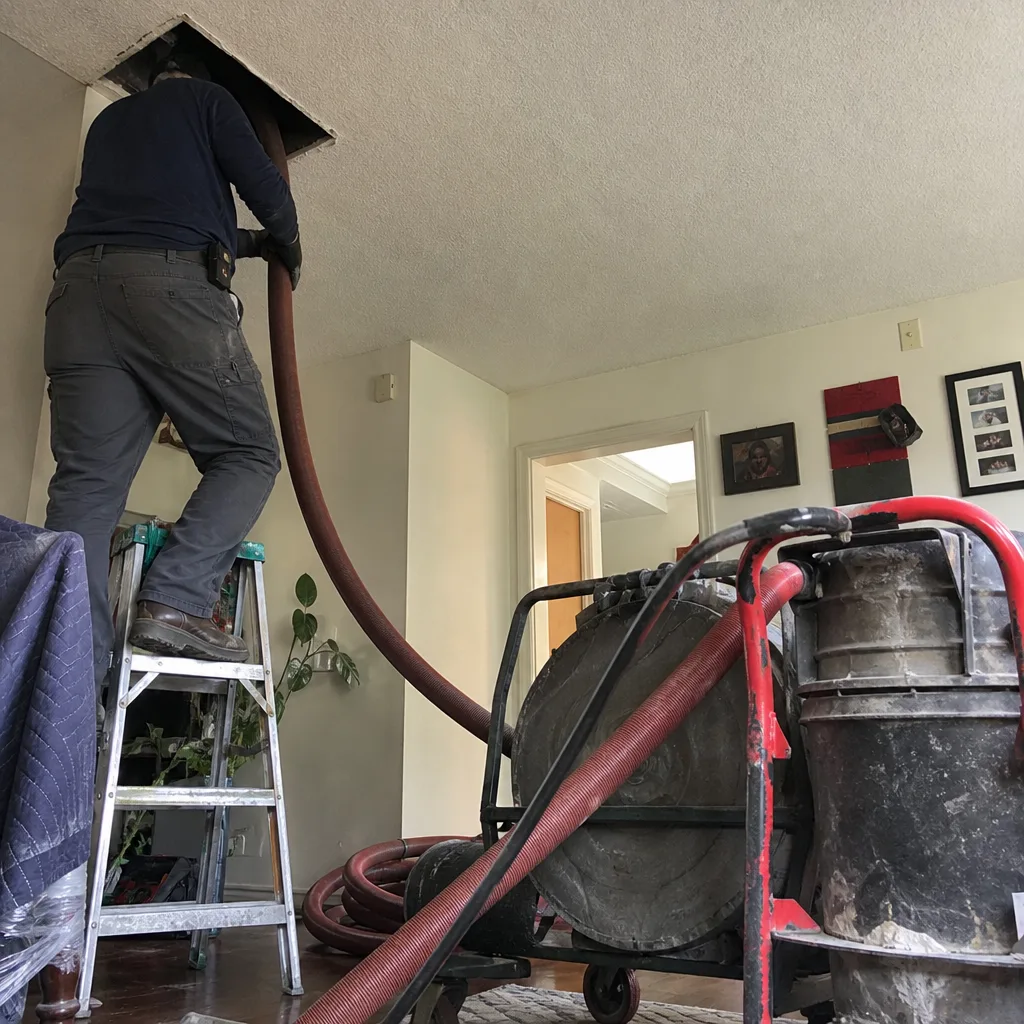 Before
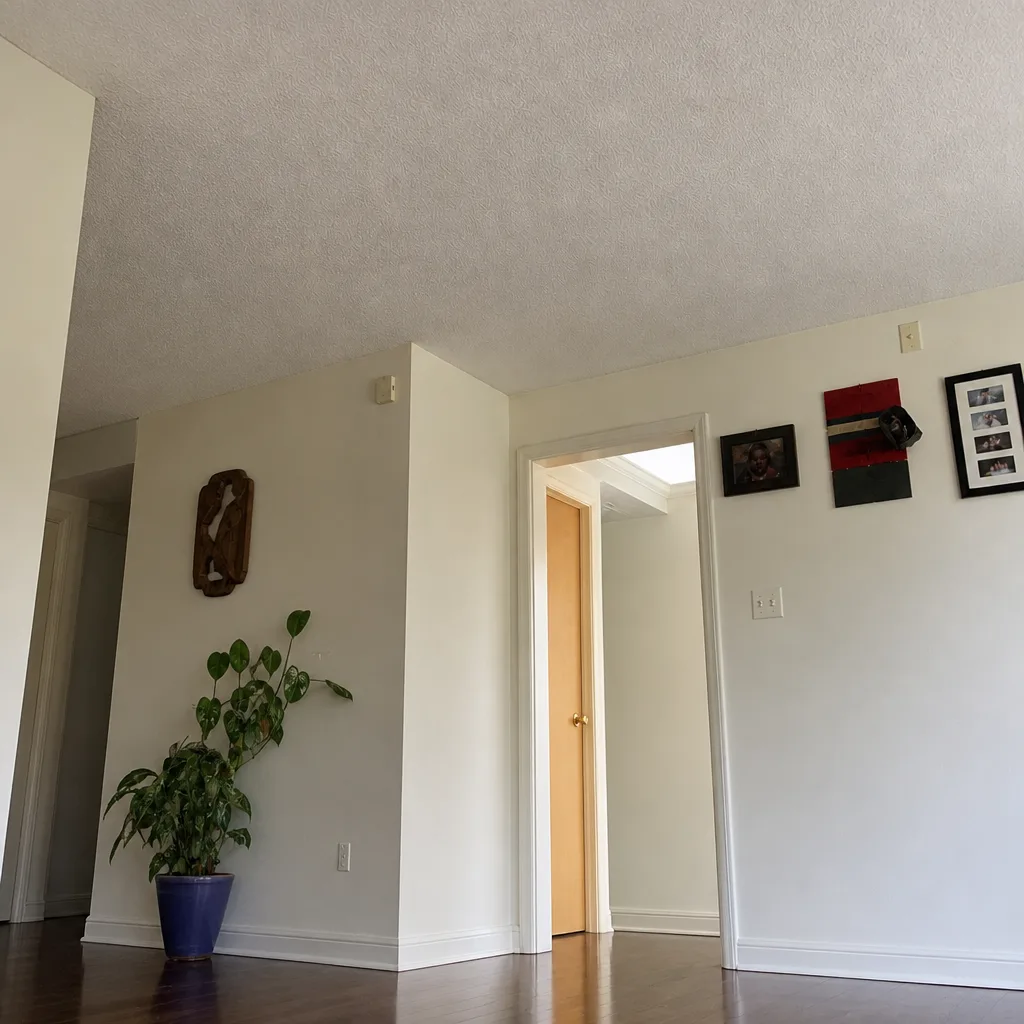 After
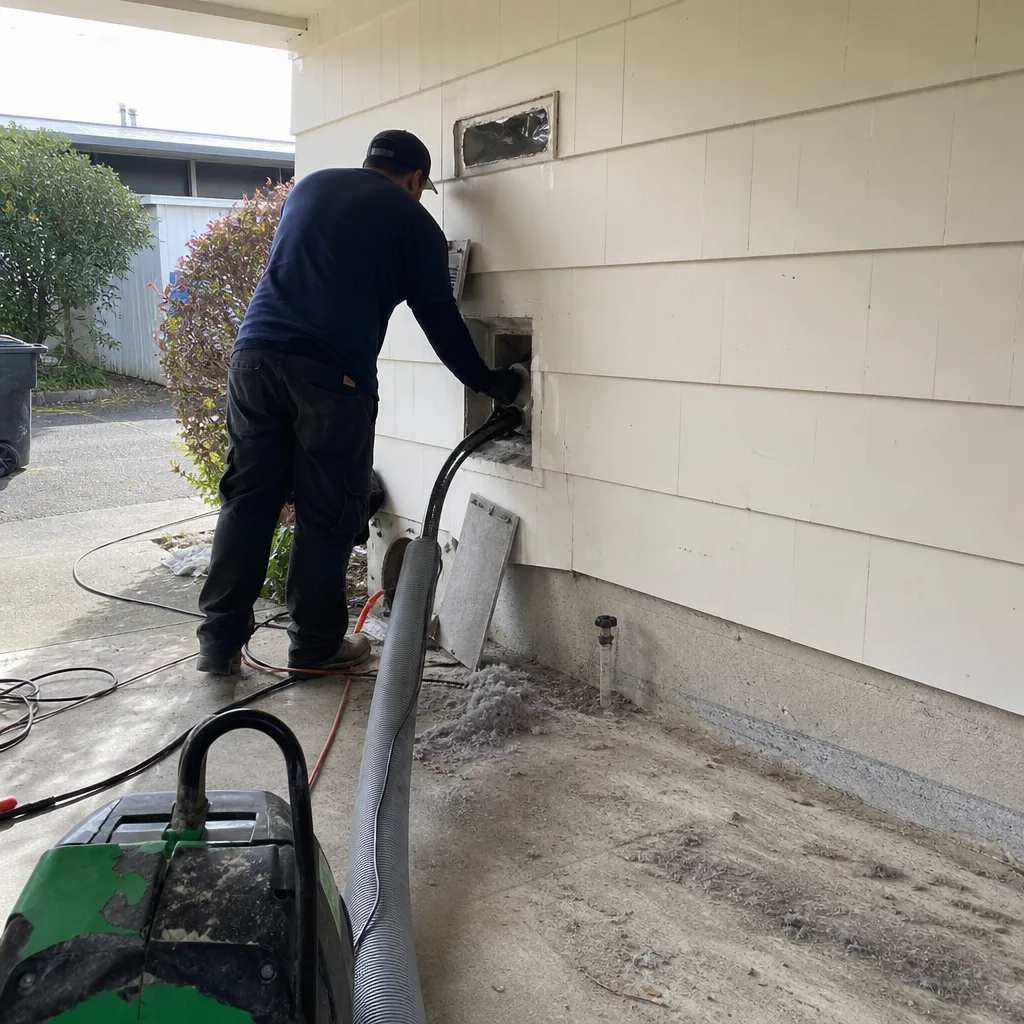 Before
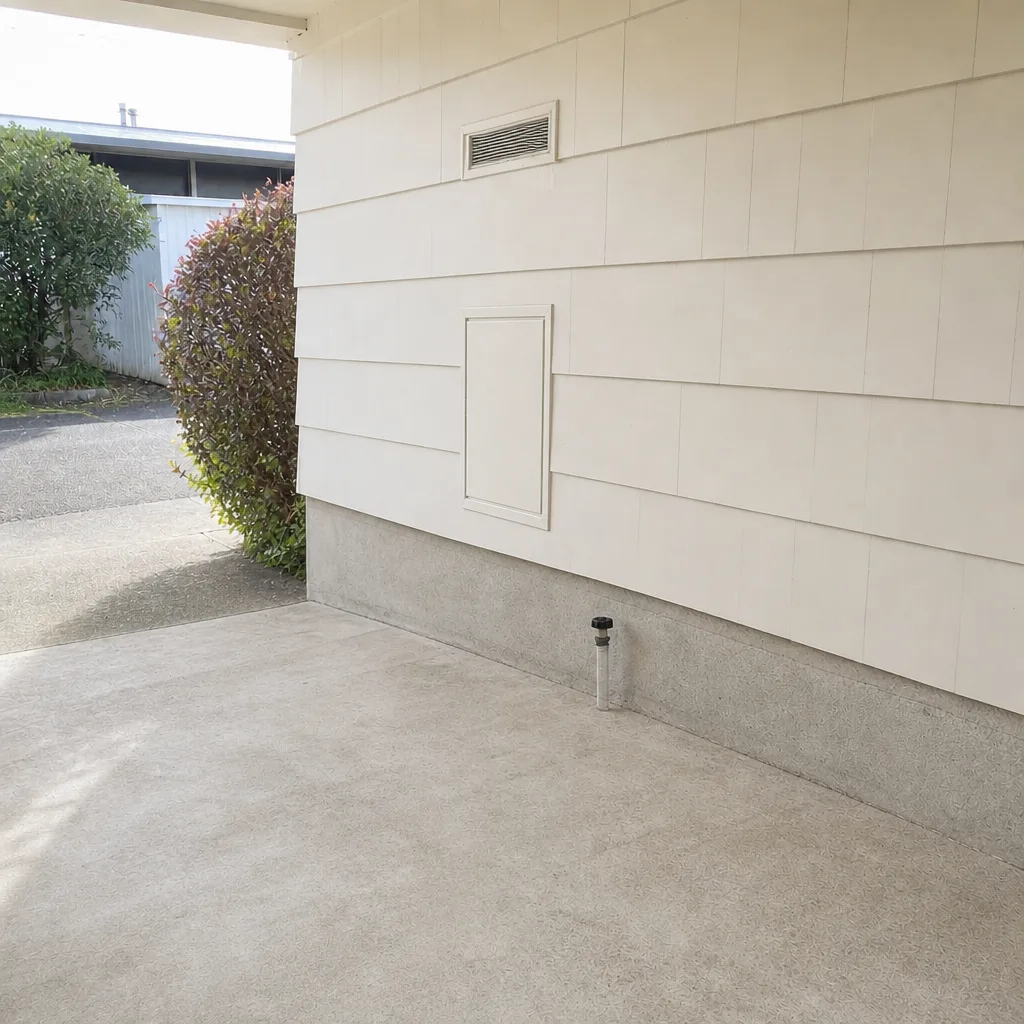 After
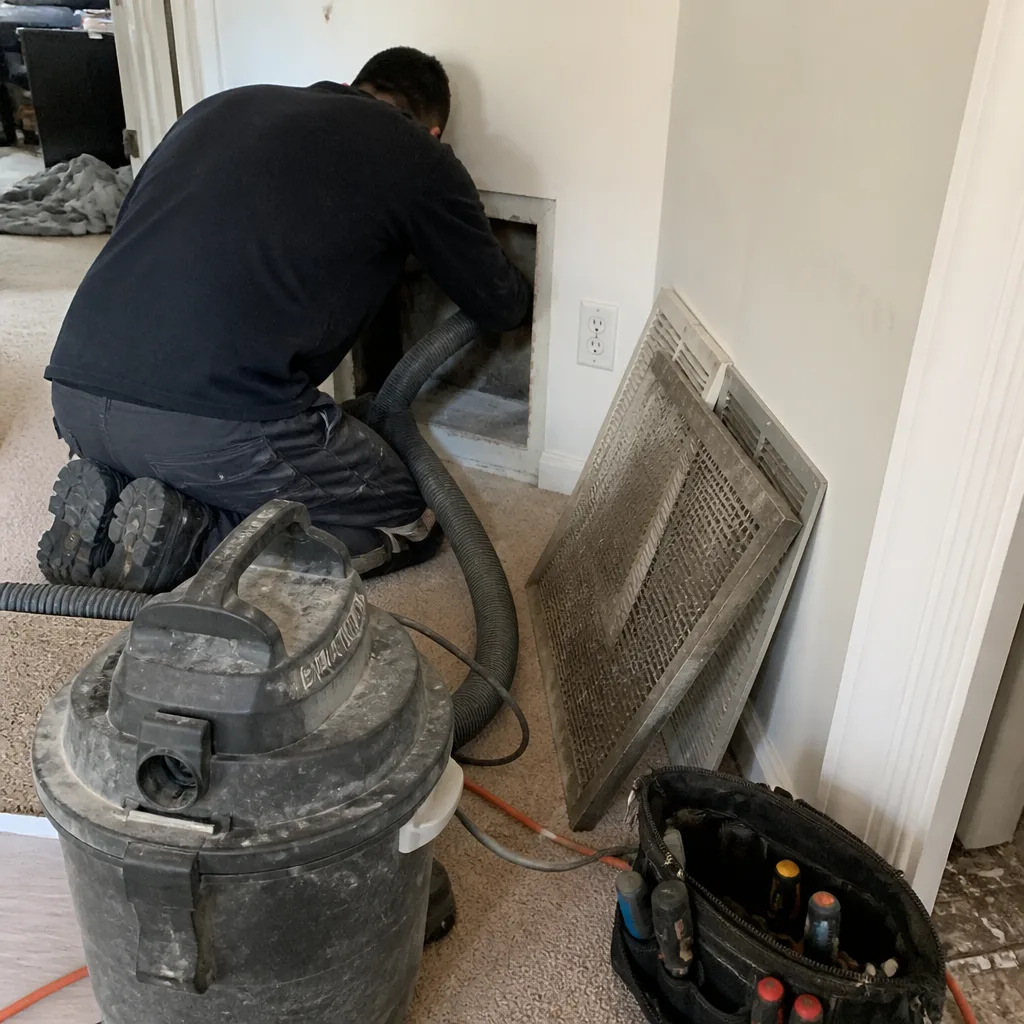 Before
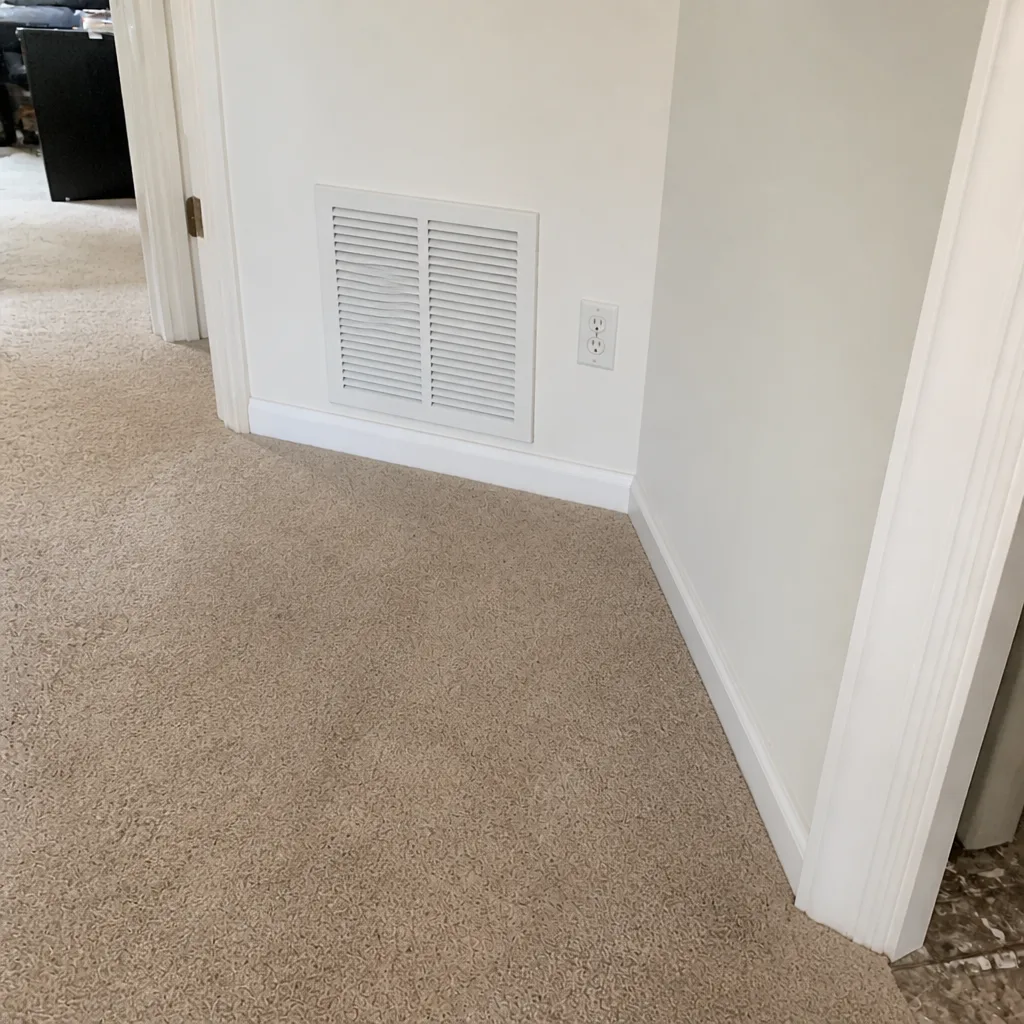 After
When to Call a Professional
Call a professional when the task is beyond the reach of your tools, or when a safe answer requires equipment you don’t have. Specific scenarios: any visible mold inside the duct system, rodent activity in or around ducts, recent renovation with drywall dust, no professional cleaning in five-plus years, a dryer vent that still feels restricted after exterior clearing, persistent indoor dust that register cleaning doesn’t resolve, or a quote you’ve received for “duct cleaning” that doesn’t mention whole-system pricing and before-and-after photos. Duct Cleaning Vallejo offers free estimates in Vallejo. Call (844) 859-6986. We answer 24/7. Fast dispatch from 7am to 7pm, Sunday through Friday. Our technicians have up to 11 years of experience, they work with Rotobrush and Nikro equipment, and they’ll tell you honestly whether your system needs cleaning now or can wait.
Frequently Asked Questions
You can handle the surface tasks: register and return grille cleaning, exterior dryer vent clearing, and filter replacement. You cannot effectively clean the interior of a residential duct run without professional negative pressure equipment, because no consumer vacuum sustains enough CFM across the whole system to capture debris as it’s agitated. DIY is maintenance, not cleaning.
Most Vallejo homes need professional cleaning every three to five years. Homes with pets, high occupant load, or recent renovation should shorten that to every two to three years. Homes with no cleaning history at all need a baseline cleaning now, then can settle into the normal interval.
Typical pricing runs on a whole-system basis, not per vent. Quote ranges vary by duct run count and accessibility. A legitimate estimate is written, covers the full system, and is agreed before work starts. Avoid quotes built around low teaser pricing: a per-vent teaser often becomes a much larger invoice on site. Call (844) 859-6986 for an exact quote. Estimates are free.
Cheap quotes usually involve smaller equipment, per-vent pricing that doesn’t reflect a complete system cleaning, or a scope that skips agitation and verification. The measurable difference is whether the company brings sustained negative pressure equipment (Rotobrush, Nikro, or equivalent), agitates the full run, and shows before-and-after photos. Ask those three questions of any quote.
Before-and-after photos are the standard. A professional should show you what came out of the system and what the runs look like when the work is finished. If a company can’t or won’t provide photos, that’s a legitimate reason to keep looking. Ask before you book.
No. Dryer vents need a different tooling setup and should be treated as a dedicated service. Lint is flammable, so partial clearing is worse than it sounds: a flapper that opens after partial clearing can look fine while a lint mass sits further down the run. Clear the exterior, and if the vent still feels restricted, schedule professional cleaning.
Yes, and that’s one of the reasons to work with a specialist. Duct repair is a separate service, priced separately by written estimate after we inspect what’s compromised. Finding a seam failure during cleaning and having it quoted in the same visit eliminates the second call. Look at the main Duct Cleaning Vallejo page for the full scope of what we handle.
The Bottom Line
The DIY vs. professional question has a real answer: DIY duct maintenance works for the tasks within reach of a shop vac and a sink, and no consumer tool substitutes for sustained negative pressure inside the duct runs. Use DIY strategically: registers and grilles monthly, exterior dryer vent every few months, filter on schedule. Then schedule professional cleaning every three to five years, or sooner if renovation, rodents, mold, or a long-unserviced system puts you in a situation where cleaning is genuinely warranted. The combination protects your air, extends the system’s life, and makes the cost predictable. If any part of this guide raised a question about your own ducts, call Duct Cleaning Vallejo at (844) 859-6986 for a free estimate. We answer 24/7. Fast dispatch from 7am to 7pm, Sunday through Friday.
Written by the team at Duct Cleaning Vallejo.